








From Necessity to Choice
What began as a necessity during pandemic lockdowns has blossomed into a conscious lifestyle choice. People discovered that their living rooms, local parks, and even their own body weight could be powerful tools for staying fit. The initial forced experiment
proved a point: effective fitness isn't confined to four walls. This realisation has stuck. Many found they preferred the privacy, flexibility, and cost-effectiveness of working out on their own terms. The trend isn't about being anti-exercise; it's about being pro-personalisation, freeing fitness from a single location and a single subscription model.
The Economics of Sweat
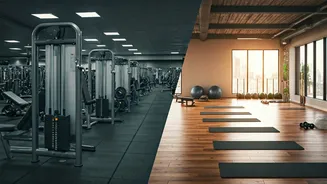
Let’s be honest: gym memberships can be expensive. In major Indian cities, a premium gym can cost thousands of rupees per month, not including joining fees or personal training. For many young professionals and families, this is a significant recurring expense. When you factor in the commute, the time spent waiting for equipment, and the memberships that go unused due to busy schedules, the value proposition starts to weaken. The 'no gym' lifestyle is, in part, a pragmatic financial decision. People are redirecting that money towards one-time purchases like yoga mats and resistance bands, or investing in digital fitness apps that offer variety for a fraction of the cost.
Breaking Free from 'Gymtimidation'
Beyond the cost, there's a powerful psychological driver: the end of 'gymtimidation'. That feeling of being watched, judged, or feeling out of place in a room full of super-fit people is real. The gym environment can be intimidating for beginners or those with body image concerns. The home, in contrast, is a judgment-free zone. You can wear what you want, stumble through a new yoga pose, take a break whenever you need, and grunt as loudly as you like. This freedom allows individuals to build a more positive and sustainable relationship with exercise, focusing on how it makes them feel rather than how they look to others.
The Rise of the Digital Trainer
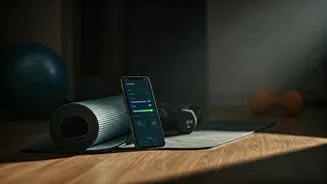
The no-gym trend is powered by technology. A universe of fitness exists in our pockets. YouTube channels offer endless free workouts, from high-intensity interval training (HIIT) to calming yoga flows. Subscription-based apps provide structured programmes, live classes, and progress tracking, essentially offering a personal trainer on demand. Wearable technology like smartwatches and fitness trackers gamifies movement, encouraging users to take the stairs, go for a walk, and hit their daily step count. This digital ecosystem has made high-quality fitness instruction more accessible and affordable than ever before.
Redefining the Workout
The most exciting part of this trend is the redefinition of what 'exercise' even means. It’s no longer just about structured, hour-long sessions. It's about integrating movement into your daily life. This could be a brisk walk to the market instead of taking an auto, playing a sport with friends in a local park, taking the stairs at the office, or even rediscovering traditional practices like Surya Namaskar at sunrise. This approach, often called 'intuitive movement', focuses on listening to your body and finding joy in being active, shifting the goal from 'burning calories' to 'feeling good'.