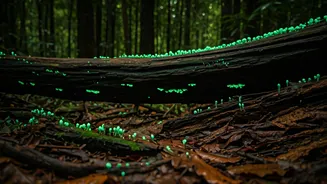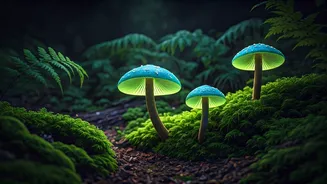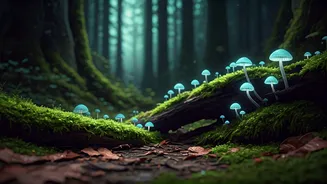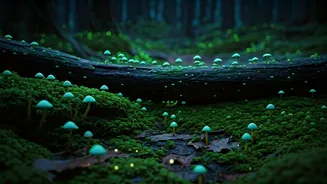



The Science Behind the Glow
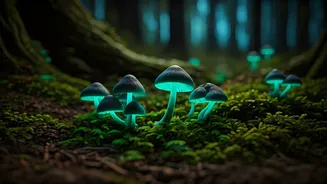
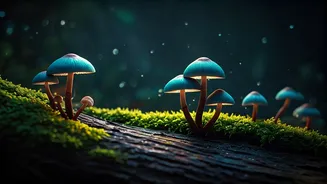
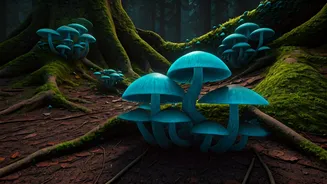
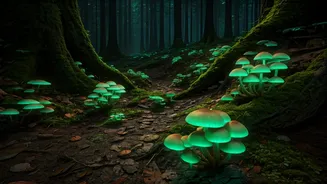
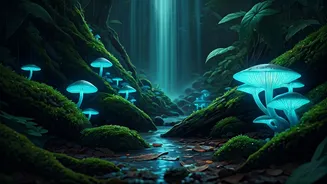
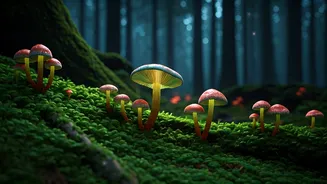
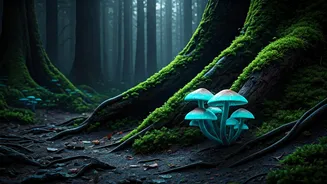
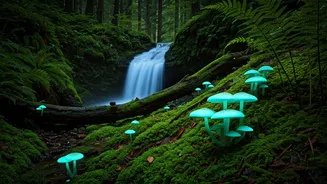
This otherworldly spectacle is caused by a chemical reaction inside certain species of fungi, most commonly from the *Mycena* genus. The process, known as bioluminescence, is the same one that makes fireflies light up. A compound called luciferin reacts
with oxygen, catalyzed by an enzyme called luciferase, to produce a faint but steady green or blue-green light. But why do they glow? Scientists believe the light serves a clever purpose: it attracts nocturnal insects. These creatures crawl over the mushrooms and inadvertently pick up spores, which they then carry off to new locations, helping the fungi to propagate and spread throughout the forest. The glow is strongest on damp, decaying wood, which is why this phenomenon is so closely tied to the rainy season.
Where to Witness This Magic
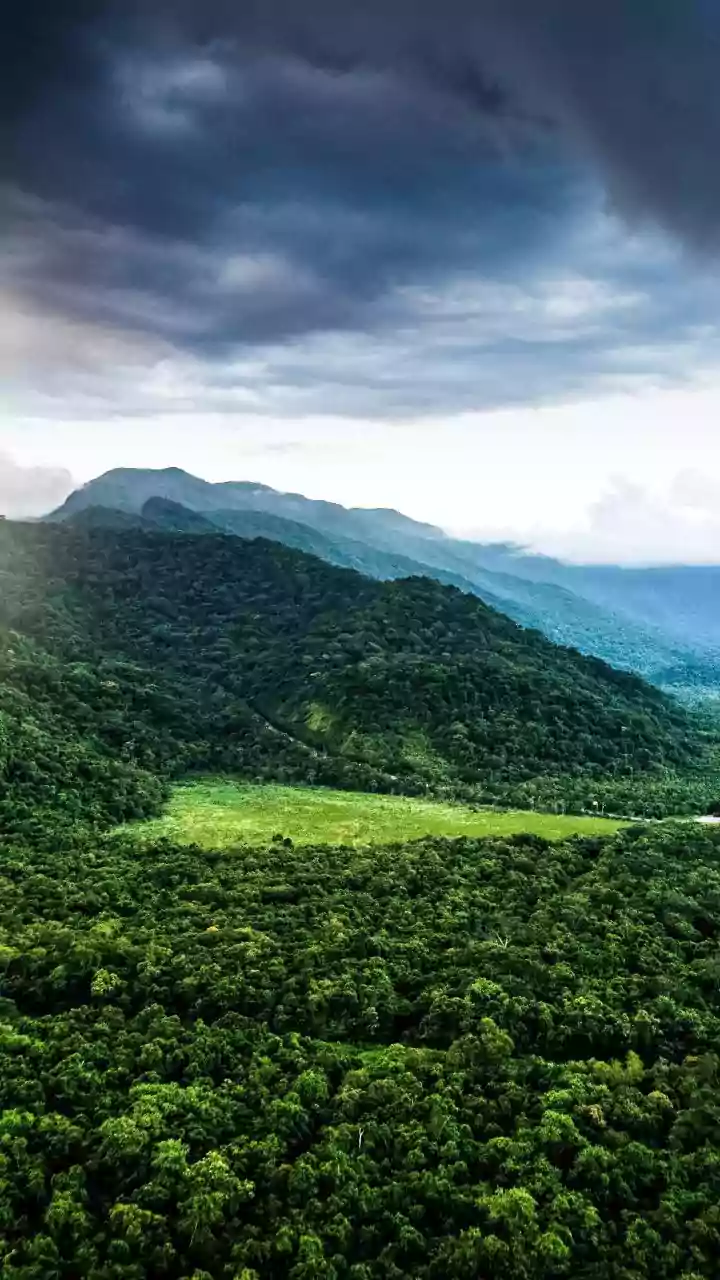
India’s Western Ghats are the prime hotspot for spotting these glowing forests. The phenomenon has been well-documented in the lush, dense jungles of Maharashtra and Goa, as well as parts of Karnataka. In Maharashtra, the Bhimashankar Wildlife Sanctuary is a popular destination for night treks specifically organised to see the glowing fungi. The forests around this area come alive with these natural lanterns during the monsoon. Similarly, Goa’s Mhadei Wildlife Sanctuary, particularly within the Chorla Ghat region, offers some of the most spectacular displays. The moisture-rich environment here is ideal for the *Mycena* to thrive. Beyond the Western Ghats, the forests of Meghalaya in Northeast India have also been identified as a location where these glowing mushrooms can be found, adding to the region's rich and unique biodiversity.
The Best Time to Go
Timing is everything. The bioluminescent fungi are visible almost exclusively during the peak monsoon months, typically from June to early October. The constant rain, high humidity, and abundance of wet, decaying logs and leaves create the perfect breeding ground for them to flourish. The darker the night, the better the view, so plan your trip around the new moon phase if possible, when ambient light from the moon is at a minimum. A night with a steady drizzle is often considered ideal, as the moisture enhances the glow and adds to the mystical atmosphere of the forest. Venturing out on a dry night during another season will almost certainly lead to disappointment.
What to Expect on a Night Trek
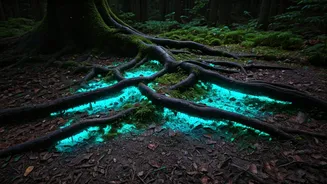
A guided night trek is the best and safest way to experience this phenomenon. These treks are usually led by local experts or naturalists who know exactly where to find the glowing patches. The experience is deeply immersive. You’ll walk in near-total darkness, with the sounds of the nocturnal forest—chirping insects, croaking frogs, and rustling leaves—as your soundtrack. Your guide will likely ask you to switch off your torches to allow your eyes to adjust. After a few minutes, you’ll start to see it: faint specks of light on fallen logs and branches, which slowly resolve into intricate networks of glowing fungi. It’s a quiet, meditative experience that connects you directly with the subtle magic of the natural world.
Essential Tips for Your Trip
To make the most of your trek while staying safe and respecting the environment, keep a few things in mind. First, wear sturdy, waterproof trekking shoes with good grip, as the forest floor will be slippery and muddy. Carry a lightweight raincoat and insect repellent. While you’ll need a torch or headlamp for navigating difficult patches, use it sparingly to preserve your night vision and not disturb the wildlife. Most importantly, never touch or attempt to eat the fungi; many bioluminescent species are toxic. Always go with a registered guide or a reputable trekking group. They ensure your safety and can provide valuable insights into the local ecosystem without causing any disturbance.