





More Than a Lunar Lap
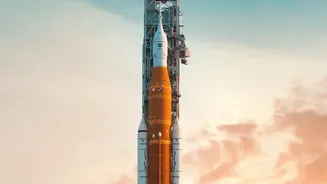
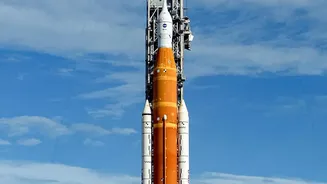
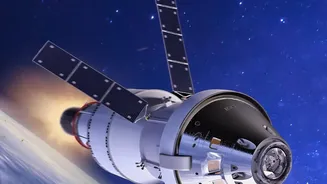
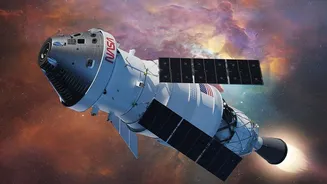
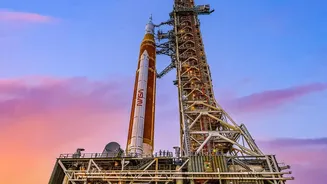
The 10-day Artemis II mission was far more than a nostalgic trip around the Moon; it was a rigorous shakedown of the advanced technologies needed to sustain human life in deep space. Its primary purpose was to test the Orion spacecraft with a crew on board,
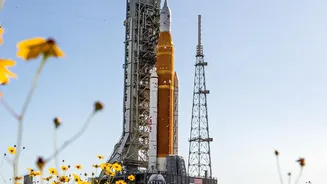
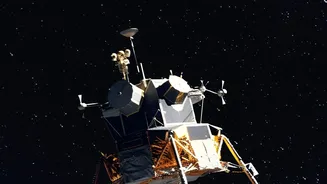
pushing its life support, navigation, and power systems to their limits. The successful flight confirmed that the hardware is ready to support more ambitious goals, including the upcoming Artemis III landing and eventual missions to Mars. Now, the focus shifts from engineering to discovery, as teams on the ground pore over hundreds of gigabytes of information collected by the four-person crew and the spacecraft's sophisticated sensors.
Keeping Humans Healthy in Deep Space
A major focus of the science is understanding the toll deep space takes on the human body. Unlike astronauts on the International Space Station, the Artemis II crew traveled beyond Earth's protective magnetic field, exposing them to higher levels of cosmic radiation. To study this, the mission carried several experiments. The AVATAR project, for example, used 'organ-on-a-chip' technology containing bone marrow cells from the astronauts to study the cellular response to radiation in real time. The crew also wore sensors to monitor sleep patterns and stress levels, and they collected biological samples like saliva and blood to track changes to their immune systems. This data is crucial for designing better protection and medical protocols for long-duration missions.
A New View of the Moon and Earth
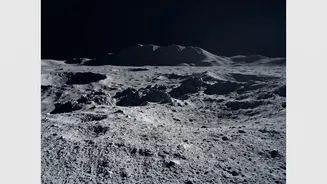
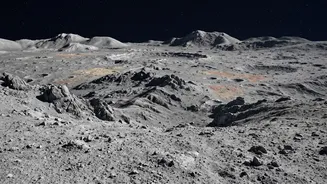
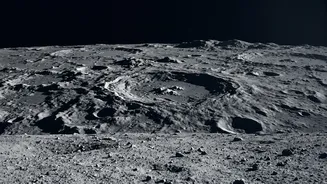
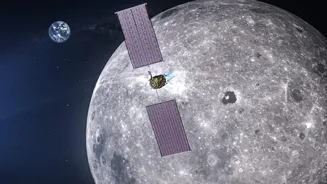
Artemis II provided a unique vantage point for observing both our home planet and its natural satellite. The crew, trained in geology, were tasked with documenting lunar features with high-resolution handheld cameras. Their observations of impact craters, ancient lava flows, and colour variations on the lunar surface provide valuable 'ground truth' that complements data from robotic probes. These human insights are critical for identifying scientifically interesting and safe landing sites for future missions. Simultaneously, the mission captured stunning imagery of Earth, including views of the faint green auroras and a razor-thin slice of the atmosphere, providing new data points for climate and atmospheric science.
The Data Deluge and What Comes Next
The science didn't stop when the Orion capsule splashed down. In early October 2026, NASA released the first major batch of data to the global science community, including over 11,000 images, hours of crew audio recordings, and environmental data from inside the capsule. This 'open science' approach allows researchers from various fields to contribute to the interpretation. Specialized teams are now analyzing everything from the performance of Orion's life support systems, which successfully maintained a comfortable habitat, to the radiation measurements that will help engineers design better shielding for future spacecraft. The insights gained will directly influence the hardware, flight plans, and scientific objectives of Artemis III and beyond.