





Shop Smart for the Season
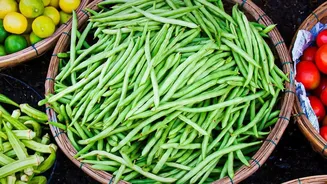
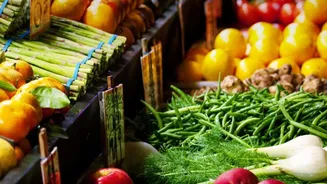
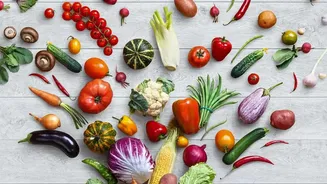
Your monsoon meal prep success begins at the market. During this season, it’s wise to buy produce in smaller quantities to avoid spoilage due to high moisture levels. Opt for seasonal vegetables that are less prone to rot, such as gourds (bottle gourd,
bitter gourd), pumpkin, and root vegetables like sweet potatoes and yams. Be extra cautious with leafy greens; if you buy them, ensure they are fresh and free from wilting or brown spots. Wash all vegetables thoroughly under running water as soon as you get home. For leafy greens, a soak in salt water or a mild vinegar solution can help eliminate germs that thrive in the damp conditions.
Prioritise Kitchen and Personal Hygiene
The humid monsoon environment is a breeding ground for bacteria and fungi. This makes kitchen hygiene non-negotiable. Before you begin prepping, wash your hands thoroughly with soap and water. Sanitize all your kitchen surfaces, chopping boards, and knives, preferably with hot water. To prevent cross-contamination, use separate cutting boards for raw meats and vegetables. This simple step is crucial in preventing foodborne illnesses like diarrhoea and dysentery, which are more common during this season. Ensure all utensils are washed properly and completely dry before you store them away.
Batch Cook Grains and Gravy Bases
A huge time-saver in any meal prep routine is batch cooking, and it's perfectly suited for the monsoon. Cook a large batch of staple grains like rice or millets and store them in the refrigerator. To save even more time during the week, prepare your fundamental cooking bases. You can make a large quantity of onion-tomato masala or ginger-garlic paste. Portion these bases into smaller containers and refrigerate or freeze them. This allows you to whip up a variety of curries and sabzis in minutes, simply by adding your pre-chopped vegetables or protein. This reduces daily cooking time significantly.
Embrace Smart and Safe Storage
Proper storage is the key to making your prepped ingredients last. Due to high humidity, moisture is the enemy. Store all dry ingredients like pulses and spices in airtight containers to protect them from fungal growth. For chopped vegetables, use airtight containers and store them in the refrigerator to maintain freshness. Don't leave cooked food out at room temperature for more than a couple of hours. Refrigerate leftovers as soon as they cool down to prevent microbial growth. When organizing your fridge, keep raw meat and eggs separate from other foods to avoid contamination. A clean, organised fridge is essential for food safety during the monsoon.
Focus on Freshly Cooked Meals
While prep is about planning ahead, the goal during the monsoon should be to consume freshly cooked, hot food whenever possible. High heat helps kill harmful bacteria that may have survived the washing process. Instead of cooking large meals to last for days, your prep work should enable you to cook smaller, fresh portions quickly. For instance, having chopped vegetables and a ready masala base allows you to make a fresh sabzi in under 15 minutes. Avoid consuming raw foods like salads unless you are certain of their hygiene; steaming them lightly is a safer alternative during this season. Always reheat leftovers thoroughly, bringing gravies and soups to a boil before eating.