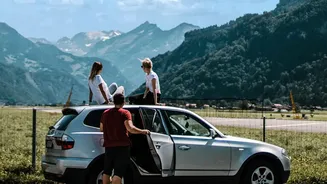








Remember saving up all year for that one big annual holiday? For Gen Z, that concept is becoming a relic. A new travel rhythm is emerging, favouring a string of shorter, spontaneous breaks over a single, long-planned vacation.
The Rise of the Micro-Cation
The travel landscape in India
is being reshaped by its youngest generation of adults. Instead of the traditional two-week family trip, Gen Z is championing the 'micro-cation'—a short leisure trip of about two to four days, often taken over a long weekend. According to a 2026 Airbnb report on Indian Gen Z travellers, a staggering 70% prefer taking three short trips over one long annual holiday. The same report found that 87% favour trips that last under a week, making weekend getaways and three-to-five-day breaks the new standard. This isn't just about taking more trips; it's a fundamental shift in viewing travel not as a rare event, but as a regular, integrated part of life. Travel is becoming a habit rather than a once-a-year splurge.
Flexibility, Finance, and FOMO
Several factors are driving this trend. Financially, spreading the cost of travel across several smaller trips is more manageable than saving for one expensive holiday. It allows for more frequent doses of pleasure throughout the year. Modern work culture also plays a significant role. With scarce annual leave often consumed by family obligations, squeezing in a long trip can be a logistical nightmare. Short breaks, however, can combat burnout and fit more easily into hectic schedules. Then there's the digital influence. Platforms like Instagram and TikTok provide a constant stream of travel inspiration, creating a desire for a variety of shareable experiences. For a generation that values authenticity, travel has become a form of self-expression, with 87% of Indian Gen Z agreeing that the way they travel reflects who they are as a person.
The 'Anti-Itinerary' Generation
Perhaps the most defining characteristic of this new travel style is the rejection of rigid plans. Dubbed the 'anti-itinerary' generation, many young travellers are embracing spontaneity. Data shows 66% book their trips within days or weeks of departure, not months in advance. This flexibility extends to the trip itself. A survey revealed that 64% of Indian Gen Z travellers intentionally leave portions of their schedule unplanned to allow for spontaneous exploration. For many, the goal is not to tick off a list of landmarks but simply to disconnect and recharge. In fact, two in three travel with the explicit intention of doing nothing at all, prioritising rest and slow days over a packed schedule.
How India's Youth Explore
This trend is perfectly suited to India's diverse geography. Improved roads and budget-friendly flights have put a vast array of destinations within easy reach of major metro cities. Weekend getaways to hill stations like Rishikesh and Kasol, or coastal towns like Alibaug and Coorg, have become immensely popular. The focus is often on unique experiences rather than just popular tourist spots. This could mean exploring local food, attending music festivals, or simply enjoying the accommodation itself. For Gen Z, the stay has become a destination in its own right, with over 80% considering accommodation a very important part of the trip. This has led to a boom in demand for homestays, private villas, and hostels that offer a unique and personal atmosphere.
A New Blueprint for Travel
This shift from one big holiday to multiple mini-breaks is more than just a passing trend; it reflects a deeper change in priorities. Gen Z treats travel as a non-negotiable part of their lifestyle, essential for mental wellness and building resilience. Studies show that 93% of this generation believe travel improves their mental wellbeing. They are spending smarter, using apps to find deals, and are willing to take shorter trips to make their travel budget stretch further. This approach democratises travel, making it more accessible and frequent. It’s a move away from performative sightseeing and towards personal, restorative, and continuous exploration.