



A Grain's Glorious Return
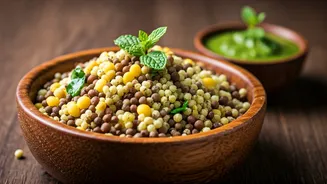
Not long ago, millets were often dismissed as “coarse grains” or food for less prosperous times. Today, they are being celebrated as ‘Shree Anna’—the esteemed grain. This shift is visible across the country. Trendy restaurants are crafting millet-based
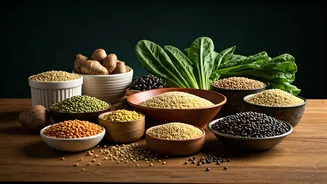
risottos and pizza crusts, while home cooks are rediscovering traditional recipes for bajra khichdi and foxtail millet upma. This revival, powerfully boosted by India’s championing of the UN’s ‘International Year of Millets’ in 2023, is more than a policy push; it’s a cultural reawakening. Indians are realising that the path to wellness doesn’t have to be paved with imported quinoa when our own backyards hold a treasure trove of superfoods.
The Nutritional Powerhouse
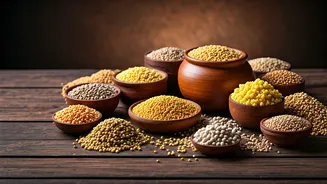
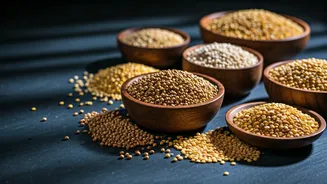
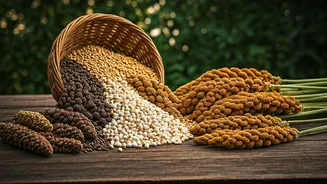
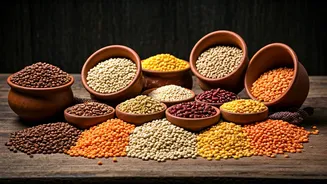
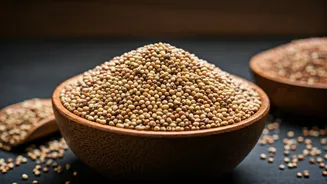
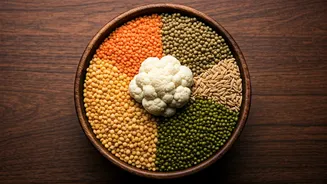
So, what’s behind this nutritional buzz? In simple terms, millets are a powerhouse of nutrients. They are incredibly rich in dietary fibre—the ‘roughage’ in the headline—which aids digestion and keeps you feeling full longer, assisting in weight management. Unlike refined wheat and rice, most millets have a low glycaemic index, meaning they release sugar into the bloodstream slowly, making them an excellent choice for managing diabetes. They are naturally gluten-free, a boon for those with celiac disease or gluten sensitivity. Furthermore, each millet has its own superpower: Ragi (finger millet) is a champion of calcium, great for bone health; Bajra (pearl millet) is loaded with iron to combat anaemia; and Jowar (sorghum) is packed with essential vitamins and minerals.
Reclaiming a Lost Heritage
The return of millets is also a story of reclaiming our roots. Archaeological evidence shows millets were a staple in the Indian subcontinent for millennia, with signs of cultivation dating back to the Indus Valley Civilization. They were the bedrock of diets in many regions, perfectly adapted to India's arid and semi-arid climates, requiring less water than rice and wheat. However, the Green Revolution in the 1960s heavily promoted high-yield varieties of wheat and rice, pushing these hardy, indigenous grains to the margins. Consumption plummeted as government policies, subsidies, and changing consumer preferences favoured refined cereals. Today’s millet revival is a conscious course correction—a move to diversify our food basket and embrace grains that are not only good for us but also for our environment.
From Porridge to Pizza
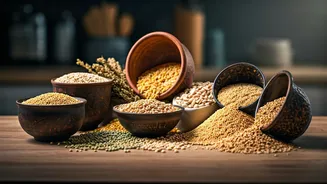
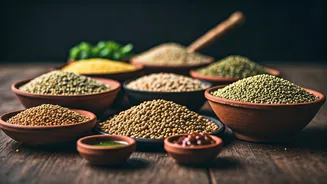
The true sign of millets’ successful comeback is their incredible versatility in the modern kitchen. They are shedding their reputation for being difficult to cook or bland. Home cooks and professional chefs are showing that millets can be both delicious and innovative. You can start your day with a fluffy foxtail millet upma, have a satisfying jowar roti for lunch, and snack on crispy ragi crackers in the evening. The creativity doesn't stop there. Millet flour is being used to bake breads, cakes, and cookies. You can find millet dosas, millet biryani, and even millet-based desserts like kheer. This culinary flexibility ensures that adopting millets isn't about sacrifice; it's about expanding your palate and discovering new, exciting flavours that also happen to be incredibly healthy.