



The Challenge with Traditional Snacks
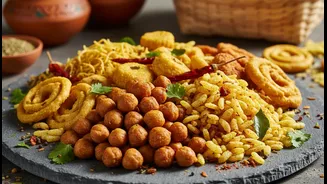
From crispy samosas and pakoras to savoury mixtures, many of our most beloved snacks are high in refined carbohydrates and fats, but low in one crucial nutrient: protein. While delicious, these snacks can lead to quick energy spikes followed by crashes,
leaving you feeling hungry again sooner. Protein is vital for building and repairing tissues, supporting muscle health, and providing sustained energy. High-protein snacks help stabilize blood sugar levels and increase feelings of fullness, which can prevent overeating and keep you energized between meals. The challenge for many is finding snacks that are both satisfying and genuinely nutritious.
Pulses: The Powerhouse in Your Pantry
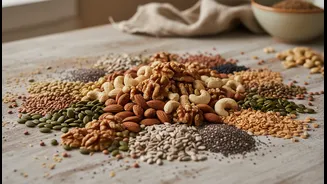
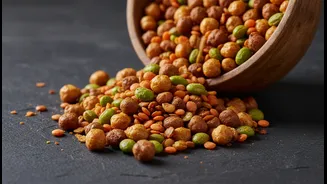
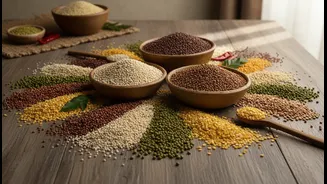
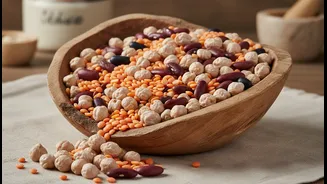
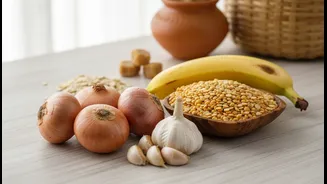
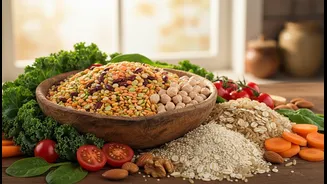
This is where pulses—the edible seeds of legumes—come in. Staples in every Indian kitchen, dals, chana, and rajma are nutritional powerhouses. A single 100-gram serving of raw dal, such as moong, masoor, or chana, can contain an impressive 20-25 grams of protein. They are also packed with dietary fibre, which aids digestion and promotes satiety, along with essential vitamins and minerals like iron and folate. Already a cornerstone of our main meals, these versatile ingredients can be easily adapted to revolutionize our snacking habits, making them more balanced and protein-rich.
Easy Swaps with Pulse Flours
One of the simplest ways to boost the protein content of snacks is by swapping refined wheat flour (maida) with pulse flours. Besan (chickpea flour) is a classic example, traditionally used to make pakoras and sev. By consciously increasing the proportion of besan, you automatically increase the protein. But you can go further. Lentil flour, made from dried masoor or moong dal, can be mixed into the dough for mathri, chapatis, or even homemade cookies and muffins. These flours not only add protein and fibre but also a unique, nutty flavour. They are also naturally gluten-free, making them a great option for those with sensitivities.
Reinventing Your Favourite Snacks
Incorporating whole or split pulses into snacks is another fantastic strategy. Instead of a purely potato-based filling for your samosas or aloo tikkis, try a mix that includes mashed chickpeas or boiled lentils. This adds texture and a significant protein boost. A classic street food, chaat, can be made healthier by using sprouted moong beans as the base instead of fried dough. For a simple, crunchy snack, look no further than roasted chana. A handful of these provides a satisfying crunch along with protein and fibre. You can also make baked cutlets using a mix of boiled pulses like green moong, red chickpeas, and white peas, held together with potato or sweet potato and seasoned with spices.
Delicious Dips and Spreads
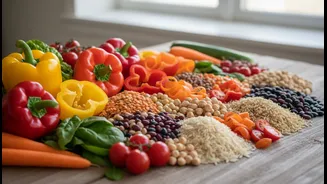
Creamy, cheese-based dips can be high in calories and unhealthy fats. A nutritious alternative can be made by blending pulses. Classic hummus, made from chickpeas, tahini, and lemon juice, is a perfect example. You can create similar dips using other pulses like rajma or even black chana for a different flavour profile. These protein-rich dips pair wonderfully with vegetable sticks like cucumber and carrots or with whole-grain crackers, providing a snack that is both delicious and keeps you full for longer.