
A Hunger for Authenticity
For years, the visual language of online food was dominated by the fast-food aesthetic—glossy, processed, and globally uniform. A burger in Mumbai looked just like one in Manhattan. This predictability, once a strength, has become a weakness. Today's
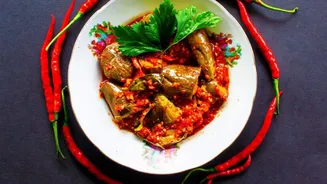
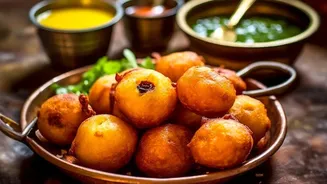
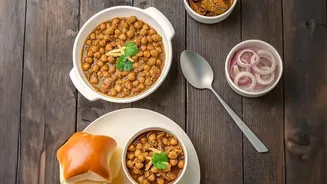
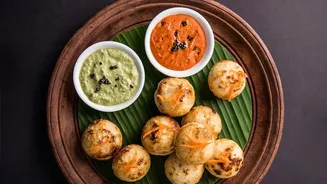
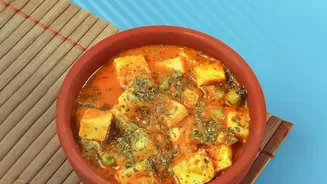
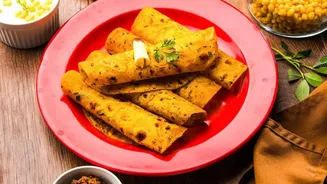
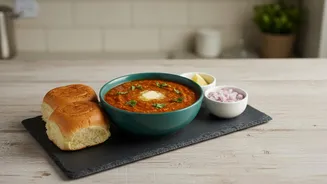
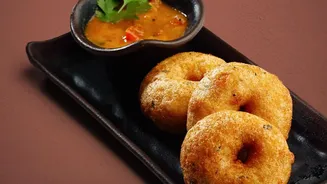
audiences, particularly in India, are craving content that feels real and rooted. Regional comfort food offers exactly that. Each dish, from a Bengali shorshe ilish to a Maharashtrian pithla-bhakri, comes with a story, a history, and a distinct cultural identity. Food creators have found that this authenticity resonates deeply with viewers who are tired of seeing dishes where originality is ruined by generic additions like mayonnaise and cheese. This turn towards tradition is a search for food that has meaning and a connection to a specific place.
Nostalgia Served on a Digital Platter
One of the most powerful drivers of this trend is nostalgia. For millions of Indians living in cities, often far from their hometowns for work or education, these food reels are more than just recipes; they are a digital homecoming. Watching a creator prepare a dish that a grandmother used to make can evoke powerful emotions and memories of family gatherings and festivals. It’s the visual and auditory comfort of 'ghar ka khana'. This emotional connection is something fast food chains struggle to replicate. Restaurants and food creators have tapped into this longing, understanding that a simple, well-made regional dish can create a far stronger bond with a viewer than the most elaborate fusion creation.
The Rise of the Regional Creator
This movement wouldn't be possible without a new generation of food influencers who are building their brands around hyper-local expertise. They are not just cooks; they are cultural ambassadors, educating a national audience about their regional culinary heritage. Creators are taking viewers into their own kitchens, showcasing traditional cooking methods, and explaining the significance of local ingredients that were once unknown outside of their specific regions. These home cooks have become stars, proving that you don’t need a professional kitchen or fancy equipment to create compelling content. Their authenticity and passion make the food feel accessible, encouraging viewers to rediscover the diversity within India's own culinary landscape.
A Richer Visual Feast
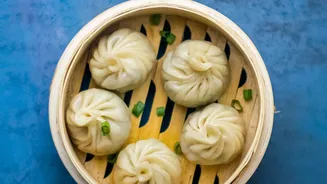
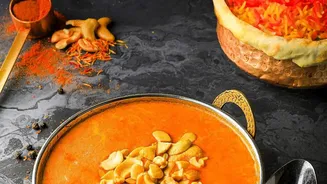
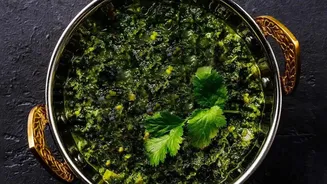
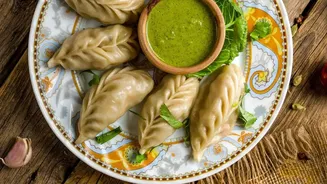
Visually, regional food content offers a much richer and more diverse palette than the repetitive tropes of fast-food videos. While the 'cheese pull' became a viral cliché, creators of traditional food content are finding art in the process. They are using cinematic shots to capture the sizzle of spices hitting hot oil, the vibrant colours of a freshly ground chutney, the intricate folding of a steamed modak, or the satisfying tear of a flaky paratha. These videos engage multiple senses through sound and detailed process shots, creating a more immersive and satisfying viewing experience. The focus shifts from a single, dramatic 'money shot' to the rhythm and beauty of the entire cooking process, celebrating the craft behind the food.
A Shift in What We Value
Ultimately, the growing popularity of regional comfort food on social media reflects a broader cultural shift. Fast food, with its emphasis on speed and convenience, still holds a significant place in Indian life, heavily promoted on digital platforms. However, a growing number of people are looking for food that nourishes not just the body, but also the soul. There is an increasing appreciation for India's vast culinary diversity and a renewed pride in local traditions. The trend shows a collective desire to connect with our roots, learn the stories behind our food, and celebrate the rich, authentic flavours that have been passed down through generations. It's a clear signal that what we find truly satisfying is changing, one reel at a time.