
A New Festive Plate
This festive season, the Indian kitchen is turning into a global playground. Traditional sweets and savouries, long the heart of celebrations like Diwali and Holi, are getting a modern makeover. Imagine biting into a Gulab Jamun Cheesecake, where the beloved
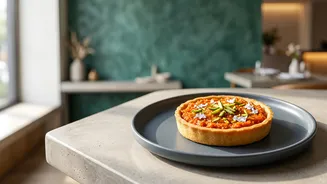
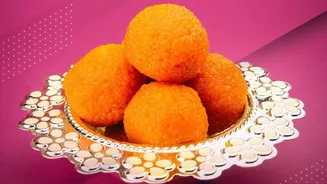
sweet is reimagined within a creamy, baked dessert. Or consider Motichoor Ladoo morphing into a tart, its boondi texture providing a surprising base for a delicate cheesecake filling. This isn't about replacing tradition but expanding it. Home cooks are experimenting with formats and flavours, creating dishes like Rasmalai Tres Leches cake, Paneer Tikka Tacos, and even Masala Pasta. This trend shows a confident and playful approach to cooking, where the comfort of the familiar meets the excitement of the new, resulting in a festive platter that tells a story of a connected world.
The Drivers of Delicious Innovation
What’s stirring this pot of creativity? A key ingredient is social media. Platforms like Instagram and YouTube have become virtual cookbooks, where food bloggers and home chefs share their inventive creations, inspiring millions to try something new. Seeing a video of a stunning Rasmalai Cake or Gulab Jamun Truffles can spark immediate curiosity and a desire to replicate the dish. Increased global travel and exposure to international cuisines have also broadened palates and pantries. Ingredients once considered exotic, such as cheesecake cream cheese, Italian herbs, or Mexican tortillas, are now more accessible. This availability, combined with a growing confidence in culinary skills, empowers home cooks to ask, “What if?” What if a samosa filling was placed in a taco shell, or if the flavours of chai were infused into a panna cotta? The result is a grassroots culinary movement driven by curiosity and connectivity.
The Art of Fusion
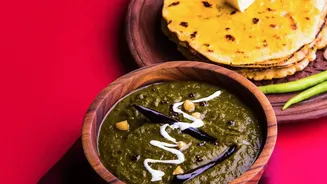
Creating a successful fusion dish is more than just combining two different things; it's about finding a delicious harmony. The most successful experiments respect the 'soul' of the original dish. The goal isn't to mask the traditional flavour but to enhance it or present it in a novel way. For example, a Cardamom Saffron Trifle with raspberries and pistachios keeps the core festive flavours of cardamom and saffron but presents them in a layered, creamy format borrowed from classic English desserts. Similarly, a savoury dip inspired by Pav Bhaji or Palak Paneer retains the iconic taste profile but offers it in a new, party-friendly form perfect for dipping chips or bread. This thoughtful blending ensures that the new creations still evoke the warmth and nostalgia of festive food, even as they surprise the palate. It’s a delicate balance of paying homage to heritage while courageously stepping into new culinary territory.
A Sign of Culinary Confidence
This trend of globalising festive food is not a sign that traditional recipes are losing their importance. On the contrary, it signals a deep-seated confidence in Indian cuisine. For generations, the focus of festive cooking was on preservation—faithfully recreating recipes passed down through the family. Today’s home cooks, armed with global knowledge and a desire for creative expression, are building upon that strong foundation. They understand the flavour profiles of dishes like biryani or kheer so well that they can confidently introduce new elements like cranberries or Western dessert techniques without losing the dish's identity. This evolution is a natural step for a culinary culture that has always been adaptable, absorbing influences from various historical interactions, from Mughal introductions of saffron and nuts to the Portuguese bringing chillies. The modern Indian kitchen is simply continuing this long tradition of delicious adaptation.