

More Than Just Convenience
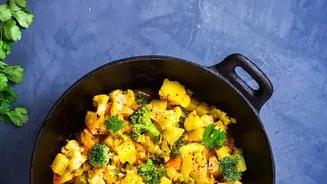
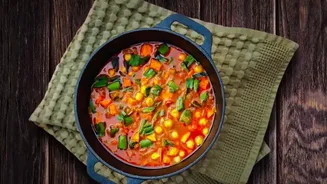
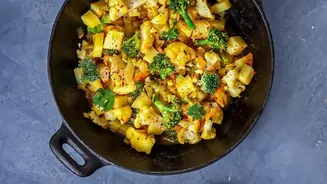
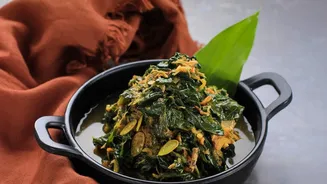
One-pot cooking is a philosophy built on efficiency and flavour. The most obvious benefit is the minimal cleanup, a welcome thought on any busy weeknight. But the advantages go far beyond just using fewer dishes. When all your ingredients—from proteins
and vegetables to grains and spices—cook together in a single vessel, their flavours meld and intensify, creating a depth that is difficult to achieve when cooked separately. This method also helps retain nutrients that might be lost when, for example, vegetables are boiled in water that is then discarded. It’s a sustainable approach, too, using less water and a single heat source, which can help keep fuel consumption low. For modern households juggling tight schedules, it's a practical and delicious solution that simplifies meal prep without compromising on a balanced, nutritious meal.
Embracing Our Culinary Roots
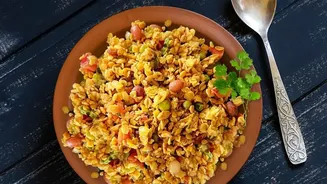
Long before one-pot cooking became a global trend, it was a cornerstone of Indian kitchens. Dishes like khichdi are the original comfort food, a simple yet profoundly satisfying meal made by cooking rice and lentils together. Khichdi is perhaps India's most recognised one-pot meal, celebrated for its digestibility and nutritional balance. The combination of a cereal (rice) and a pulse (dal) creates a complete protein, making it a wholesome meal in itself. Variations are endless, from the simple, soothing versions served during illness to festive preparations like Bengali Bhoger Khichuri, which uses roasted moong dal and fragrant Gobindobhog rice. These traditional recipes are proof that simple, everyday ingredients can be transformed into something special with the right technique.
The Anatomy of a One-Pot Dal
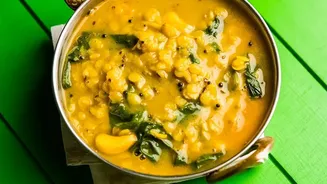
Creating a delicious one-pot dal is easier than you think. Start by heating oil or ghee in a pot and tempering whole spices like cumin seeds or mustard seeds until they become fragrant. Next, sauté your aromatics—typically onion, ginger, and garlic—until softened. This is the stage to 'wake up' your ground spices like turmeric, coriander, and garam masala by cooking them for about a minute. Add your rinsed lentils (red lentils cook quickly), along with tomatoes and a liquid like vegetable broth or water. Bring the mixture to a boil, then reduce the heat, cover, and let it simmer until the lentils are tender and creamy, stirring occasionally. You can add vegetables like spinach, carrots, or peas for extra nutrition. Finish with a squeeze of lemon juice and fresh coriander to brighten the flavours before serving.
The Modern Twist: Millet Bowls
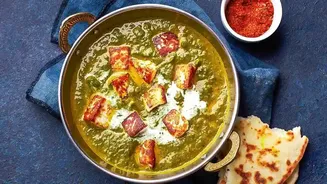
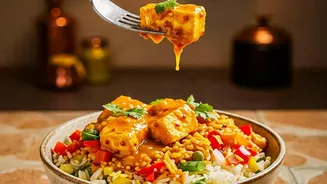
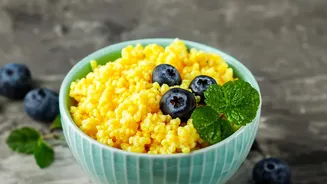
As health consciousness grows, millets are making a major comeback in Indian kitchens. These ancient grains are gluten-free, rich in fibre, and packed with minerals. A millet bowl is a modern, versatile take on the one-pot meal concept. The process starts with cooking the millet, which can be done easily in a pot with water until fluffy. While the millet cooks, you can prepare your other components. Pan-seared paneer, boiled chickpeas, or tofu add a protein punch. A colourful array of fresh or lightly sautéed vegetables like bell peppers, cucumber, and carrots provides crunch and vitamins. The beauty of a millet bowl is its customisability. You can assemble a base of cooked millet, top it with your chosen protein and veggies, and finish with a simple dressing of lemon juice and olive oil, a dollop of yogurt, or a zesty chutney.
Tips for One-Pot Success
To master the art of one-pot cooking, a few tips can go a long way. First, choose the right pot—a heavy-bottomed one will distribute heat evenly and prevent burning. Second, consider the cooking times of your ingredients. Add harder vegetables like potatoes and carrots earlier, while quick-cooking ingredients like spinach or peas should be stirred in at the end. Don't be afraid to use an Instant Pot or pressure cooker, which can significantly speed up the cooking process for dishes like khichdi or dal. Finally, one-pot meals are perfect for batch cooking. Prepare a large portion and enjoy the leftovers for lunch the next day, saving you even more time.