




The Timeless White: Rice Flour
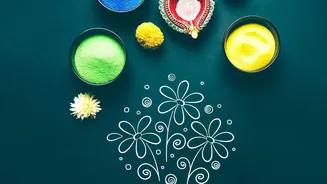
The most traditional and fundamental ingredient for any rangoli is simple rice flour. For centuries, this has been the go-to for creating the pristine white outlines of intricate designs. Its use is rooted in a beautiful philosophy: to feed ants, insects,
and small birds, making the art form a harmonious part of the ecosystem. Using a slightly coarse, homemade rice flour can provide better texture and flow than store-bought varieties. It serves as the perfect canvas, ready to be filled with a spectrum of natural colours, and is completely biodegradable, washing away without a trace of harm.
Vibrant Petal Power
Fresh flower petals offer a burst of colour, texture, and fragrance that synthetic powders simply cannot match. Marigolds, with their brilliant orange and yellow hues, are a festive favourite. Collect petals from marigolds, deep red roses, jasmine, and chrysanthemums to fill in your designs. You can arrange them in colour-blocked sections for a bold look or create a mosaic-like effect for more detailed patterns. Not only are floral rangolis visually stunning, but they are also fully compostable, returning to nature gracefully once the festivities are over.
Colours from the Kitchen Spice Box
Your own kitchen is a treasure trove of natural pigments. Turmeric powder provides a vibrant, auspicious yellow and is gentle on the skin and environment. For a deep red, kumkum is a traditional choice, but you can also use beetroot powder for a rich, earthy crimson. Other spices can be used to create a wider palette: cinnamon or clove powder for browns, and dried, powdered spinach or neem leaves for shades of green. Using these spices connects the art of rangoli to culinary traditions and ensures your creation is completely non-toxic.
Textural Beauty with Grains and Pulses
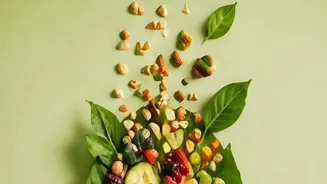
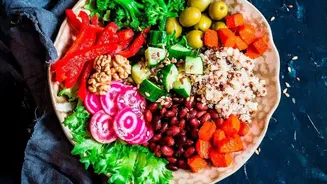
For a unique, textured rangoli, look no further than your pantry. Different grains and pulses can add a wonderful three-dimensional quality to your doorstep decor. Use yellow lentils (moong dal), orange lentils (masoor dal), green mung beans, or black sesame seeds to fill in patterns. These materials offer a rustic, earthy aesthetic and can be arranged to create stunning mosaic-like effects. This method is not only creative but also upholds the tradition of providing food for small creatures.
Creating Your Own Coloured Powders
If you enjoy a more hands-on approach, you can create your own coloured powders by dyeing rice flour. This allows for a wider range of custom shades while remaining eco-friendly. To create colours, you can mix the base rice flour with natural pigments. For pink or red, use beetroot juice or hibiscus flower infusions. For a natural green, use juice from spinach or coriander leaves. After mixing the liquid with the flour, spread the mixture thin and let it dry completely in the sun for a couple of days before grinding it into a fine powder. This process ensures your colours are vibrant, personal, and free from harmful chemicals.
Finishing Touches with Natural Elements
Elevate your eco-friendly rangoli with other natural elements. Mango leaves are considered auspicious and can be used to create beautiful green borders for your design. You can also use small twigs or dried leaves to outline patterns, adding a rustic charm. Finally, placing traditional clay diyas or terracotta lamps in and around your rangoli adds a warm, festive glow. These small touches complete the look, creating a welcoming and sustainable display that truly celebrates the spirit of the festival.