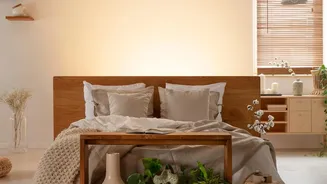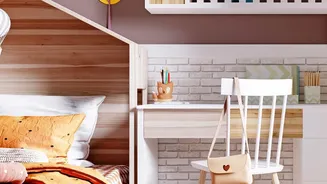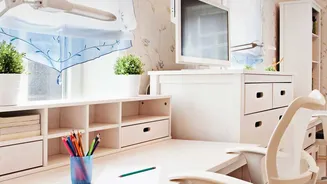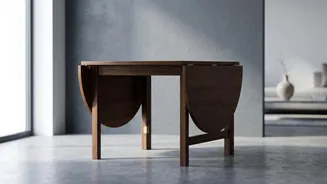



Start With Your Primary Use Case
Before falling for a clever convertible design, ask yourself a simple question: what will I use this for 90% of the time? If you're buying a sofa bed, it will likely be a sofa most days. Prioritise its comfort as a sofa first. Look for medium-firm seat
cushions with a depth of at least 22-24 inches to ensure it feels like a real couch, not a temporary perch. The same logic applies to a lift-top coffee table that will serve as your daily workspace. Is the height right for you? Is the surface stable? The primary function must be excellent; the secondary function is the bonus.
Rethink Multifunctionality
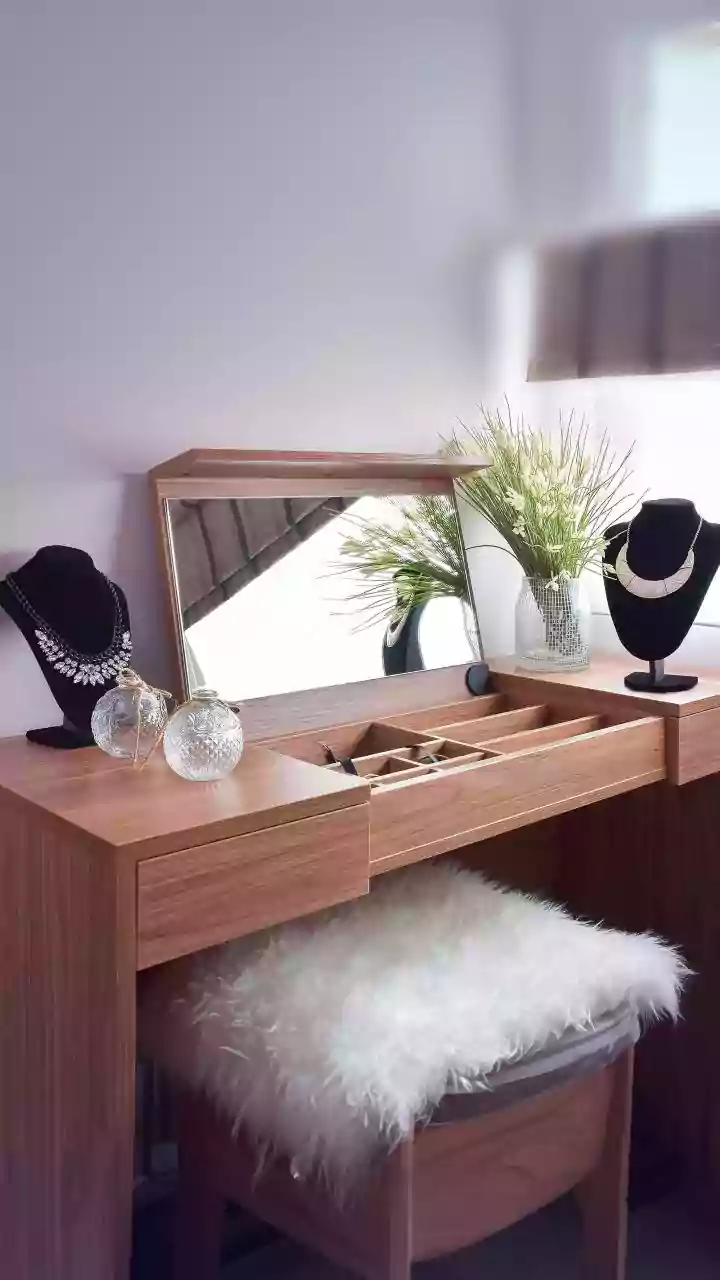
Multifunctional furniture is the hero of small-space living, but not all pieces are created equal. For items that convert into beds, comfort is non-negotiable. The tell-tale sign of an uncomfortable sleeper sofa is often a thin mattress draped over a metal support bar. Look for modern designs that feature a real foam-based mattress (at least four inches thick) on a solid platform. For other dual-purpose items like storage ottomans or benches, check the quality of the padding and hinge mechanisms. A piece that is difficult to open or uncomfortable to sit on will quickly become more of a hassle than a help.
Measure Everything, Then Test In Person
One of the most common mistakes is buying furniture that looks right online but overwhelms the room in reality. Measure your space carefully, including doorways, hallways, and stairwells to ensure you can get it inside. But don't stop there. Tape the furniture’s footprint—both open and closed—on your floor to see how it will truly impact your walking paths and overall flow. Most importantly, comfort is subjective, so you must test it yourself. Sit on the sofa, lie on the sofa bed, and operate the conversion mechanism. If it feels flimsy or awkward in the showroom, it won't magically improve at home.
Go Vertical and Go Light
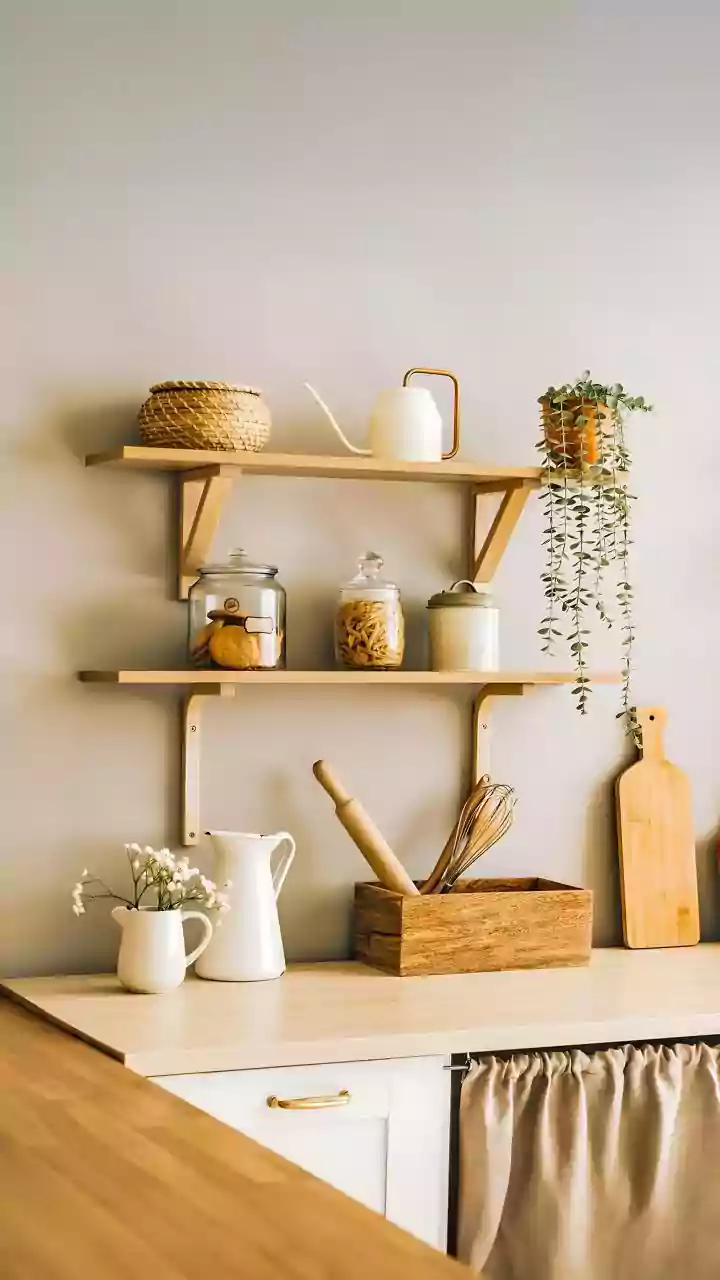
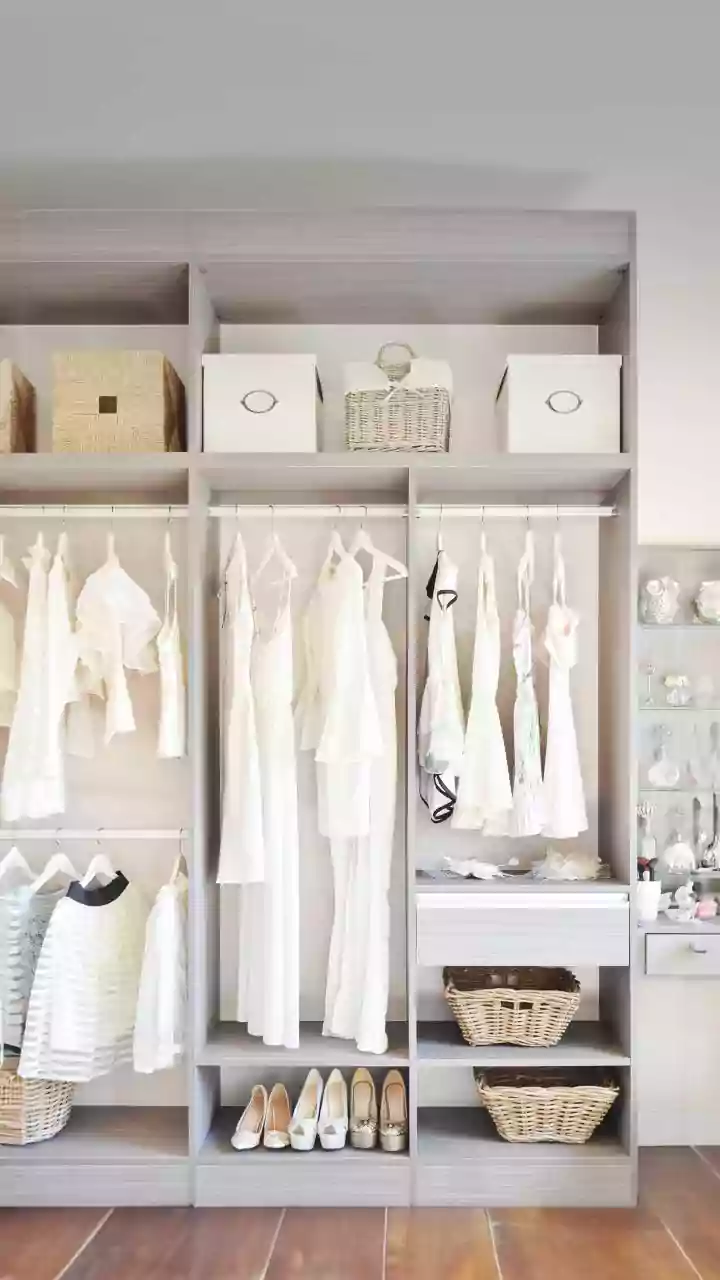
Comfort isn't just about cushioning; it's also about how a space feels. A cluttered, cramped room is inherently uncomfortable. To combat this, draw the eye upward. Tall, narrow bookcases, wall-mounted desks, and floating shelves use vertical space, freeing up valuable floorspace and making the room feel more open. Another professional trick is to choose furniture that is visually lightweight. Pieces with exposed legs—like sofas, chairs, and consoles—create a sense of spaciousness because you can see the floor underneath. Glass or acrylic tables offer function without visual bulk, helping maintain an airy, uncluttered feel.
Don't Skimp on Materials and Frame
With space-saving furniture, particularly pieces that move and convert, build quality is paramount to lasting comfort. These items endure more daily stress than their stationary counterparts. For wood furniture, look for solid hardwood frames, as they are the most durable for load-bearing pieces. For metal frames, check the quality of the welds. When it comes to upholstery and cushions, high-density foam will hold its shape and support far longer than cheaper alternatives. Even the most ingenious design will fail if it's built from materials that sag, warp, or break down after a few months of use. Investing in quality construction is an investment in long-term comfort.