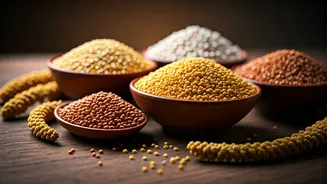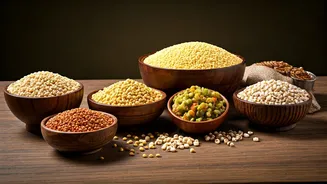




The Great Millet Revival
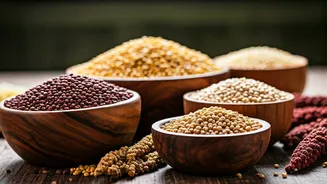
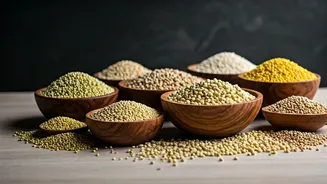
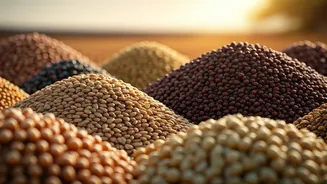
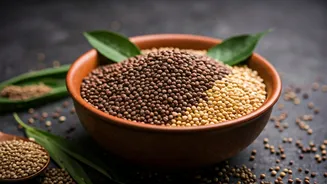
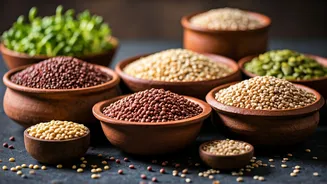
Not long ago, millets like jowar, bajra, and ragi were often seen as humble, rural fare, overshadowed by wheat and rice. [14] Today, they are at the forefront of a major dietary shift across India. This resurgence is fueled by a perfect storm of factors:
strong government promotion, a growing consumer focus on health, and a wave of culinary innovation. [4] After India's proposal, the United Nations declared 2023 as the International Year of Millets, placing a global spotlight on these nutritious grains. [8, 15] This initiative, combined with national missions, has successfully boosted awareness, encouraging both farmers to cultivate them and consumers to embrace them. [15, 19]
A Nutritional Powerhouse
A key driver behind the millet movement is their exceptional nutritional profile. Millets are packed with protein, high in dietary fiber, and naturally gluten-free, making them an excellent choice for those with celiac disease or gluten sensitivities. [3, 5, 6] Their low glycemic index helps in managing blood sugar levels, which is a significant benefit for people with diabetes. [2, 5] These grains are also a rich source of essential minerals like magnesium, potassium, iron, and antioxidants, which support everything from heart health to gut bacteria. [3, 6, 7] As people become more conscious of lifestyle diseases, millets offer a powerful, natural way to enhance daily nutrition. [19, 20]
Beyond Roti and Bhakri
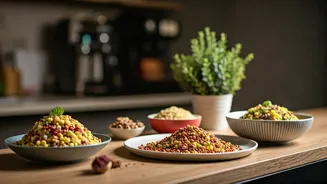
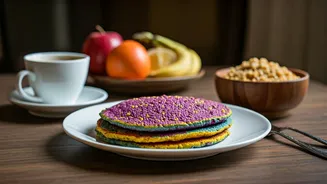
The real game-changer has been the culinary creativity applied to millets. While traditional preparations like ragi mudde and bajra roti remain staples, the modern Indian kitchen is exploring millets in exciting new ways. [26] Chefs and home cooks are now making everything from fluffy millet idlis and crispy dosas to comforting upma and poha. [11, 18] The versatility doesn't stop there. Millets are being turned into pasta, noodles, pancakes, and even pizza bases and cookies. [9, 12] This innovation is crucial, as it makes millets more appealing and accessible to a wider audience, including children and young adults who might have previously found them bland. [4, 9]
Startups and Restaurants Lead the Charge
This food revolution is being actively shaped by a new generation of entrepreneurs and food businesses. Hundreds of startups across India are now dedicated to creating value-added millet products, from ready-to-cook mixes to healthy snacks. [9, 12, 13] Brands like Slurrp Farm, Phalada Pure and Sure, and Troo Good are making it easier than ever for busy urban consumers to incorporate millets into their diets. [9, 16] High-end restaurants and cafes are also adding millet-based dishes to their menus, presenting them in gourmet and contemporary formats that challenge old perceptions. [4, 11] When foreign dignitaries at the G20 summit were served millet delicacies, it sent a powerful message about the grain's elevated status. [4]
Making the Switch at Home
For many, the shift is happening right in their own kitchens. The increasing availability of various millet flours and grains in local stores and online has made experimentation easy. [12] People are finding that substituting a portion of rice or wheat with millets can be a simple first step. For example, adding ragi flour to a multi-grain chapati dough or swapping rice for foxtail millet in a khichdi are popular entry points. [18] The key is that this change isn't about complete replacement but about balance and variety. [14] By reintroducing these nutrient-dense grains, people are not just eating healthier; they are also reconnecting with a sustainable and traditional part of India's rich culinary heritage. [14, 25]