





Beyond the Weighing Scale
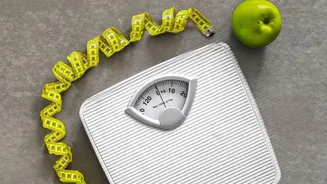
For decades, the ultimate measure of fitness progress was a single number on a weighing scale. While simple, this metric tells an incomplete story. Your body weight can fluctuate daily based on hydration, food intake, and other factors unrelated to your
actual fitness gains or fat loss. A more sophisticated approach involves looking at a wider range of data points that provide a holistic view of your health. By tracking performance, biometric data, and physical changes, you can start to understand how your body is truly adapting to your fitness regimen. This moves you from chasing a number on a scale to building a sustainable, healthy lifestyle based on real evidence from your own body. It’s about being smarter, not just working harder.
Key Metrics That Matter
To get a clear picture of your progress, focus on a few key areas. First, track your performance. This is the simplest form of data collection: log your workouts, including exercises, weights, sets, and repetitions. For cardio, note the duration, distance, and time. This data shows concrete strength and endurance gains. Second, monitor key biometric stats. Your resting heart rate (RHR), measured first thing in the morning, is a powerful indicator of your cardiovascular fitness and recovery. A lower RHR over time generally signals improved heart efficiency. Many wearables also track sleep quality, which is crucial for muscle repair and recovery. Finally, consider body measurements. Using a simple tape measure for your waist, hips, and limbs can reveal changes in body composition that the scale might miss. Progress photos taken under consistent conditions are another excellent, non-numerical way to see change.
Choosing Your Tracking Tools
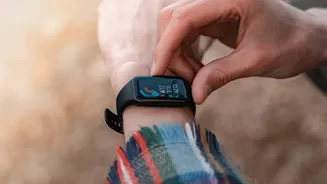
The market for fitness tracking is vast, ranging from simple notebooks to sophisticated wearable technology. You don’t need the most expensive gadget to get started. A basic pen-and-paper journal is highly effective for logging workouts. For biometric data, most smartphones have free apps that can be paired with a simple heart rate monitor. Wearable devices like smartwatches from Apple, Garmin, or Fitbit offer the convenience of collecting multiple data points automatically, including steps, sleep stages, and heart rate. These devices can provide real-time feedback during a workout, helping you stay in your target heart rate zone, for example. The most important factor isn't the tool itself, but your consistency in using it to gather reliable data over time.
Turning Data Into Decisions
Collecting data is only the first step; the real power comes from using it to make informed decisions. If you notice your workout performance has plateaued for several weeks, it’s a clear, evidence-based signal that you need to change your routine. This could mean increasing the weight (progressive overload), changing your exercises, or adjusting your rest periods. If you see your resting heart rate trending up for several days, it might be a sign of overtraining, stress, or poor sleep, telling you that a recovery day is more beneficial than a hard workout. If your measurements are changing but the scale isn't moving, the data tells you that you are likely building muscle and losing fat—a positive outcome the scale alone would obscure. Use these data trends to guide your weekly and monthly planning, ensuring your efforts are always productive.
The Pitfalls of Data Obsession
While data is a powerful tool, it's important to maintain a healthy perspective. It’s easy to become overly focused on numbers, leading to stress and anxiety if you don't meet a specific goal. Remember that fitness trackers are not perfect medical instruments; metrics like calorie burn can be notoriously inaccurate, sometimes off by a significant margin. Use the data as a guide for relative progress and trends, not as an absolute truth. It's also crucial to listen to your body. Some days you will feel great despite what the data says, and other days you may need rest even if your tracker gives you the green light. Data should supplement your intuition, not replace it. Also, be aware of the data privacy implications of the apps and services you use, and understand how your personal health information is being stored and shared.