



Peaches and Nectarines
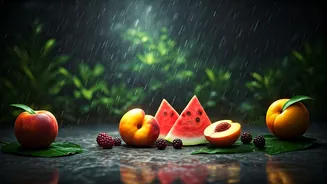
There is perhaps no fruit that screams “summer” more than a perfectly ripe peach. As the season wanes, late-harvest varieties offer a final, glorious taste of sunshine. Their fuzzy skins (or smooth, in the case of nectarines) give way to incredibly juicy,
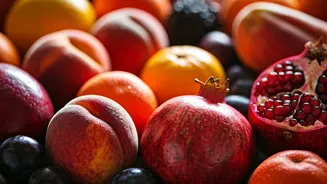
sweet flesh that can brighten the dampest afternoon. Beyond their delightful flavor, peaches are a good source of vitamins C and A, antioxidants that support your immune system when the weather has you feeling sluggish. They are also packed with water, making them a great choice for staying hydrated during humid days when you might be sweating more than you realize. Enjoy them sliced fresh, grilled to caramelize their sugars, or blended into a vibrant smoothie for an easy breakfast or snack.
Plums and Pluots
Deeply colored and full of complex, sweet-tart flavor, plums are a quintessential late-summer and early-autumn fruit. Their season often peaks just as the summer heat gives way to more frequent rain showers. The dark purple, red, and black skins are a clue to their nutritional power; they are rich in anthocyanins, a type of antioxidant that helps combat inflammation and protect your cells from damage. Plums are also famously high in fiber, which aids digestion. Look for pluots, a hybrid of a plum and an apricot, for an even sweeter and more intensely flavored experience. They are firm enough to be packed for lunch without turning to mush and make a simple, elegant dessert when simply halved and roasted with a sprinkle of cinnamon.
Blackberries and Raspberries
While many berries have their peak in early summer, late-season varieties of blackberries and raspberries often come into their own during August and September. These jewels are nutritional powerhouses, delivering some of the highest antioxidant levels of any common fruit. This is crucial for supporting your body’s defenses, especially when seasonal changes can leave you feeling vulnerable. They are also an excellent source of vitamin C and fiber. Their intense, tangy flavors cut through the heavy, humid air. Use them to top yogurt or oatmeal for a burst of freshness, muddle them into a glass of sparkling water for a healthy, homemade soda, or simply eat them by the handful as a perfect, guilt-free treat.
Pomegranates
Arriving in early fall, just as the last of the summer rains fade, the pomegranate feels like a treasure. Breaking one open reveals hundreds of sparkling, ruby-like seeds (called arils) that burst with a tart, refreshing juice. Pomegranates are legendary for their health benefits, particularly their high concentration of powerful antioxidants like punicalagins and punicic acid, which have potent anti-inflammatory effects. Eating pomegranate arils can be a welcome ritual on a slow, rainy day. Sprinkle them over salads for a pop of color and texture, stir them into grain bowls, or press them for fresh juice—a far healthier and more flavorful alternative to most store-bought options.
Pears
As summer transitions fully into autumn, pears begin to take center stage. Varieties like Bartlett are among the first to arrive, offering a sweet, buttery texture that feels both comforting and refreshing. Pears are a fantastic source of soluble fiber, which is great for digestive health and can help you feel full and satisfied. They also provide a good dose of vitamin C and copper, both important for immune function and overall vitality. Unlike crunchier fruits, a soft, ripe pear is easy on the digestive system, making it a soothing choice. Enjoy them sliced with a piece of sharp cheese for a sophisticated snack or poach them in spiced water for a warm, comforting dessert on a cool, rainy evening.