








Why Humidity Wreaks Havoc
The magic of dosa batter is fermentation, a process driven by natural yeasts and bacteria. In ideal conditions, this creates the batter's characteristic airy texture and tangy flavour. However, the high heat and moisture of India's monsoon season, especially
in July, dramatically accelerate this process. What might take 12 hours in winter can happen in just four to six hours. This rapid fermentation can quickly go too far, leading to an overly sour taste and a frustrating waste of ingredients and effort.
Start Cool to Finish Strong
One of the most effective ways to gain control is to manage the temperature from the very beginning. Instead of using room temperature water to soak and grind your rice and dal, opt for cold water. Some experts even recommend using ice cubes during the grinding process to prevent the batter from heating up in the blender. This initial cool temperature gives you a crucial head start, slowing down the fermentation process before it even begins and providing a longer window before the batter sours.
Delay Salting for Better Control
The debate over when to add salt is a classic one in dosa-making circles. While salt is a flavour enhancer, it also affects fermentation. In hot and humid weather, most experts agree it's best to add salt after the batter has fermented. Salt can slow down the activity of microorganisms; adding it after the initial rise allows you to use refrigeration and salt together to effectively pause the process. In cooler climates, adding salt beforehand can aid a sluggish fermentation, but in July, it's a tool best used for preservation after the fact.
Find a Cooler Fermentation Spot
While winter might have you searching for the warmest spot in your home, summer requires the opposite strategy. Forget placing your batter in a sunny window or a warm oven with the light on. In humid weather, you need to find a relatively cool, dark, and dry place in your kitchen. This could be a pantry or a lower cabinet away from the stove or other heat-generating appliances. The goal is to find a stable environment that encourages a slow, even fermentation rather than a rapid, uncontrolled one.
Master the Refrigerator Method
The refrigerator is your most powerful ally in the fight against sour batter. Instead of letting the batter ferment completely on the counter, adopt a two-stage approach. Allow it to ferment at room temperature for just a few hours, until you see the first signs of it rising and becoming airy. Once you see this, give it a gentle stir and move it straight to the fridge. The cold temperature will dramatically slow the fermentation, allowing you to store the batter for several days without it becoming excessively sour.
Watch the Batter, Not the Clock
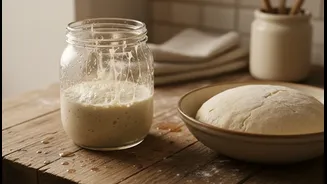
Given how much temperature and humidity can affect fermentation times, relying on a fixed number of hours is a recipe for disaster. Instead, learn to read the visual cues of your batter. A perfectly fermented batter will have nearly doubled in volume, appear light and full of tiny air bubbles, and have a pleasant, mildly sour aroma. If you see these signs, it's time to either cook with the batter or move it to the fridge, regardless of whether it's been four hours or eight.
Salvaging Slightly Sour Batter
If your batter does end up a little more tangy than you'd like, don't throw it out just yet. A slightly sour flavour is perfect for making uttapam; the batter's bold taste is beautifully balanced by toppings like onion, tomato, and green chillies. You can also dilute the sourness by mixing in some rice flour or a small amount of freshly ground, unfermented batter to balance the flavour. This can rescue a batch that's just on the edge of being too sharp.