



1. Gig-Tripping
Once a niche activity for die-hard fans, 'gig-tripping' has gone mainstream. This is where the entire holiday is planned around attending a concert or music festival in another city or country. It’s not just about seeing a favourite artist; it's about combining
the thrill of live music with the discovery of a new place. Reports show a massive spike in this trend, with fans finding it can even be cheaper to fly to another country for a show than to buy scalped tickets at home. This habit turns a one-night event into a multi-day cultural experience, exploring local food, sights, and sounds before and after the encore.
2. Second-City Swaps
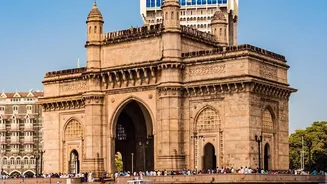
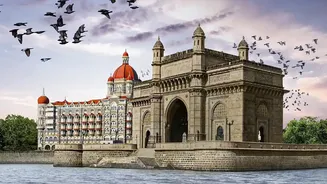
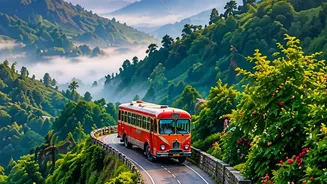
Major tourist hubs like Delhi and Mumbai will always have their charm, but a growing number of travellers are now deliberately skipping them. The 'second-city' trend involves choosing lesser-known destinations like Orchha, Coorg, or Ziro Valley over their bustling counterparts. The motivation is simple: fewer crowds, lower prices, and a more authentic experience. This shift is reshaping Indian tourism, with state tourism boards and airlines expanding their focus to regions that were once considered off the beaten path. Travellers are finding that the real magic often lies just outside the spotlight, in places where the pace is slower and the connections are deeper.
3. Cool-cations
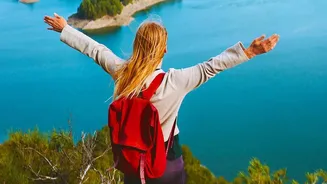
As summer temperatures rise globally, travellers are starting to chase the chill. 'Cool-cations' are holidays planned specifically to escape the heat, swapping sweltering beaches for the milder climates of mountains or northern latitudes. This isn't about finding snow; it’s about enjoying pleasant weather that allows for outdoor activities like hiking and exploring without the risk of heat exhaustion. Travel data shows a significant increase in bookings for cooler destinations like Scandinavia, and in India, places like Dharamshala and the Himalayas are seeing a similar surge. The trend reflects a broader shift towards prioritising comfort and well-being over a guaranteed tan.
4. Ancestry Pilgrimages
Travel is becoming a journey into the self, and for many, that means going back to their roots. Ancestry tourism, a trend supercharged by the accessibility of DNA testing, involves travelling to the towns and countries of one's ancestors. The global market for this type of travel is projected to grow significantly, as people seek meaningful connections to their heritage. It’s about walking the streets your great-grandparents walked, discovering distant relatives, and understanding your personal history on a profound level. This goes beyond simple sightseeing; it’s a deeply personal quest for identity.
5. Digital Detox Retreats
In our hyper-connected world, the new luxury is logging off. Digital detox retreats are holidays where guests intentionally surrender their phones, laptops, and tablets. These trips are designed to combat burnout and the anxiety that comes from constant notifications. Resorts and travel companies are responding with Wi-Fi-free zones, lockboxes for devices, and itineraries filled with offline activities like yoga, hiking, and cooking classes. The goal is to replace screen time with genuine relaxation and human connection, allowing travellers to return home feeling truly rested and mentally reset.
6. Slow Travel Sabbaticals
The era of the whirlwind, multi-city tour is fading. In its place, 'slow travel' is gaining momentum, where travellers spend weeks or even a month in a single location. Driven by the rise of remote work and a collective desire to combat burnout, this habit focuses on depth over distance. Instead of rushing between landmarks, people are renting apartments, shopping at local markets, and integrating into the community. It’s a more sustainable way to travel, reducing carbon footprints and ensuring that tourist spending benefits the local economy more directly. It redefines the vacation as a chance not just to see a place, but to live in it briefly.