




More Than a Curtain, It's a Story
The problem with mass-produced home decor is its lack of personality. Upcycled saree curtains, on the other hand, are steeped in narrative. That silk saree that your mother wore at a family wedding, or the soft cotton one you bought on a memorable trip,
can be transformed into a functional piece of art that holds sentimental value. This practice of repurposing is a cornerstone of Indian craft traditions, promoting a sustainable lifestyle that reduces waste and gives new life to cherished items. Instead of a generic panel of fabric, your window is framed by a piece of your own history, adding a layer of authenticity that no commercial product can replicate.
Choosing the Perfect Saree
Not all sarees are created equal when it comes to curtains. Fabric choice is key. Cotton sarees, especially mulmul, are fantastic as they are breathable, hold their shape well, and allow a soft, diffused light to enter the room. They are perfect for creating a relaxed, airy feel. For a more opulent or formal look, silk sarees offer a rich texture and sheen. However, delicate fabrics like silk, chiffon, or georgette often require a cotton lining to protect them from sun damage and to add weight for a better fall. Consider the function: sheer fabrics like chiffon are great for layering and letting in light, while heavier silks or lined cottons provide more privacy and light-blocking.
The Do-It-Yourself Path
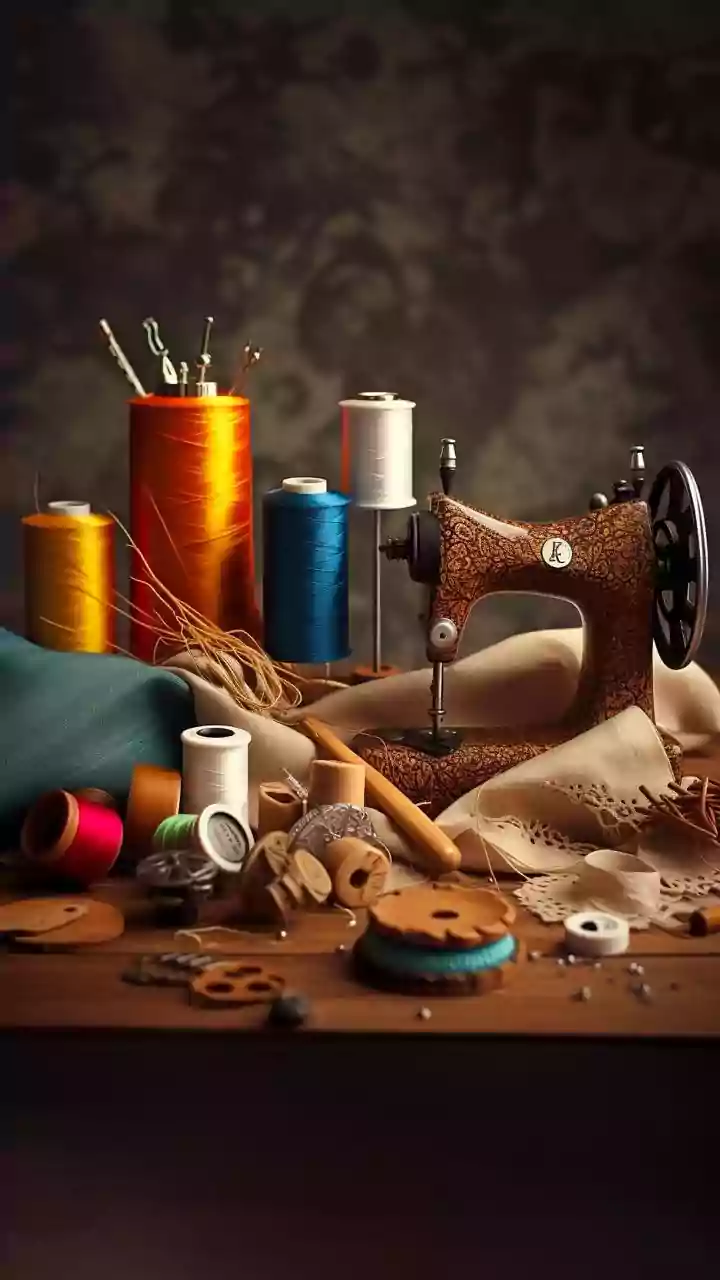
If you are feeling crafty, creating your own saree curtains is a rewarding project. The process is relatively straightforward. First, measure your window's length and width, adding extra inches for hems and the curtain rod loop. A typical saree is five to six yards long, which is often enough for a standard door or window. For wider windows, you might stitch two sarees together or create a colourful patchwork effect. After cutting the fabric, you'll need to sew the hems to prevent fraying. For the top, create a channel or loop wide enough for your curtain rod to slide through easily. If you’re using a delicate saree, stitch a plain cotton lining to the back before hemming.
Hiring a Professional Touch
Not everyone has the time or a sewing machine. The good news is that commissioning custom saree curtains is simple and accessible. Your local tailor is an excellent resource. They can expertly handle the cutting, lining, and stitching for a professional finish. Just bring your chosen sarees and your window measurements. Alternatively, several online stores and bespoke decor services now specialize in creating curtains from Indian textiles. These services can offer advice on fabric combinations and styles, from simple panels to more elaborate, layered designs. This approach ensures your sentimental fabrics are treated with care, resulting in perfectly finished drapes.
Styling Your Saree Drapes
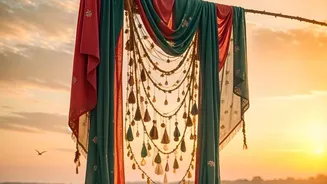
Once your curtains are ready, styling them is the final creative step. You can let a single, vibrant saree be the statement piece in a minimalist room. A bold, patterned silk or a bright Bandhani print can act as a piece of wall art. For a more bohemian or eclectic look, consider a patchwork style made from different saree scraps. You can also layer a sheer, printed georgette or chiffon saree over a plain blackout curtain to get the best of both worlds: beauty and functionality. Don't forget accessories; elegant tie-backs, perhaps made from the saree's border, can complete the look. The goal is to integrate the curtain into your decor in a way that feels intentional and beautiful.