




Start with a Smart Strategy
The best way to approach festive shopping is with a clear plan. Before you even think about sales and discounts, create a master list. Divide it into three categories: gifts, clothing, and home essentials. Next to each item, set a realistic budget. This
simple step prevents overspending in the festive rush. Many shoppers now plan their budgets in advance, with three out of five planning to spend over ₹10,000 this season. A well-thought-out list also ensures you don’t forget anyone or anything important, from puja items to presents for distant relatives. The festive shopping season kicks off in earnest around Navratri, so having your list ready by early October is ideal to stay ahead of the crowds and potential stockouts.
Gifting, Simplified and Thoughtful
Gifting is at the heart of Indian festivals, strengthening bonds of love and community. This year, the trend is moving away from generic hampers towards more personal and meaningful presents. Consider the recipient's taste and the occasion's significance. For Diwali, gifts that symbolise prosperity, like gold-plated décor or silver coins, are always appreciated. For other festivals like Raksha Bandhan, a personalised keepsake often holds more value than an expensive item. There's also a growing preference for sustainable and artisanal gifts. Handloom textiles, handcrafted décor, and organic personal care sets are not only unique but also support local craftspeople. Planning your gifts early can also save you from the stress of last-minute decisions.
Your Festive Wardrobe Refresh
Festive fashion in 2026 is all about blending comfort with elegance. The trend has shifted from heavy, one-time-wear outfits to versatile, wearable pieces made from breathable, natural fabrics like cotton, linen, and chanderi. Look for relaxed silhouettes such as co-ord sets, kaftan-style kurtas, and straight-cut suits. Earthy jewel tones like terracotta, sage green, deep teal, and wine are the dominant colours of the season. Instead of heavy embellishments, the focus is on craftsmanship, such as hand-block prints, chikankari, or a single, well-executed detail. The key is to invest in pieces that can be styled differently for multiple occasions, making your wardrobe more sustainable and practical long after the festivities end.
Decking the Halls with Festive Flair
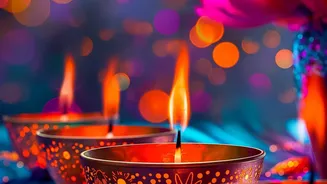
Decorating your home sets the mood for celebration. The 2026 trend leans towards a warm, minimalist aesthetic with meaningful accents. Earthy colour palettes featuring terracotta, olive green, and warm beige are popular for creating a grounded, soothing environment. Incorporate these tones through textiles like cushion covers, table runners, and rugs with traditional Indian motifs like paisley or block prints. Small touches of warm metallics, such as a brass candle holder or a decorative tray, can add a touch of luxury without overwhelming the space. Instead of cluttering rooms, focus on creating styled corners with a few impactful pieces—a beautiful lamp, some books, and fresh flowers or plants can make a space feel intentional and festive.
Timing Is Everything
To get the best deals and avoid the frantic energy of last-minute shopping, timing your purchases is crucial. The festive shopping season sees its first major spike during Navratri (October 11-20, 2026). For Diwali (October 30, 2026), it's wise to start your shopping by mid-October, especially for personalised or bulk orders which may need more time. Many shoppers begin making decisions 10-12 days before a major festival. Online shopping can be a huge time-saver, allowing you to compare prices and find everything you need from the comfort of your home. With four in five shoppers reportedly using AI-powered tools for recommendations this year, technology is making it easier than ever to discover products and manage your festive buying.