






Munnar, Kerala: Emerald Tea Gardens
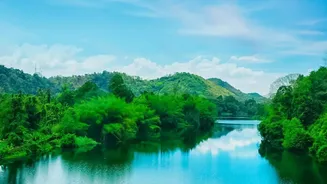
Nestled in the Western Ghats, Munnar becomes a dreamy, emerald-green wonderland during the monsoon. The season, which typically lasts from June to September, breathes life into the region’s sprawling tea plantations. Mist blankets the rolling hills, creating
a serene and romantic atmosphere perfect for a quiet getaway. The rain feeds magnificent waterfalls like Attukal and Lakkam, which thunder down with renewed force. The cool, crisp air, with temperatures hovering between 18°C and 24°C, is ideal for leisurely walks through the vibrant, rain-washed tea estates. It’s a time of fewer crowds, allowing for a more peaceful experience of this southern jewel.
Coorg, Karnataka: The Scotland of India
Often called the “Scotland of India,” Coorg in Karnataka is a quintessential monsoon destination. The rainy season, from June to September, turns its coffee plantations a shimmering green and fills the air with the fresh scent of wet earth. The landscape becomes a canvas of misty hills, swollen rivers, and roaring waterfalls like Abbey and Iruppu Falls. While it rains heavily, especially in July, the downpours add to the region's charm, creating a peaceful and incredibly romantic setting. The pleasant weather, with temperatures between 19°C and 25°C, is perfect for scenic drives and finding a cozy corner to enjoy a cup of locally grown coffee.
Shillong, Meghalaya: The Abode of Clouds
For a truly immersive monsoon experience, head to Shillong in Meghalaya, aptly named the “Abode of Clouds.” The state receives some of the highest rainfall in the world, and this season reveals its most enchanting side. The landscape turns a dramatic emerald green, waterfalls like Elephant Falls are at their most powerful, and mist rolls through the valleys and canyons. This is the best time to visit nearby Cherrapunji and Mawsynram, the wettest places on earth, to witness their natural splendour. You can also explore the famous living root bridges, which look especially magical covered in fresh moss.
Lonavala, Maharashtra: A Quick Weekend Escape
A popular weekend getaway from Mumbai and Pune, the hill station of Lonavala comes alive during the monsoon. The Sahyadri mountain ranges transform into a lush, green spectacle, dotted with seasonal waterfalls. Key attractions like Bhushi Dam overflow with water, creating a lively atmosphere, while viewpoints such as Tiger Point offer breathtaking vistas of cloud-filled valleys. The weather is cool and pleasant, ideal for trekking to historic forts like Lohagad and Rajmachi, which are cloaked in mist and greenery during this time.
Udaipur, Rajasthan: A Surprising Green Oasis
While Rajasthan is known for its arid landscapes, Udaipur offers a surprisingly different picture during the monsoon. The City of Lakes sheds its dry summer look and embraces a cooler, greener avatar from July to September. The surrounding Aravalli hills turn lush, and the lakes, including the iconic Lake Pichola, fill to the brim, making for romantic boat rides. The rain is typically moderate, with short afternoon showers that leave the evenings cool and pleasant. Visiting the majestic City Palace or the hilltop Sajjangarh (Monsoon Palace) offers dramatic views of the rain-washed city and its rejuvenated landscape with fewer tourists around.
Valley of Flowers, Uttarakhand: A Himalayan Bloom
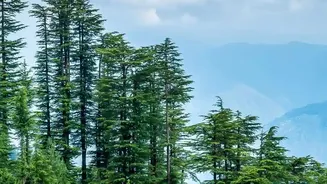
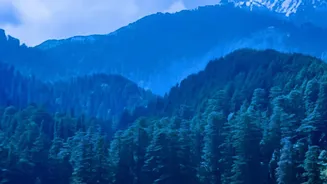
A UNESCO World Heritage Site, the Valley of Flowers in Uttarakhand is a unique monsoon trek. This high-altitude valley is only accessible from June to early October and hits its peak bloom between mid-July and mid-August, coinciding with the monsoon. The rains carpet the meadows with hundreds of species of vibrant alpine flowers, creating a breathtaking floral spectacle. While the trek can be challenging due to rainy conditions, the reward is a surreal landscape of colourful flowers against a backdrop of misty peaks—an experience that is truly once-in-a-lifetime for nature lovers and photographers.