


The Unshakeable Reign of Traditional Snacks
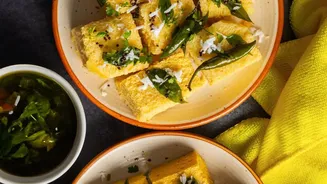
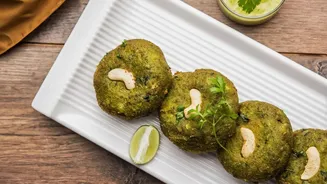
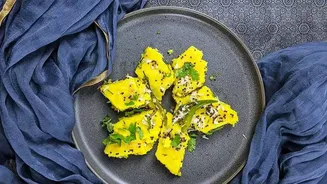
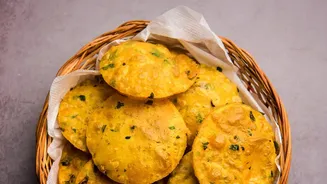
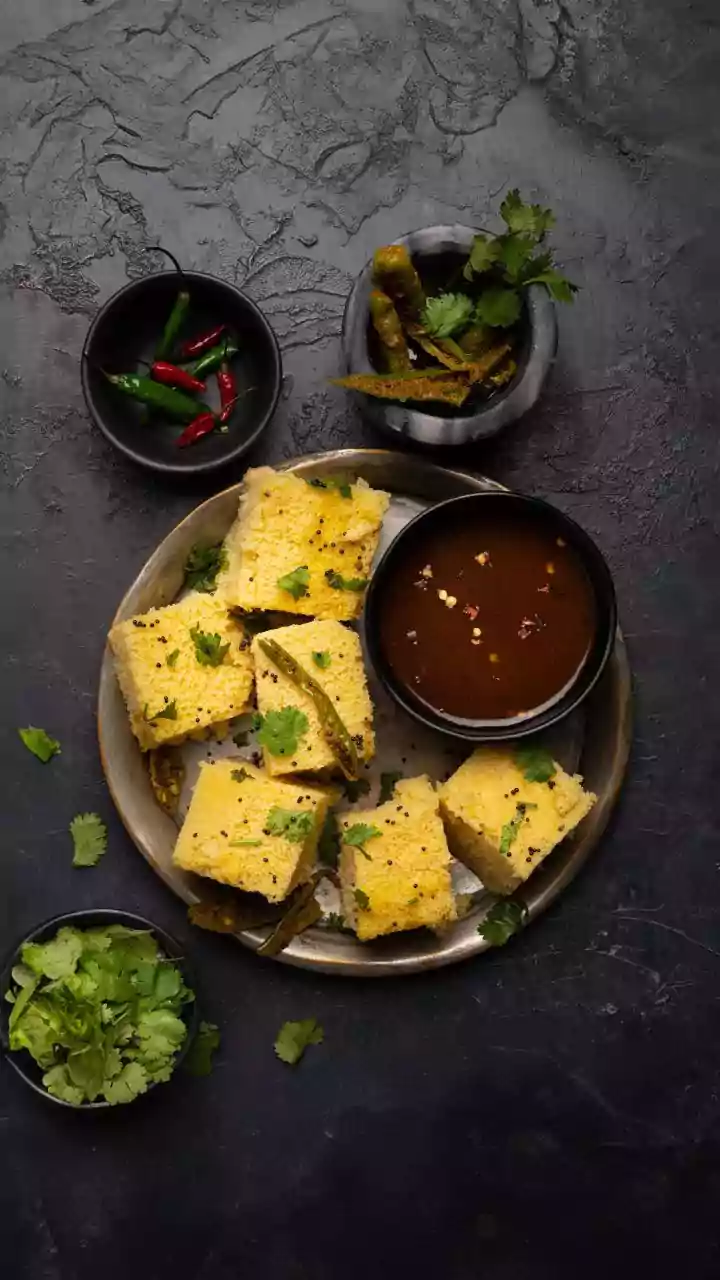
For generations, the Indian snack universe has been dominated by a delightful and diverse array of savoury and sweet treats. From the humble street-side samosa and regional namkeens to homemade murukku and mathri, these foods are deeply connected to culture,
comfort, and community. They are staples at festivals, family gatherings, and daily tea rituals. This isn't changing overnight. The market for traditional snacks remains massive, driven by taste and tradition. However, this established landscape is now making room for a new set of players, as consumers begin to ask more from their snacks than just flavour and crunch.
The New Drivers: Wellness and Urban Lifestyles
The shift towards healthier snacking is fueled by powerful social and economic currents. Rising health consciousness, particularly among urban and younger demographics, is a primary driver. Consumers are more informed than ever, reading labels and becoming wary of high-calorie, fried options. This increased awareness is paired with changing lifestyles. Hectic work schedules and the rise of on-the-go consumption have created a need for convenient foods that also align with wellness goals. A 2025 consumer study highlighted this evolution, finding that 72% of respondents actively look for snacks with functional benefits like boosted energy or higher protein content. This indicates a move from passive consumption to purposeful eating.
Protein Takes Centre Stage
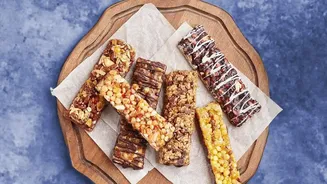
More than any other nutrient, protein has become a primary focus for the health-conscious Indian snacker. Once considered a concern mainly for athletes and gym-goers, protein is now a mainstream buzzword associated with satiety, muscle health, and overall wellness. A 2026 report found that a staggering 86% of Indian consumers consider protein an important factor when choosing a snack. This demand has given rise to a booming market for protein-fortified products. Protein bars, once a niche item, are now common in supermarkets. But the innovation goes further, with brands launching everything from protein chips and millet-based protein wafers to high-protein yogurts and breakfast foods.
Clean Labels and Natural Ingredients
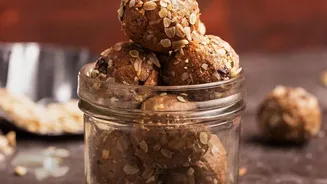
Beyond just adding protein, the new snacking philosophy emphasizes what's being left out. Consumers are increasingly demanding "clean labels"—shorter, simpler ingredient lists they can easily understand. This means a preference for snacks without artificial preservatives, colours, or excessive processing. The demand for natural sweeteners is a key part of this trend, with 61% of consumers saying they prefer snacks sweetened with jaggery or dates over refined sugar. The focus has also turned to cooking methods, with a clear preference emerging for baked, roasted, or air-fried options over traditional deep-frying. Products like roasted makhana (fox nuts), baked millet snacks, and roasted chickpeas have become popular alternatives to fried potato chips and bhujia.
How Brands Are Innovating
This consumer-led shift has sparked a wave of innovation across the food industry. Legacy FMCG giants are reformulating products and launching healthier sub-brands. Simultaneously, a vibrant ecosystem of new-age, direct-to-consumer (D2C) brands has emerged, building their entire identity around health and transparency. These startups, such as The Whole Truth, Farmley, and Yoga Bar, leverage digital marketing and quick commerce to reach health-conscious audiences directly, often in both metropolitan and Tier-2 cities. Their success highlights the growing willingness of Indian consumers to pay a premium for snacks that deliver on both taste and nutritional promises.