






The Journey from Plant to Bottle
Many of the ingredients that give your shampoo its desirable qualities—rich lather, smooth texture, and nourishing feel—are derived from plants grown all over the world. Surfactants, which create the foaming action, are often made from coconut or palm
oil. Thickeners that provide that luxurious viscosity, like guar gum, come from beans. Even the fragrances can be sourced from botanical essential oils. These natural ingredients are the starting point of a long and intricate supply chain that begins in a field and ends in your bathroom. This reliance on agriculture makes the personal care industry deeply connected to the earth, its weather patterns, and its overall health.
When Extreme Weather Hits the Supply Chain
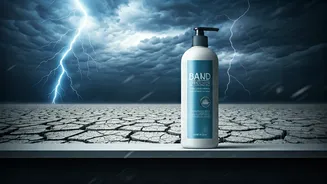
This is where climate risk enters the picture. Extreme and erratic weather events, which are becoming more frequent and intense, directly threaten the crops that produce these essential ingredients. Prolonged droughts in places like the Philippines and Sri Lanka have devastated coconut harvests, leading to a sharp drop in coconut oil production. This not only drives up prices for manufacturers but can cause outright shortages. Similarly, the vast palm oil plantations in Indonesia and Malaysia, which supply a huge portion of the world's demand for cosmetics, are vulnerable to both flooding and extreme heat, creating what some experts call a circular risk. The industry relies on a stable climate for predictable harvests, and that stability is fading.
A Local Look: The Story of Guar
For a clear example with a strong connection to India, look no further than guar gum. India produces around 80% of the world's supply of guar, a bean that is processed into a powder used to thicken everything from ice cream to shampoo. Primarily grown in arid regions like Rajasthan, the guar plant is famously drought-resistant. However, even this hardy crop is not immune to the severe effects of climate change. Increasingly erratic monsoons and extreme temperatures can still impact yields, creating volatility for the thousands of smallholder farmers who depend on it for their livelihood. The global demand for guar means that a poor harvest in Rajasthan can have ripple effects felt by cosmetic companies and consumers worldwide.
How the Industry is Responding
The personal care industry is becoming acutely aware of these vulnerabilities. Supply chain disruptions are not just a future possibility; they are a current reality that affects costs and production schedules. In response, many companies are being forced to adapt. Some are exploring ways to diversify their sourcing, so they are not reliant on a single region for a critical ingredient. Others are investing in making their supply chains more resilient. A prime example is the Sustainable Guar Initiative in Rajasthan, where major companies like L'Oréal and Procter & Gamble have partnered with NGOs to train over 12,000 farmers in climate-smart agricultural practices. These practices help improve yields, conserve water, and build resilience to climate shocks, creating a more stable and sustainable supply for the future. In some cases, companies are also reformulating products or turning to biotech alternatives to reduce their reliance on the most at-risk crops.