





The Algorithmic Grip on Content
In the early days of social media, most feeds were chronological, showing the newest posts first. Platforms later shifted to algorithmic feeds, which curate and rank content based on what they predict users will find most engaging. The goal was to keep
users on the platform longer, thereby increasing ad revenue. However, this has created a challenging environment for publishers and creators, who find their visibility is at the mercy of constantly changing, opaque formulas. Organic reach has plummeted, with some estimates suggesting that fewer than 10% of a publisher's followers on major platforms might see a given post. This forces creators into a relentless cycle of trying to outsmart the algorithm, often leading to burnout.
The High Cost of a Borrowed Audience
Relying on platforms means publishers are essentially renting their audience instead of owning the relationship. This dependency comes with significant costs. When an algorithm changes, a publisher's traffic and revenue can disappear overnight without warning. This volatility makes it difficult to forecast revenue or build a stable business model. Furthermore, publishers lose access to valuable audience data, which the platforms keep for themselves. Without a direct line to their readers, it becomes harder to understand their preferences, build brand loyalty, and create a community around their content. The value of a direct, paying subscriber is many times greater than that of a reader monetized through shared ad revenue on a platform.
Forging Direct Connections
In response, many are shifting to a direct-to-consumer (DTC) model. This involves building destinations they control, such as newsletters, membership programs, and dedicated apps. These channels allow for direct communication and cut out the algorithmic middleman. Newsletters, for instance, deliver content directly to a reader's inbox, guaranteeing it is seen. Similarly, creators are launching their own platforms to host premium content and build communities away from the noise of social media. This strategy is about building a loyal base that is willing to follow them to owned spaces, creating a more sustainable and predictable foundation for their business.
Why Users Are Embracing the Shift
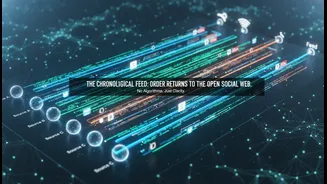
This move also benefits users who are experiencing "algorithmic fatigue." Many feel their feeds are cluttered with irrelevant or promoted content, while they miss updates from accounts they genuinely want to follow. Chronological feeds offer a more transparent and predictable experience, putting the user back in control of their information diet. They can feel less overwhelming and reduce the addictive patterns associated with endless, algorithm-fueled scrolling. Several platforms have responded to user demand by reintroducing chronological feeds as an option, and new apps are emerging that are built entirely around an algorithm-free philosophy, often using RSS technology to pull content from across the web into a single, clean feed.