





A Nation Running on Empty
Recent findings paint a concerning picture of a sleep-deprived nation. According to the Great Indian Sleep Scorecard (GISS) 2026, a survey that analysed responses from across urban India, there is a growing struggle with rest. The report highlights that a significant
portion of the population is grappling with late bedtimes, poor quality sleep, and the consequences that follow. Data from another recent nationwide survey found that nearly one in three urban Indians fears they have insomnia. More alarmingly, over half of the respondents—57.8%—admitted to feeling sleepy during work hours, an increase from the previous year. This collective exhaustion points to a deeper issue where sleep is often sacrificed for demanding work schedules and lifestyle habits, leaving many feeling unrested and fatigued upon waking.
The Glow of the Screen at Night
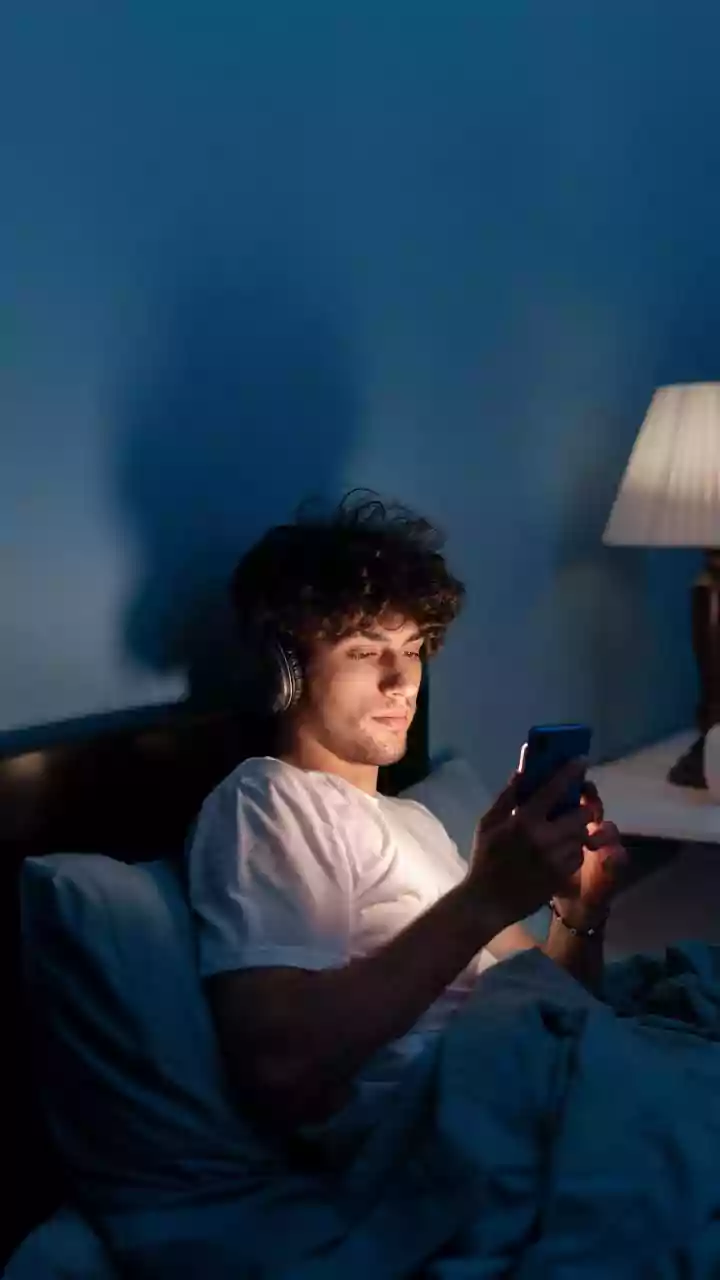
One of the biggest culprits behind India's sleep problems is the pervasive use of digital devices before bed. An estimated 87.6% of people reported using their phones right before trying to sleep, a habit that significantly disrupts the body's natural sleep-wake cycle. The blue light emitted from smartphones, tablets, and laptops suppresses the production of melatonin, the hormone that signals your brain it's time to sleep. This not only makes it harder to fall asleep but also reduces the quality of the rest you do get. The content itself, from social media to streaming shows, keeps the brain in a state of high alert, making it difficult to wind down. This combination of biological disruption and mental stimulation is a powerful driver of the country's sleep deficit.
How Different Cities Sleep
The sleep crisis is not uniform across the country, with some cities faring better than others. Mumbai has earned the unfortunate title of India's most sleep-deprived city, with 76.5% of residents reporting late bedtimes and over 62% saying they do not feel rested in the morning. Delhi has the highest rate of late wake-ups, while Kolkata is the definitive late-night city, with over 75% of residents going to bed late. On the other end of the spectrum, Chennai has been ranked as the country's most disciplined city for sleep, boasting the lowest rate of late bedtimes. Hyderabad also shows more balanced sleep patterns compared to other metros. These regional differences highlight how varying urban lifestyles, work cultures, and even climate can influence sleep patterns, with one study noting that high nighttime temperatures in cities like Chennai and Mumbai contribute to significant sleep loss annually.
The Hidden Costs of Poor Sleep
The consequences of chronic sleep deprivation extend far beyond just feeling tired. Consistent lack of quality rest is a serious health concern linked to an increased risk of chronic conditions like heart disease, diabetes, and obesity. It also takes a significant toll on mental well-being, impairing concentration, slowing reaction times, and affecting emotional stability. When sleep is compromised, the body's ability to regulate stress hormones is weakened, which can lead to heightened anxiety and mood swings. Over time, what starts as a few sleepless nights can snowball into a cycle of poor physical and mental health, impacting everything from workplace performance to personal relationships.
How to Reclaim Your Night
While the data seems bleak, there is growing awareness about the importance of good sleep. Many people recognise that simple changes can make a big difference. Experts suggest creating a consistent sleep schedule, even on weekends, to regulate your body's internal clock. A crucial step is implementing a 'digital curfew' by avoiding screens for at least an hour before bed to allow melatonin levels to rise naturally. Instead, opt for relaxing activities like reading a printed book, listening to calm music, or gentle stretching. Creating a comfortable sleep environment—cool, dark, and quiet—is also essential. If persistent sleep problems continue, it may be a sign of an underlying issue that warrants a discussion with a healthcare professional.