






The End of the Off-Season?
For decades, India’s travel calendar was predictable: a frantic summer, a lull during the rains, and a busy winter. The monsoon was the industry’s quiet-time. That is officially changing. Recent data reveals a massive spike in travel during the June to
September period. Travel platforms report hotel bookings are up by over 50% year-on-year, with some destinations seeing staggering growth. For example, bookings in Wayanad, Kerala, have soared by 160%, while Goa has seen a 110% jump. Even bus bookings have surged by 140%, indicating that travellers of all types are embracing the rains. This isn't just a minor uptick; it's a fundamental shift. The booking window has also expanded, with spontaneous weekend trips being replaced by plans made four to six weeks in advance, signalling that monsoon travel is now a primary choice, not an afterthought.
What's Driving the Downpour of Tourists?
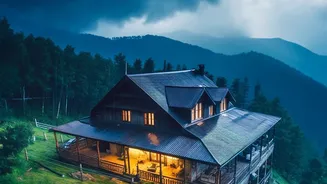
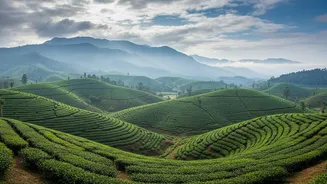
Several factors are fuelling this trend. The rise of remote and flexible work is a major driver, allowing professionals to combine work with leisure in what are now called 'workations'. Instead of one long holiday, people are taking multiple shorter breaks throughout the year. Social media also plays a huge role, with platforms like Instagram and YouTube romanticizing the imagery of misty hills, lush green landscapes, and rain-soaked palaces. Influencers promoting unique monsoon experiences have made destinations seem more accessible and desirable. Furthermore, the travel industry itself is no longer passive. Hotels and travel companies are actively promoting the season with dedicated sales, curated packages, and experience-led stays focused on wellness and nature, successfully turning a perceived negative (rain) into a unique selling point.
From Hills to Coasts: Where India Travels
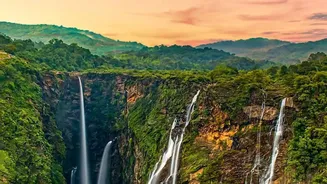
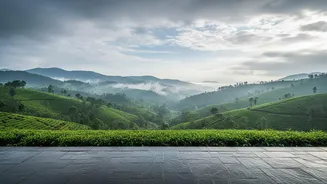
The demand is widespread, touching every corner of the country. Traditional monsoon favourites like Kerala and Goa remain hugely popular, with travellers drawn to the rejuvenating greenery and dramatic seascapes. Hill stations across the Western Ghats, such as Coorg, Lonavala, and Mahabaleshwar, come alive with gushing waterfalls and misty valleys, making them prime spots for short getaways. Further north, destinations like Mussoorie, Nainital, and Rishikesh are seeing significant booking spikes, with Rishikesh climbing from 18th to 3rd in search rankings. The Northeast has also emerged as a standout performer, with Nagaland and Arunachal Pradesh recording a 62% year-on-year rise in flight bookings. Even Rajasthan’s cities, like Udaipur, are attracting visitors who want to experience the romance of its lakes and palaces under cloudy monsoon skies.
The New Economics of Monsoon Travel
Historically, monsoon travel was synonymous with deep discounts and budget-friendly deals. While it can still offer better value than the peak winter or summer seasons, the concept of a cheap off-season trip is fading. As demand surges, hotels are maintaining stronger pricing power and avoiding the steep rate cuts of the past. Travel companies are launching specific monsoon sales, but the sheer volume of travellers means the best deals are snapped up by those who book early. The dynamic has shifted from one of guaranteed bargains to one of strategic planning. The biggest advantage is no longer just cost, but the experience itself: witnessing destinations transform and enjoying them with fewer crowds than in peak season, even if those crowds are growing.
Is the Quiet Escape Gone for Good?
This boom raises important questions about the future of monsoon travel. The primary appeal of the season was once solitude and tranquility. As popular spots become more crowded, there's a risk of losing that unique charm. The end of the spontaneous monsoon getaway is already here, with sold-out signs replacing last-minute availability in many destinations. This increased footfall also puts a strain on the infrastructure of ecologically sensitive areas, especially in hill stations prone to landslides and coasts facing rough seas. While the surge offers a welcome economic boost to the tourism sector, it challenges the very definition of an 'off-season'. The quiet escape may not be entirely gone, but finding it now requires venturing to more offbeat locations or accepting that India’s once-sleepy rainy season has awakened.