





The Protein Gap in Our Favourite Breakfasts
For many, the morning meal revolves around comforting, fermented batters that produce soft idlis and crisp dosas. While delicious and gut-friendly due to fermentation, they are predominantly rich in carbohydrates. A typical 100g serving of idli or dosa batter contains
around 5 grams of protein but over 25-30 grams of carbohydrates. This imbalance can lead to a quick spike in blood sugar followed by a slump in energy by mid-morning. Studies show that a breakfast low in protein might leave you feeling hungry sooner and can lead to increased snacking throughout the day. This is where a simple enhancement can make a world of difference to your morning routine.
Why Seeds Are a Nutritional Powerhouse
Seeds are nature's tiny treasures, packed with an incredible density of nutrients. They are excellent sources of plant-based protein, healthy fats (including omega-3 fatty acids), dietary fibre, and essential minerals like magnesium, zinc, and iron. Adding them to your diet is not just about boosting one nutrient; it's about introducing a spectrum of health benefits. Research consistently shows that a protein-rich breakfast helps regulate appetite, keeps you feeling full for longer, supports muscle health, and promotes stable energy levels. By slowing down digestion, the combination of protein and fibre in seeds can help manage blood sugar levels, preventing the energy crashes associated with high-carb meals.
Your Seed Selection for a Protein Punch
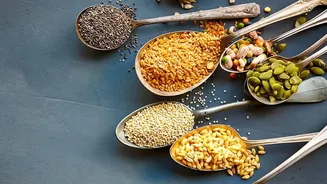
Different seeds offer unique benefits, and a mix is often best. Here are some of the top contenders to consider for your homemade powder: - Pumpkin Seeds: A protein leader, offering around 8.5 grams of protein per 28-gram serving. They are also rich in magnesium and zinc. - Sunflower Seeds: These provide about 6-7 grams of protein per 28-gram serving and are an excellent source of Vitamin E, a powerful antioxidant. - Flax Seeds: Known for their high omega-3 fatty acid content, flax seeds also contain about 5 grams of protein per 28 grams and are packed with soluble fibre, which aids digestion and promotes satiety. - Chia Seeds: These tiny powerhouses provide about 5 grams of protein per 28 grams and are exceptionally high in fibre and calcium. They are also considered a complete protein, containing all nine essential amino acids.
The Effortless 'How-To' Guide
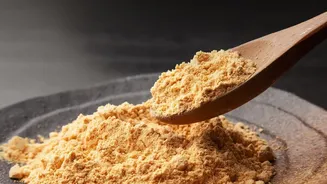
Creating your own seed powder is incredibly simple and takes just a few minutes. You can make a batch and store it for weeks. 1. Choose Your Seeds: Start with a mix of two or three seeds from the list above, such as pumpkin, sunflower, and flax seeds. 2. Gentle Roasting (Optional but Recommended): Lightly dry roast the seeds in a pan on low heat for 3-5 minutes. This enhances their nutty flavour and removes any moisture, which helps with grinding and preservation. Be careful not to burn them. Let them cool completely. 3. Grind to a Powder: Transfer the cooled seeds to a blender or spice grinder. Pulse a few times until you get a coarse or fine powder, depending on your preference. Don't over-blend, as the natural oils can turn it into a paste. 4. Add to Batter: The magic step! For every 1 litre of idli or dosa batter, start by adding 3 to 4 tablespoons of your seed powder. Mix it in thoroughly. The powder integrates seamlessly without significantly changing the taste or the fermentation process. You can adjust the quantity based on your taste.
More Than Just Morning Fullness
The benefits of this simple habit extend beyond just feeling full until lunch. Starting your day with a protein- and fibre-enhanced meal contributes to better overall dietary quality. It can reduce cravings for sugary or high-fat snacks later in the day, a phenomenon observed in studies on high-protein breakfasts. This steady release of energy supports better focus and mood throughout your morning. It’s a small change that sets a positive nutritional tone for the entire day, helping you meet your health goals without sacrificing the traditional foods you love. By making this one small tweak, you are actively improving the nutritional profile of your meal, making every bite count towards better health.