



The Sweet-and-Savory Logic
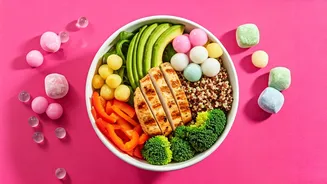
At first glance, the combination might sound strange. Boba tea is a sweet treat, and mochi is often a dessert. Protein bowls, on the other hand, are the picture of health: lean protein, fresh vegetables, and a wholesome grain or green base. But the magic
here lies in the contrast. Think of it like adding a sweet-and-sour sauce or a sprinkle of dried cranberries to a salad. The addition of chewy boba or soft, pillowy mochi introduces a delightful textural surprise and a hint of sweetness that can elevate a standard savory bowl into something truly special. It transforms a routine meal into an experience, satisfying the part of your brain that craves novelty and indulgence while still delivering the nutrients your body needs. It’s less about overhauling your diet and more about finding small, joyful ways to make healthy eating sustainable and fun.
Choosing the Right Boba
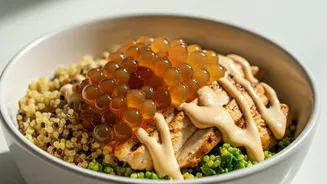
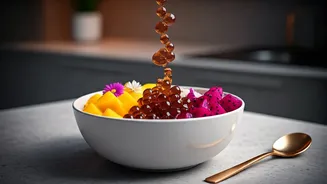
Not all boba is created equal for this purpose. The super-sweet, syrup-drenched tapioca pearls from your favorite milk tea shop might be too overpowering. For a protein bowl, you want the texture more than the sugar. Look for plain, uncooked boba pearls (tapioca pearls) online or at an Asian grocery store. They are simple to prepare—most just require a quick boil in water for a few minutes until they are soft and chewy. Once cooked, drain them and rinse with cold water to stop the cooking process. You can toss them in a tiny amount of honey or maple syrup for a touch of sweetness, but for a savory bowl, they are fantastic plain. This gives you complete control over the sugar content and allows the boba’s unique, springy texture to shine without clashing with the other flavors in your bowl.
Mastering the Mochi
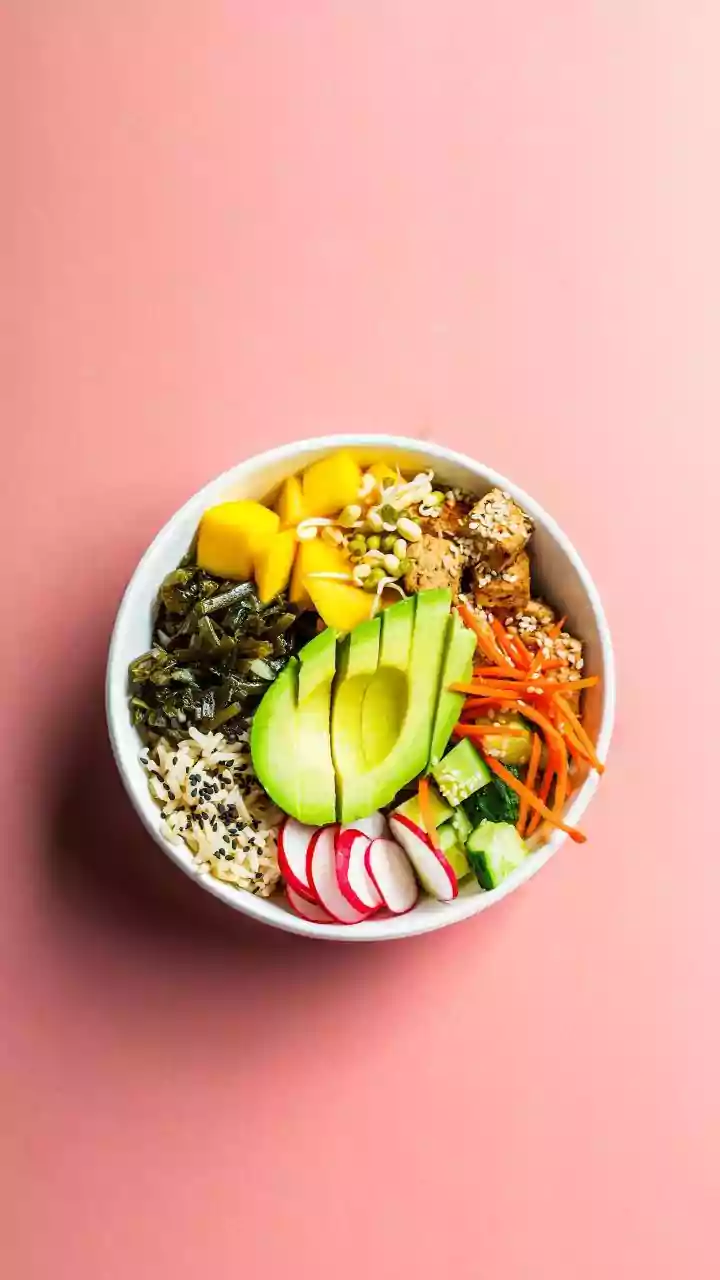
Mochi offers a different kind of chew—soft, glutinous, and satisfying. Like boba, the key is to choose the right kind. You’re not looking for the large, ice-cream-filled daifuku mochi here. Instead, seek out smaller, simpler versions. Plain or lightly sweetened mochi cubes, often sold in the refrigerated or dry goods section of Asian markets, are perfect. They can be diced into smaller, bite-sized pieces and scattered over your bowl like croutons. The gentle, starchy sweetness of the rice cake provides a wonderful counterpoint to savory elements like soy-marinated tofu, spicy tuna, or grilled chicken. The soft texture contrasts beautifully with crunchy vegetables and crisp greens, adding another layer of sensory engagement to your meal. If you can only find filled mochi, opt for simple fillings like red bean or peanut, and use them sparingly.
Building a Balanced Bowl
Success with this trend is all about balance. Since you’re introducing a sweet or starchy element with boba or mochi, adjust the rest of your bowl accordingly. If you’re adding mochi, you might want to skip or reduce other carb-heavy bases like rice or quinoa. A bed of mixed greens or zucchini noodles would be a great alternative. For the sauce, consider flavors that pair well with a hint of sweetness. A tangy ponzu, a savory peanut-lime dressing, or a spicy ginger-scallion oil will complement the chewy additions far better than a creamy ranch or a heavy cheese-based sauce. The goal is to create harmony. Think of the boba or mochi as a “finishing touch” rather than a main ingredient. A small spoonful of boba or a few pieces of diced mochi are all you need to get the desired effect.
Simple Combinations to Get Started
Feeling overwhelmed? Here are a couple of no-fail ideas to spark your creativity: **Spicy Salmon Poke Bowl with Mochi:** Start with a base of mixed greens. Top with sushi-grade salmon tossed in a spicy mayo or soy-ginger sauce. Add sliced avocado, cucumber, edamame, and a sprinkle of furikake. Finish with a few pieces of diced, plain mochi for a soft, chewy contrast to the crunchy veggies. **Teriyaki Chicken Bowl with Boba:** Use a base of steamed broccoli or cauliflower rice. Add grilled chicken glazed with a savory teriyaki sauce. Garnish with shredded carrots and sesame seeds. Finally, add a spoonful of plain, cooked boba pearls. Their springy texture works surprisingly well with the tender chicken and the savory-sweet glaze.