


Emerald Hills and Roaring Waterfalls
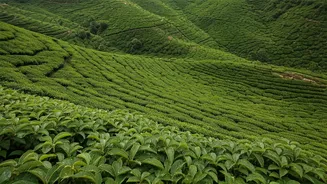
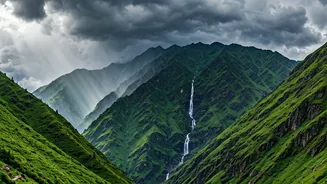
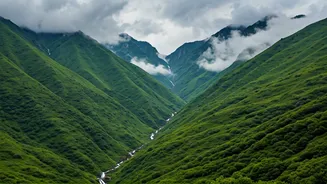
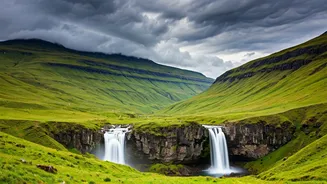
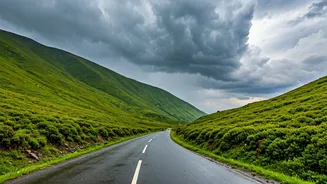
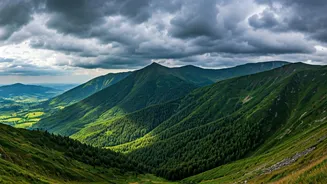
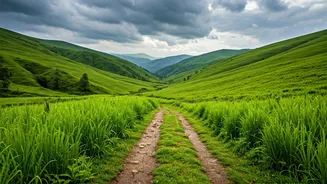
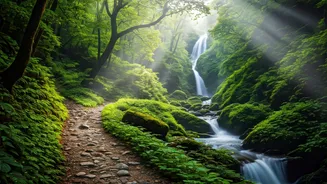
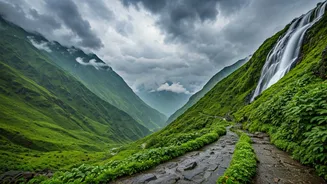
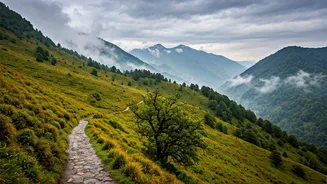
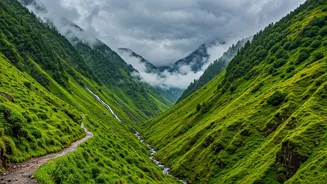
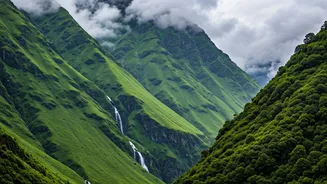
Forget the summer landscape; the monsoon transforms the Himalayan foothills into a spectacle of green. States like Himachal Pradesh and Uttarakhand shed their dusty summer coats and don a vibrant, emerald cloak. The rain breathes life into everything,
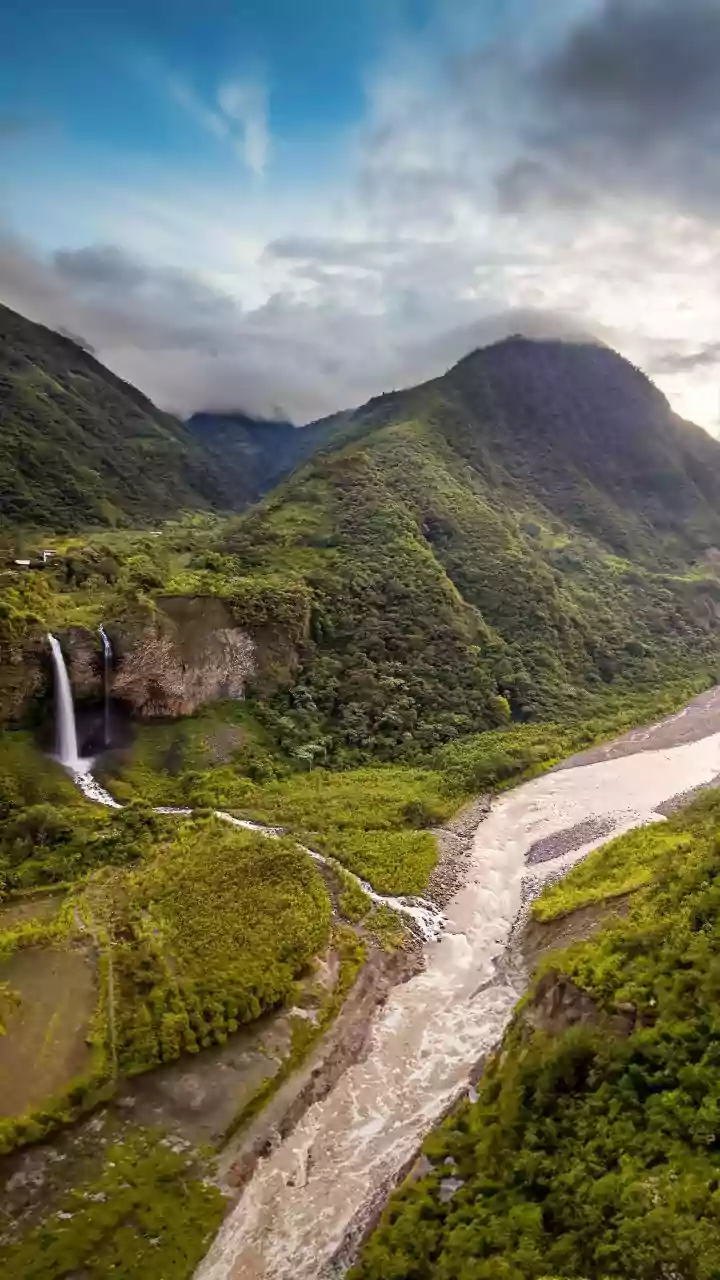
washing the pine needles clean and turning valleys into lush carpets of foliage. This is the season when waterfalls, which are mere trickles in May, become roaring cascades. Destinations like Manali, Dharamkot, and Mussoorie offer breathtaking views of mist-covered hills and a landscape so intensely green it feels like a different world. [10] The air is crisp, clean, and carries the scent of wet earth and pine—a sensory experience that summer travellers often miss.
The Valley of Flowers in Full Bloom
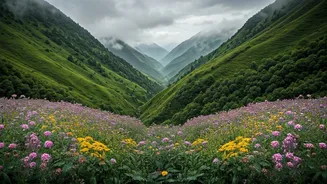
For nature lovers and trekkers, there is one destination that makes a monsoon trip to the North non-negotiable: the Valley of Flowers National Park in Uttarakhand. [10] This UNESCO World Heritage Site is only open from June to October, and its peak floral bloom happens right in the middle of the rainy season, from mid-July to late August. [4, 6] During this window, the high-altitude valley becomes a vibrant mosaic of over 600 species of alpine flowers, including the elusive blue poppy and Brahma Kamal. [6, 7] The monsoon rains trigger this spectacular botanical event, creating a landscape that truly looks like heaven on earth. The 2026 season is expected to be particularly vibrant, making it a bucket-list trek for many. [8]
The Allure of the Off-Season
One of the biggest draws of a monsoon mountain holiday is the peace and quiet. The summer vacation rush is over, and the tourist crowds are significantly thinner. [21, 26, 27] This translates to a more relaxed and authentic experience. You can wander through near-empty mall roads, find a seat at the most popular cafes without a wait, and enjoy major attractions without jostling for space. [27] This quiet season also brings economic benefits; hotels and homestays often offer significant discounts, making a luxury stay suddenly affordable. [21, 26] It’s a chance to experience popular destinations like Shimla, Kasauli, or Rishikesh on your own terms, with the freedom to be spontaneous. [14, 26]
Cosy Retreats and Culinary Comforts
There's a certain magic to being curled up in a cosy mountain cafe with a book and a steaming cup of chai as the rain patters outside. The monsoon encourages a slower, more introspective pace of travel. It’s the perfect time to explore the burgeoning cafe culture in places like Dharamkot, Old Manali, and Rishikesh. You can spend hours sampling everything from hot Tibetan momos and thukpa to freshly baked apple crumble. The cool, damp weather is the perfect excuse to indulge in comfort food. Many travellers come to the hills not for adrenaline-fueled adventures, but for this very reason: to unwind, read, write, and simply watch the clouds roll by from a comfortable, dry perch.
A Note on Safety
While the monsoon in the Himalayas is magical, it also demands respect and caution. The season is notorious for landslides, flash floods, and blocked roads, particularly in regions like Himachal Pradesh and Uttarakhand. [15, 16, 18] It is crucial to stay informed about weather forecasts and road conditions before and during your trip. [17, 20] Always choose reputable accommodations away from high-risk zones like riverbanks, keep your itinerary flexible with buffer days for potential delays, and listen to the advice of local authorities and residents. [13, 17] Opting for more accessible towns over remote, high-altitude passes can offer the same monsoon charm with significantly lower risk. [15]