





The New Rule: 30 Days Visa-Free
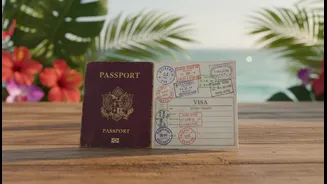
Thailand has updated its visa policy for tourists from several countries, including India. After a period of uncertainty, the Thai government confirmed it will continue to offer visa-free entry to Indian passport holders. However, the biggest change is the duration:
the maximum permitted stay under this scheme has been reduced from 60 days to 30 days. This decision was made to balance tourism promotion with national security and to better align the visa rules with the typical travel patterns of most visitors. For the majority of Indian tourists, who often visit for holidays lasting between five and ten days, this 30-day limit is more than sufficient for a memorable trip.
Why the Change?
The Thai cabinet's decision on July 14, 2026, was part of a broader revamp of its visa framework. The government announced it was withdrawing a previous 60-day visa exemption that was available to 93 countries. The goal is to streamline immigration policies under a “one country, one entitlement” principle and prevent the misuse of tourist visas for non-tourism activities. There was initial confusion after a proposal in May suggested an end to visa-free access for Indians, which reportedly led to a drop in bookings. Realising the importance of India as a key tourism market, authorities decided to retain the visa-free scheme but with the adjusted 30-day limit. The new rules will officially take effect 15 days after they are published in the Royal Gazette.
Planning Your Itinerary: What a 30-Day Stay Allows
A 30-day window is ample time for an incredible island-hopping adventure. You can comfortably explore multiple regions without feeling rushed. For instance, you could start in Bangkok for a few days of culture and cuisine, fly north to Chiang Mai for trekking and temples, and then dedicate a full two weeks to exploring the southern islands. This allows enough time to visit popular hubs like Phuket and Krabi before venturing to quieter gems like Koh Lanta or the Similan Islands. The key is planning. With a 30-day limit, you have a solid timeframe for a deep dive into the country’s diverse landscapes, from misty mountains to turquoise waters.
Need More Time? The Destination Thailand Visa (DTV)
For those who dream of a much longer stay, such as digital nomads, freelancers, or those wanting to immerse themselves in cultural activities like Muay Thai, the Destination Thailand Visa (DTV) is the answer. Introduced recently, the DTV is a long-term visa valid for five years with multiple entries. Each entry allows you to stay for up to 180 days (about six months), and you can even apply for a one-time extension of another 180 days from within Thailand. To be eligible, you generally need to be at least 20 years old and show proof of sufficient funds—typically a bank balance of at least 500,000 Thai Baht. This visa is designed for individuals who can support themselves financially while staying in Thailand long-term without working for a local company.
Final Checklist Before You Fly
With these new rules, here’s what Indian travellers should keep in mind. First, your passport must be valid for at least six months from your date of entry. Second, while the 30-day visa-free stay is convenient for most trips, if you plan to stay longer, you must apply for the appropriate visa, like the DTV, before you travel. It's also worth noting that the Visa on Arrival (VoA) option for Indians will be withdrawn to avoid overlapping privileges with the new 30-day visa-exempt entry. Always double-check the latest regulations on the official Royal Thai Embassy website before booking flights and accommodation, as rules can be updated.