



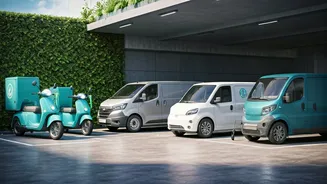


The Green Push on Two Wheels
In a bid to cut emissions and operating costs, major delivery platforms like Zomato, Swiggy, and Blinkit are aggressively promoting a shift to electric vehicles (EVs). Zomato, for instance, aims for 100% electric deliveries by 2030 and, along with its
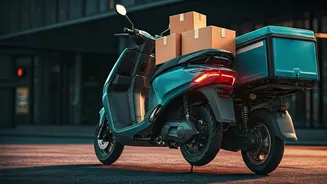
quick-commerce arm Blinkit, already had over 51,000 EV-based delivery partners by early 2025. The logic is sound: EVs offer significantly lower running costs compared to petrol vehicles, with fuel expenses for EVs being 70-81% lower. This can translate into an income boost of up to 18% for a gig worker. Government policies in states like Delhi are also mandating a phased transition to EV fleets for aggregators and delivery services, accelerating this change.
The Hunt for a Power Socket
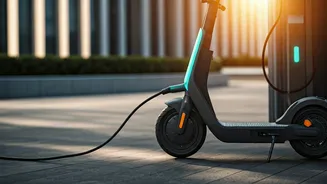
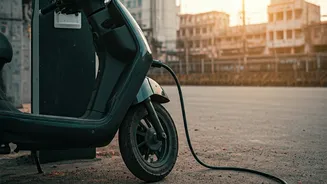
Despite the long-term benefits, the on-ground reality for delivery partners is fraught with new challenges. The primary issue is the inadequate, unreliable, and fragmented charging infrastructure. A 2025 survey of over 2,300 delivery partners revealed that while 71% are willing to switch to EVs, 51% cited the lack of charging or battery-swapping stations as a key barrier. Workers often face "charging anxiety," the fear of running out of power mid-shift. The problem isn't just the number of stations, but their reliability. Many public chargers are non-functional, vandalised, or deliver power at a much slower rate than advertised. One report suggests that only about half of India's installed public chargers were actually operational in early 2024. This forces drivers into a frustrating daily hunt for a working power source.
Time is Money, and Charging Takes Both
For a gig worker, time is literally money. Every minute spent off the road is a minute they aren't earning. The nature of quick commerce, with its 10-minute delivery promises, leaves little downtime for traditional charging, which can take 4-6 hours. While fast-charging and battery-swapping offer quicker turnarounds, they come with their own problems. Finding a compatible and available swapping station can be a challenge due to a lack of standardisation in battery technology. Even fast charging isn't always fast; a 60 kW charger may only deliver 49 kW, prolonging the wait. This downtime directly impacts earnings. As one delivery rider noted, even if you use an EV, you can't earn as much because charging the vehicle reduces your working hours. Operating costs, including fuel or charging, can consume roughly 32% of a driver's gross earnings.
A Patchwork of Solutions
In response, a patchwork of solutions is emerging. Companies like Zomato are hosting "EV Bazaars" to educate partners and connect them with EV manufacturers and financing companies. They have also integrated a 'Rent an EV' feature into their partner apps, which helps riders locate and rent vehicles and find nearby swapping stations. Startups are also stepping in to build charging infrastructure specifically for quick commerce, setting up fast-charging facilities at dark stores. Some services offer battery-swapping, allowing riders to switch a depleted battery for a full one in minutes, ensuring near-100% uptime. However, these solutions are often fragmented and not universally available, especially outside of major metro areas. The high upfront cost of EVs remains a major hurdle, even with financing options, as interest rates can be higher than for conventional vehicles.