







First, Know Your Visa Type
For Indian passport holders, Dubai offers a range of visa options tailored to different travel needs. The most common are tourist visas, which come in several durations: a 30-day single or multiple-entry visa, and a 60-day single or multiple-entry visa.
For very short layovers, 48-hour or 96-hour transit visas are also available. A key point of confusion is the 'visa on arrival'. This is not available to all Indian citizens. You are only eligible for a 14-day visa on arrival if you hold a valid visa or residence permit from the USA, UK, or the European Union, and your passport is valid for at least six months. It's crucial to choose the visa that matches your itinerary to avoid complications.
The Application Maze: Channels and Choices
You cannot apply for a Dubai e-visa directly at an embassy; it must be processed through an authorised sponsor. For most Indian travellers, this means one of three main channels. Firstly, you can apply through airlines like Emirates or Etihad, which often streamline the process if you fly with them. Secondly, you can use a registered and reputable travel agency, either online or offline. These agents handle the submission to the immigration authorities on your behalf. Thirdly, you can use official government portals, though these can sometimes be less user-friendly for first-timers. Each channel has its own service fees and processing times, so it's wise to compare options.
Your Essential Document Checklist
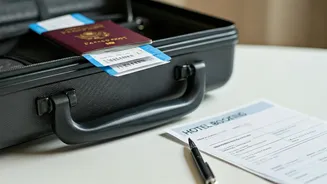
Accuracy and clarity are everything when it comes to your visa documents. A single poor-quality scan can lead to rejection. You will typically need clear, scanned colour copies of the first and last pages of your passport, which must be valid for at least six months from your travel date. You'll also need a recent passport-sized photograph with a white background. Beyond this, be prepared to show confirmed return flight tickets and proof of accommodation, such as hotel bookings. If you're staying with friends or family, you may need their invitation letter and Emirates ID.
Common Pitfalls That Lead to Rejection
Dubai visa rejections are rarely random and often stem from preventable mistakes. The most frequent issue is incomplete or incorrect application forms; even minor spelling mistakes in your name or passport number can cause an automatic decline. Another major red flag is poor-quality documentation, such as blurry photos or unclear passport scans. Authorities also scrutinise your financial stability. While a bank statement isn't always mandatory, if requested, it should show a stable balance, as sudden large deposits just before applying can appear suspicious. A history of overstaying on a previous UAE visa is also a common reason for rejection.
Timing Is Everything: When to Apply
Applying for your visa requires a sense of timing. Most tourist visas are valid for entry for 60 days from the date of issue. Applying too far in advance could mean your visa's entry window closes before your trip begins. On the other hand, applying too late is a significant risk. Standard processing typically takes three to five working days, but it can be longer during peak seasons or if additional verification is needed. Many services offer an express option that can deliver a visa within 24 to 48 hours, but this comes at a higher cost. A safe bet is to apply around 15-30 days before your intended travel date.
Understanding the Costs
The cost of a Dubai visa for Indian citizens varies depending on the visa type, duration, and the service provider you use. As of mid-2026, you can expect to pay approximately ₹7,800 for a 30-day single-entry tourist visa and around ₹13,500 for a 60-day visa. A 30-day multiple-entry visa can cost closer to ₹18,000. Express services will add to the cost. It's important to be wary of agents offering visas at unusually low prices, as this can sometimes be a sign of a scam. Always use authorised and well-reviewed channels for your application and payment.