

A Monsoon Spectacle Unveiled
Jharkhand, a state often associated with minerals and industry, holds countless natural treasures that truly come alive during the monsoon. While established names like Patratu Valley and the waterfalls near Ranchi have long been favourites, a new contender
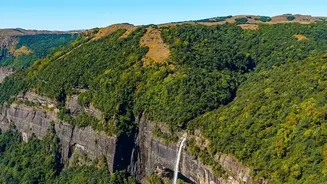
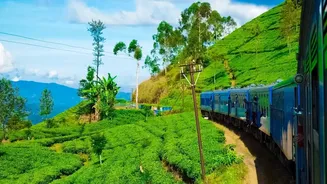
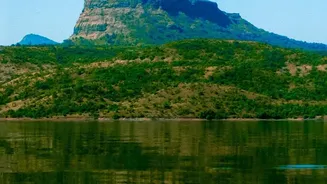
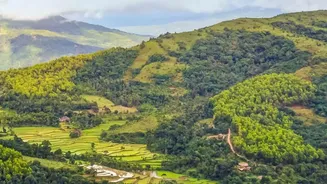
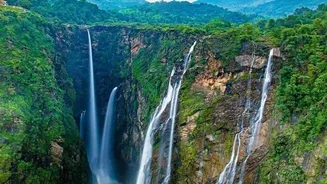
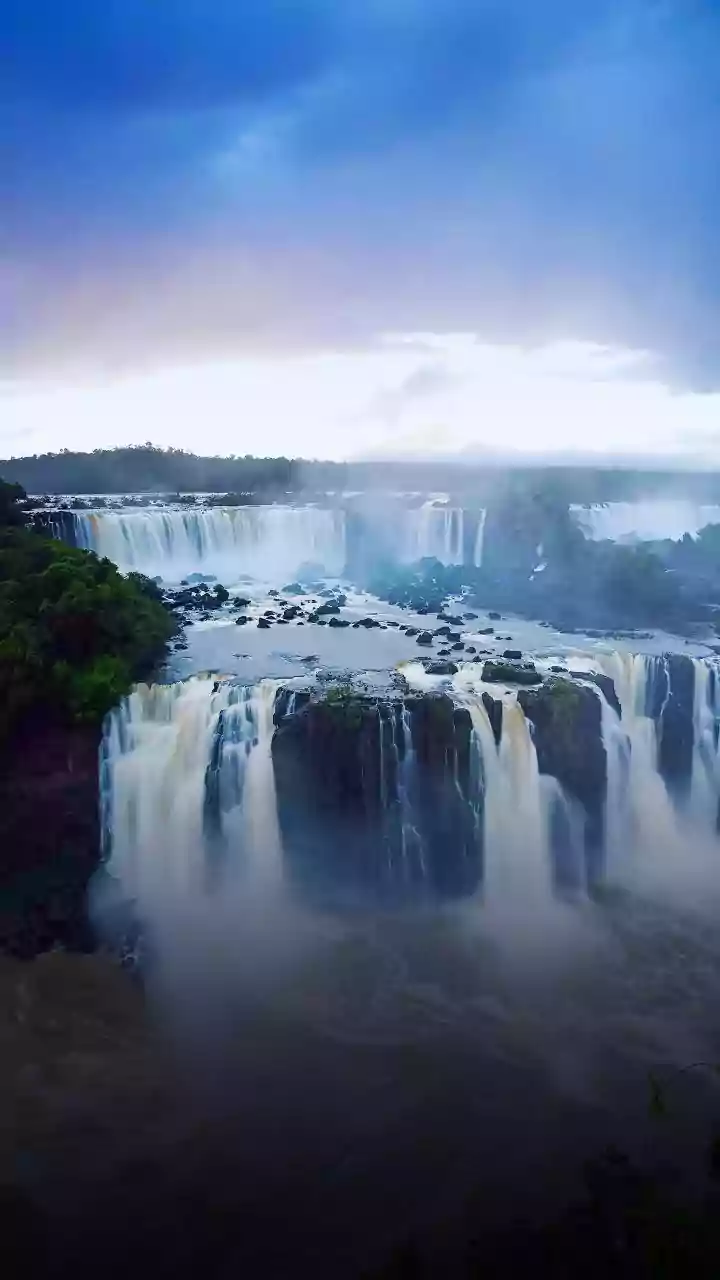
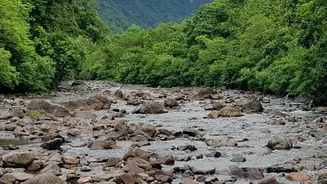
is capturing the imagination of nature lovers. Sevati Valley, located in the Kasmar block of Bokaro district near the West Bengal border, has become a breakout star this rainy season. Thanks to a steady monsoon, the valley's main waterfall is currently a magnificent sight, gushing down a hillside of dense, vibrant greenery. The scene is so captivating, with mist-covered hills and roaring streams, that travellers are making special trips and motorists are pulling over just to soak in the view. This seasonal transformation has turned the relatively quiet valley into a bustling spot for photographers and weekend explorers seeking a fresh destination.
What Makes Sevati Valley Special
The primary allure of Sevati Valley, also known as Sewati Ghati, is its raw, untamed beauty. Unlike more developed tourist spots, it offers an unfiltered connection with nature. The main attraction is a powerful waterfall that becomes a formidable cascade during the rains, creating a stunning contrast of white water against the emerald landscape. This makes it an ideal spot for landscape photography and for anyone looking to witness the powerful beauty of the monsoon in the Chotanagpur Plateau region. The area around the falls is perfect for short, exploratory treks, though the terrain can be challenging during the rains. The official district website also notes its potential for trekking and picnicking, highlighting its serene environment away from the urban hustle. It’s this combination of dramatic scenery and peaceful ambiance that defines the valley's unique appeal.
Part of Jharkhand’s Larger Tourism Vision
The growing interest in Sevati Valley aligns perfectly with Jharkhand's broader push to establish itself as a premier nature and eco-tourism destination. The state is home to a wealth of natural attractions, from the famous Hundru and Dassam falls to the scenic drives of Patratu and the pristine forests of Netarhat. The government has been vocal about promoting these assets to showcase a side of Jharkhand beyond its industrial identity. Sevati Valley represents the kind of untapped potential that the state hopes to cultivate. While it is listed on the district’s tourism map, the recent surge in visitors has highlighted a significant gap in infrastructure. This presents both a challenge and an opportunity for sustainable development that can cater to tourists while benefiting local communities.
Planning Your Visit: What to Know
If you're planning a trip to witness the monsoon magic of Sevati Valley, it's best to go prepared. The valley is located about 50 kilometres from the Bokaro district headquarters and is accessible by road. The nearest major railway station and bus stand are in Bokaro, while the closest airport is Ranchi’s Birsa Munda Airport. While the official tourism portal suggests October to March as the ideal time for trekking, the waterfalls are at their most spectacular from July to September. Visitors should be aware that facilities are currently minimal. Locals have called for the development of basic amenities like safety railings, proper seating areas, and sanitation facilities. For now, this means you should carry your own water and snacks, wear sturdy footwear suitable for wet and uneven ground, and be mindful of the natural environment. The experience is rustic, but for those seeking authentic natural beauty, it's a small price to pay.