








The Countdown to Launch and Hiring
In a significant move that signals a transition from development to full-scale commercial operations, Skyroot Aerospace is actively recruiting for numerous technical positions. This expansion comes as the company prepares for the maiden flight of its
Vikram-1 rocket, scheduled for as early as July 18, 2026. The mission, named 'Aagaman' (Arrival), is not just a test flight; it's the formal arrival of India's private sector into the global orbital launch market. The hiring spree is essential to support a planned increase in production, with the company aiming to achieve a manufacturing capacity of one rocket per month. This aggressive scaling is a clear indicator of Skyroot's confidence in its technology and its readiness to compete on the world stage.
Meet Vikram-1: India's Private Workhorse
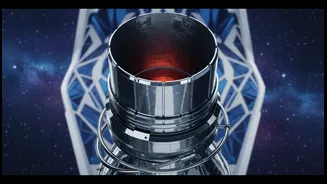
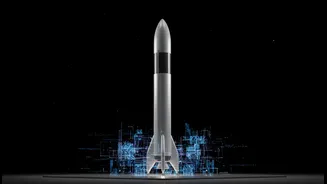
Named in tribute to Dr. Vikram Sarabhai, the father of India's space program, Vikram-1 is a seven-story, multi-stage launch vehicle. It's designed specifically to cater to the booming small satellite market, capable of placing payloads of up to 350 kg into low Earth orbit. What makes Vikram-1 noteworthy is that it's the first orbital-class rocket to be entirely designed and developed by a private Indian company. Built using a lightweight all-carbon composite structure and powered by in-house developed propulsion systems, including 3D-printed engines, the rocket is engineered for rapid, reliable, and cost-effective launches. This focus on on-demand service is what Skyroot believes will give it an edge, offering satellite operators a dedicated 'cab to orbit' rather than having to 'rideshare' on a larger rocket.
The Talent Powering the Mission
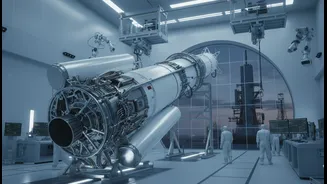
The call for talent is broad and highly specialized, reflecting the complexity of rocket science. Open roles span a wide range of engineering disciplines, primarily based at the company’s expansive campuses in Hyderabad. Skyroot is looking for experts in avionics, structural engineering, propulsion, and software reliability. Job postings reveal a need for industrial engineers to streamline manufacturing, hardware quality engineers to ensure zero-defect systems, and lead engineers with deep experience in thermal and structural analysis. The company is also hiring for roles in CNC programming, tools design, and for specialists with LabVIEW knowledge. This recruitment drive targets everyone from freshers to seasoned professionals with over a decade of experience, indicating a comprehensive strategy to build a deep and versatile team.
A New Era for Indian Space
Skyroot's expansion is a landmark event within a much larger story: the liberalization of India's space sector. Policy reforms since 2020, including the establishment of IN-SPACe, have created a framework for private companies to participate in and drive space activities. Previously, private firms were largely limited to being suppliers for the Indian Space Research Organisation (ISRO). Today, they can design, build, and launch their own rockets, using ISRO's world-class facilities. This public-private partnership is designed to help India capture a larger share of the global space economy, which is projected to grow significantly. Companies like Skyroot, now a unicorn valued at over $1.1 billion, are at the forefront of this new era, turning India into a hub for high-performance, innovative space technology.
Why This Moment Matters
The successful launch of Vikram-1 and the scaling of Skyroot's operations represent more than just a corporate milestone. It’s a powerful demonstration of India's 'Atmanirbhar Bharat' (self-reliant India) vision in a high-stakes, high-tech domain. By developing a domestic, private launch capability, India reduces its reliance on foreign launch providers and can offer competitive services to other nations. For the wider economy, this burgeoning industry promises to create thousands of high-skilled jobs and foster a robust ecosystem of suppliers and innovators. The journey from a state-led program to a dynamic public-private ecosystem is reaching a critical inflection point, with Skyroot's hiring and launch schedule setting a bold pace for the future of space exploration from Indian soil.