






Start with a Realistic Mindset
First, it's important to understand what plants can and cannot do. The famous 1989 NASA Clean Air Study showed that certain plants could remove volatile organic compounds (VOCs) like benzene and formaldehyde from sealed chambers. However, our homes are
not sealed labs. Recent research suggests you would need a very large number of plants—some estimate between 10 to 1000 per square metre—to match the air-cleaning capacity of good ventilation or a HEPA filter. So, while plants alone won't solve the problem of PM2.5 or heavy pollution, they are a fantastic supplementary tool. They help remove some chemical toxins, improve humidity, and boost mental well-being, making them a valuable part of a broader clean-air strategy at home.
Choose Your Green Warriors Wisely
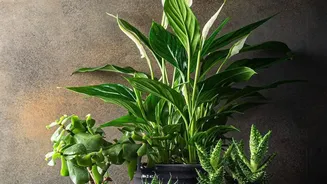
Not all plants are created equal when it comes to air purification. For Delhi homes, you want hardy plants that are effective and easy to maintain. The Snake Plant is a champion, known for being nearly indestructible and for releasing oxygen at night, making it perfect for bedrooms. The Areca Palm is another excellent choice; it acts as a natural humidifier, a great benefit during dry winter months, while filtering common toxins. Also consider the Money Plant (Pothos), already a staple in many Indian homes, which is great at removing formaldehyde, and the Peace Lily, which tackles pollutants like ammonia.
Hack 1: Create Plant Clusters
Instead of scattering single plants around your home, group them together. Creating 'green zones' or clusters of plants in areas where you spend the most time—like your living room, bedroom, or home office—can create a more significant localised impact on air quality. A cluster of plants works together to increase humidity and process more airborne toxins in a concentrated area. This approach is more effective than having one isolated plant in each room. For a standard-sized room, some studies suggest that having five to ten plants can lead to noticeable improvements in air quality.
Hack 2: Location and Placement Matter
Where you place your plants is crucial. Position plants near sources of pollution. For example, place Areca Palms or Peace Lilies near new furniture or painted walls, which can release formaldehyde. The Spider Plant is effective at filtering carbon monoxide, making it a good addition near kitchens. To create a multi-layered defence, use a mix of tall plants like palms, medium-sized shrubs, and smaller plants on shelves or in hanging baskets. This strategy maximizes leaf surface area to better trap dust and absorb pollutants.
Hack 3: Keep Your Plants Clean and Healthy
A dusty plant cannot do its job effectively. Dust and grime clog the pores on leaves (stomata), which are essential for absorbing airborne pollutants and carbon dioxide. Make it a habit to gently wipe the leaves of your plants with a damp cloth every week or two. This simple act keeps them healthy, photosynthesizing efficiently, and allows them to purify the air at their full potential. Also, ensure the soil is healthy. Microbes in the potting soil also play a role in breaking down toxins, so exposing the soil surface can aid in the purification process.
Hack 4: Focus on Night-Time Purifiers
Improving air quality while you sleep is vital for restorative rest. Most plants release oxygen during the day through photosynthesis. However, some, like the Snake Plant and Aloe Vera, continue this process at night. They absorb carbon dioxide and release oxygen after sundown, making them ideal companions for the bedroom. Placing a couple of these plants on your bedside table or in a corner of the room can help maintain a healthier air environment throughout the night, contributing to better sleep during peak pollution season.