





A Digital Lifeline from the Stars
When Russia launched its full-scale invasion in 2022, one of its first objectives was to dismantle Ukraine's communication systems through cyberattacks and physical strikes. In response, SpaceX, led by Elon Musk, activated its Starlink satellite internet
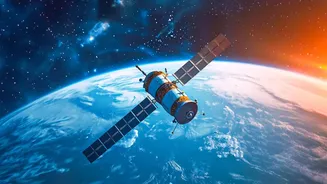
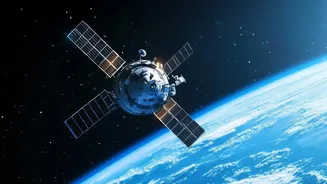
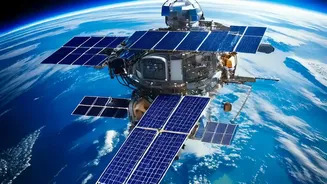
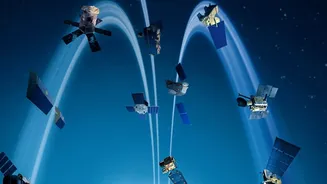
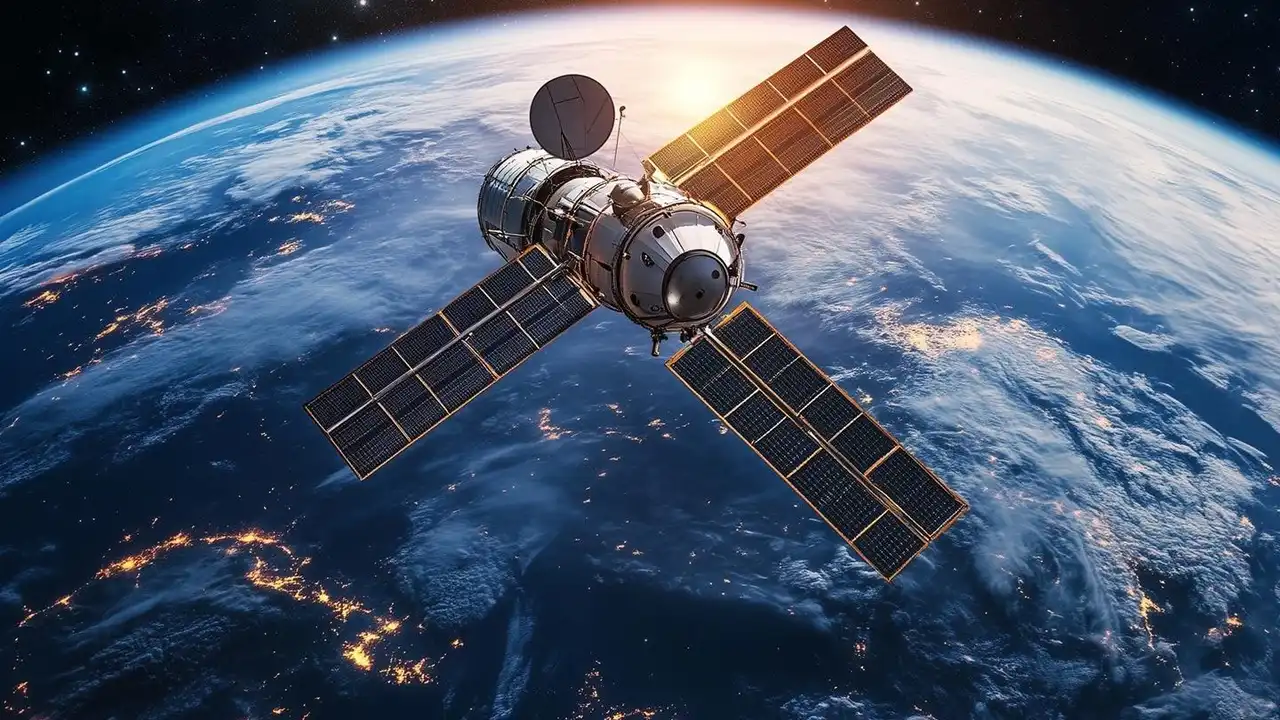
service over the country. Starlink is a constellation of thousands of small satellites in low-Earth orbit that provide internet access via portable ground terminals. For Ukraine, it was a game-changer. The service quickly became the backbone of military communications, allowing troops to coordinate, guiding drones for reconnaissance and strikes, and enabling artillery targeting. It also provided a vital link for civilians and the government, ensuring President Volodymyr Zelenskyy could communicate with the world. The technology was so integral that the US Department of Defense eventually signed a contract with SpaceX to ensure its continued provision for Ukrainian forces.
The Flashpoint of Control
The relationship, however, has been fraught with tension. A significant controversy arose when it was revealed that Musk had personally refused a Ukrainian request to extend Starlink coverage to the coast of occupied Crimea for a planned drone attack on Russia's naval fleet. His decision, reportedly driven by a fear of nuclear escalation, effectively thwarted the operation, with Ukrainian drones losing connectivity and washing ashore. More recently, in October 2026, Ukrainian officials reported sudden restrictions on Starlink's military-grade version, Starshield. These limitations reportedly throttled connectivity for terminals moving at high speeds (over 160 km/h), directly impeding the use of fast-moving drones crucial for both offensive strikes and intercepting Russian attacks. Ukrainian forces were forced to cancel missions, highlighting their dependence on a system they do not control.
The Billionaire's Dilemma
These incidents have ignited a global debate about the role of private individuals and companies in modern warfare. Musk has stated that Starlink is a commercial, civilian network not meant for offensive military actions. He has tried to distinguish it from Starshield, which is designed for government and military use and, according to him, is ultimately controlled by the US government. However, since both systems rely on the same satellite infrastructure, the lines are blurry. The core issue is that a single CEO's decisions, based on personal ethics or geopolitical fears, can have immediate tactical consequences on the battlefield. This places a private citizen in the position of a powerful geopolitical actor, able to make choices that were once the exclusive domain of sovereign states and military commanders. It raises profound questions about accountability and control when a commercial service becomes indispensable to a nation's security.
A New Battlefield Precedent
The situation in Ukraine is not an isolated case but a stark illustration of a broader trend: the deep integration of commercial technology into national security. Militaries worldwide, including in India, are increasingly reliant on private sector innovation, from satellite imagery to artificial intelligence and communication networks. These 'dual-use' technologies offer incredible capabilities at a speed and scale that government programmes often cannot match. But the Starlink saga reveals the inherent vulnerability of this model. When a military builds its operational strategy around a technology it does not own or ultimately control, it cedes a degree of sovereignty. A corporate policy change, a CEO's personal intervention, or a shift in diplomatic winds can suddenly cripple critical defence capabilities, as seen with the speed restrictions on Ukrainian drones. This dependency creates a new form of strategic risk that nations must now navigate.