






The Cold-Pressed Advantage
Before we dive into specific oils, let's understand why 'cold-pressed' is more than just a buzzword. Unlike refined oils, which are processed with high heat and chemicals, cold-pressed oils are extracted using a mechanical press at low temperatures. This
gentle method preserves the natural nutrients, antioxidants, rich flavour, and aroma of the seeds. While refined oils often have a higher smoke point, cold-pressing ensures you get an oil that is less processed and full of its original character, enhancing the taste of your food.
Mustard Oil: The Pungent Powerhouse
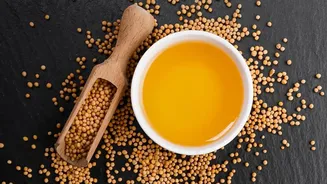
Known for its sharp, pungent aroma and flavour, mustard oil (or 'sarson ka tel') is a cornerstone of North and East Indian cuisines. Its distinctive kick is essential for authentic Bengali dishes like Shorshe Ilish (hilsa in mustard sauce) and Bihari Litti Chokha. It's also the traditional choice for making pickles across India, as its natural preservative properties are highly valued. Cold-pressed mustard oil has a relatively high smoke point, making it excellent for frying fish, pakoras, and tempering dals. To get the best results, many traditional cooks heat the oil until it is lightly smoking to mellow its pungency before adding other ingredients.
Sesame Oil: The Nutty Staple of the South
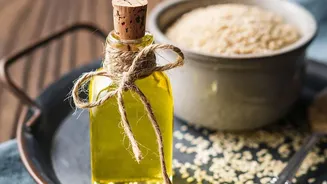
Sesame oil, known as 'til ka tel' or 'gingelly oil', is cherished for its rich, nutty flavour, especially in Southern India. It's the secret behind the aromatic tempering (tadka) for dishes like sambar and rasam, and it gives a distinctive taste to rice dishes like puliyodarai (tamarind rice) and various chutneys. There are generally two types: light, un-toasted sesame oil used for regular cooking and frying, and a darker, toasted version used as a finishing oil for flavour. In Ayurveda, it's considered a 'warming' oil, making it popular in North Indian winter recipes as well. Its robust flavour profile makes it a perfect companion for the bold spices found in South Indian cooking.
Groundnut Oil: The Versatile All-Rounder
Groundnut oil, also known as peanut oil, is a versatile, everyday cooking medium popular in Western and Southern India, particularly in Gujarat, Maharashtra, and Tamil Nadu. With a mild, nutty flavour that doesn't overpower dishes, it is an excellent all-purpose oil. One of its biggest advantages is its high smoke point, which makes it one of the best and safest oils for deep-frying snacks like samosas, vadas, and bhajis. It allows the food to become crispy without absorbing excess grease. Its neutrality also makes it suitable for everyday sabzis, dals, and stir-fries, where you want the flavour of the vegetables and spices to shine through.
Pairing Oil with Your Dish
Making the right choice is all about matching the oil's character to your culinary goal. For bold, pungent North Indian or Bengali curries and pickles, reach for mustard oil. When you're preparing South Indian specialities like tamarind rice or a flavourful tempering, sesame oil is your best bet. For deep-frying or daily cooking where you need a neutral-tasting workhorse, groundnut oil is the perfect choice. By rotating these oils based on the regional dish you're making, you not only add authentic flavour but also introduce a variety of healthy fats and nutrients into your diet.