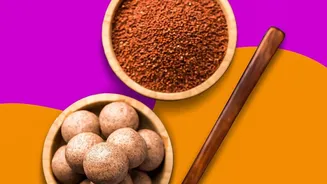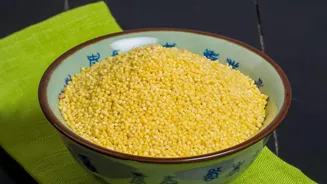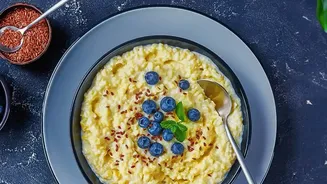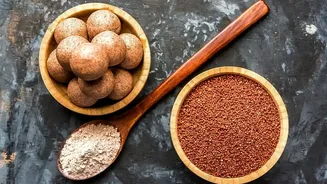






In the race for a healthy yet convenient lifestyle, an ancient grain is making a spectacular comeback. Millets, once a rustic staple, are now being reinvented by food brands into ready-to-eat formats for time-pressed urban consumers in India.
The Great Indian Millet Revival
For years,
millets like ragi, jowar, and bajra were overshadowed by wheat and rice. Traditional preparation is often time-consuming, involving soaking, grinding, and slow cooking—a tough sell for anyone juggling deadlines and long commutes. However, a powerful shift is underway. Driven by a surge in health consciousness and a government push, including the celebration of 2023 as the International Year of Millets, these 'nutri-cereals' are back in the spotlight. Consumers are increasingly aware of their benefits: they are gluten-free, high in fibre and protein, and have a low glycemic index, making them ideal for managing lifestyle diseases. This growing demand has created a massive opportunity that food companies are eager to capture.
Convenience Is the New Currency
The biggest hurdle for millet consumption in cities has always been the preparation time. Recognizing this, brands have focused on one thing: convenience. The modern urban kitchen is all about quick, easy, and healthy solutions. Food companies are bridging this gap by transforming millets into formats that fit seamlessly into a busy day. This means creating products that require minimal effort—just add hot water, heat for a few minutes, or simply open a packet. The goal is to make eating millets as easy as making instant noodles or pouring a bowl of cornflakes, thereby removing the primary barrier for adoption among working professionals and nuclear families.
From Breakfast to Midnight Snacks
The innovation in the ready-to-eat (RTE) millet space is exploding. For breakfast, brands like MTR and Tata Soulfull offer instant upma, poha, dosa, and idli mixes made with ragi and other millets. These products promise a hot, traditional breakfast in just three to five minutes. Beyond the morning rush, millets are conquering other meal times. You can now find millet-based noodles, pasta, and heat-and-eat biryani and khichdi. The snacking category has seen the most creative adaptations. Shelves are now stocked with ragi puffs, jowar chips, bajra namkeen, millet cookies, and energy bars from brands like Slurrp Farm, Millet Amma, and Millet Magic, turning what was once a 'rustic' grain into a modern, guilt-free indulgence.
Big Brands and Startups Join the Fray
The millet market is attracting players of all sizes. FMCG giants like Tata Consumer Products (with its Soulfull brand), MTR (owned by Orkla), and ITC are leveraging their vast distribution networks to take millet products mainstream. Tata Soulfull, for instance, has successfully positioned ragi_based snacks and breakfast cereals in major supermarkets and quick_commerce apps. Simultaneously, a host of agile startups are making their mark. Brands such as Slurrp Farm, which focuses on children's nutrition, and Millet Magic, targeting working professionals, are building strong followings through targeted products and savvy digital marketing. These smaller brands often lead with compelling stories about health, organic sourcing, and sustainability, resonating deeply with conscious consumers.
While the trend is promising, challenges remain. The premium pricing of some RTE millet products can be a barrier for wider adoption. There's also the task of winning over palates accustomed to the softer textures of wheat and rice. Brands are constantly working to improve taste and shelf life to make the switch easier for consumers. Furthermore, as the market grows, ensuring that 'healthy' processed foods retain their nutritional integrity will be crucial for maintaining consumer trust. The industry is responding by offering targeted products, such as high_protein muesli or probiotic_enhanced options, to meet specific wellness goals.