





Meet Maharashtra's Winning Trio
For the first time, beaches from Maharashtra have secured a spot on the globally recognised list. The three beaches to earn this prestigious eco-label are all located in the scenic Konkan region: Ladghar and Guhagar in Ratnagiri district, and Shrivardhan
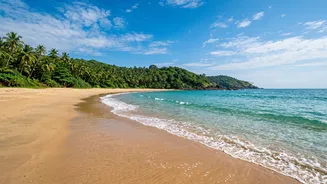
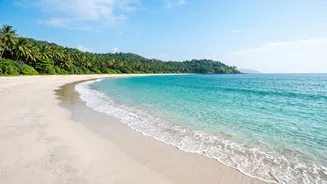
in Raigad district. Ladghar, known for its reddish sands and dolphin-spotting tours, offers a unique coastal experience. Guhagar is famed for its long, pristine stretch of white sand lined with casuarina trees, while Shrivardhan is celebrated for its tranquil, crescent-shaped shoreline ideal for swimming. This recognition puts these specific locations, and the Konkan coast at large, on the international map for environmentally conscious travellers.
So, What Is the 'Blue Flag'?
Think of the Blue Flag as a gold standard for beaches. It's a voluntary, internationally recognised eco-label awarded by the Foundation for Environmental Education (FEE), a non-profit organisation based in Denmark. A Blue Flag waving at a beach, marina, or tourism boat signifies that it has met some of the world's most stringent standards for environmental management, safety, and sustainability. It's not a permanent award; certifications are granted for a single season at a time, and each site must re-apply and re-qualify annually. This ensures that the high standards are consistently maintained, offering visitors a guarantee of quality and cleanliness.
The Rigorous Road to Recognition
Earning a Blue Flag is no easy feat. Beaches are evaluated against more than 30 strict criteria divided into four main pillars. The first is 'Bathing Water Quality', which requires repeated testing to ensure the water is free from sewage, industrial pollution, and harmful bacteria. The second, 'Environmental Management', involves protocols for waste segregation, recycling, and overall cleanliness. The third pillar is 'Environmental Education and Information', requiring the display of information about local ecosystems and codes of conduct. Finally, 'Safety and Services', mandates the provision of lifeguards, first-aid facilities, and accessible infrastructure for all visitors. The successful certification of Ladghar, Guhagar, and Shrivardhan is a testament to the dedicated efforts in meeting every one of these benchmarks.
A Boost for Sustainable Tourism
This achievement is much more than just a certificate. For Maharashtra, it's a significant milestone that enhances its identity on the global tourism map. State officials have hailed the award as a validation of their commitment to environmental conservation and sustainable development. The Blue Flag status is expected to attract more discerning tourists who prioritise clean and eco-friendly destinations. This, in turn, can boost local economies and create employment opportunities while promoting a responsible model of tourism. It signals a shift from simply being a tourist spot to becoming a world-class, sustainably managed coastal destination.
India's Growing Blue Wave
Maharashtra's success is part of a larger, positive trend for India's coastlines. With these three additions, India now has 22 Blue Flag certified beaches for the 2026-27 season. This list includes nine new certifications and 13 renewals across the country, from Gujarat's Shivrajpur to Odisha's Golden Beach and Kerala's Kappad. This growing number reflects a nationwide push towards better coastal management, largely supported by the Ministry of Environment's 'Beach Environment and Aesthetic Management Services' (BEAMS) programme. As more beaches join this elite club, it reinforces India's commitment to protecting its marine environments while offering pristine coastal experiences to both domestic and international visitors.