

The Foundation: Your Seasonal Star
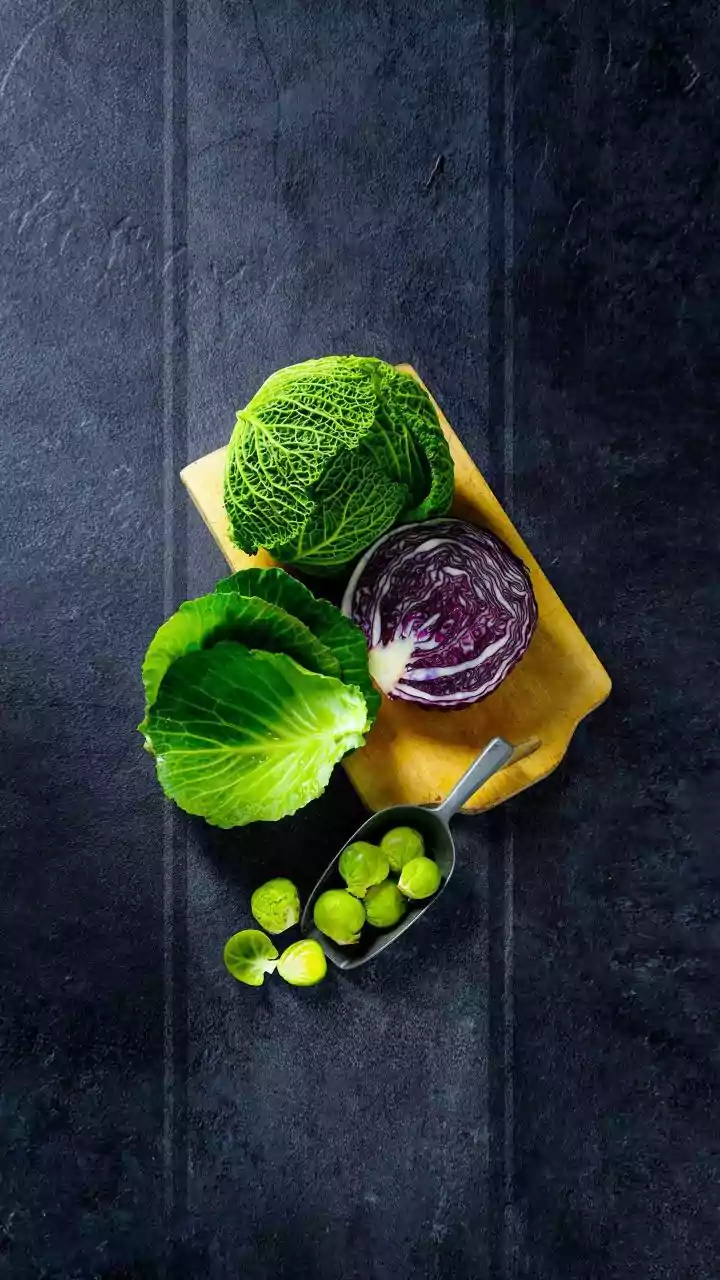
The heart of any great vegetable dish is the vegetable itself. India’s diverse climate offers a bounty of seasonal produce year-round. In summer, you might have an abundance of bhindi (okra), lauki (bottle gourd), and tindora (ivy gourd). The monsoon
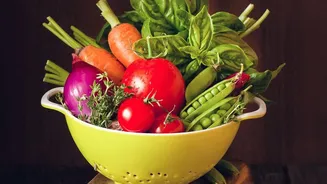
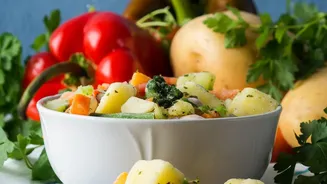
brings corn, cucumbers, and leafy greens, while winter is perfect for carrots, peas, cauliflower, and spinach. The first step in your checklist is always to pick your star player. Building your meal plan around what’s fresh, local, and in season not only guarantees better flavour but is also often more economical. Don’t just think about what you always do with that vegetable; think of it as a blank canvas.
The Technique: How Cuts Change Everything
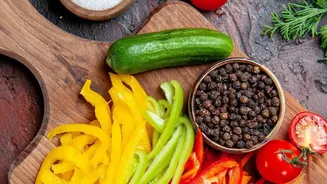
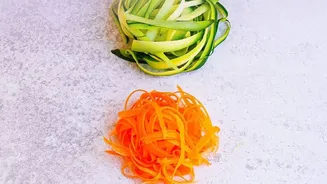
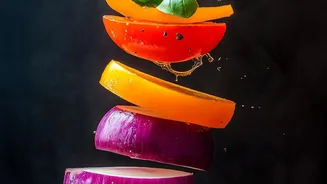
The way you cut a vegetable dramatically impacts its texture and how it cooks. A uniform cut ensures even cooking, so every bite is consistent. Consider the difference between a large cube of potato in a curry versus a finely diced one in a stir-fry. The same vegetable offers two distinct experiences. Aiming for uniform pieces helps maintain consistent texture in your dishes. Common cuts include dicing (small cubes), julienning (thin matchsticks), and slicing into rounds or diagonals. A diagonal cut exposes more surface area, which is great for roasting as it encourages browning. Creating a flat, stable surface on a round vegetable before you begin slicing makes the process safer and easier. By simply changing the cut, you can make an old favourite feel entirely new.
The Method: From Roasting to Steaming
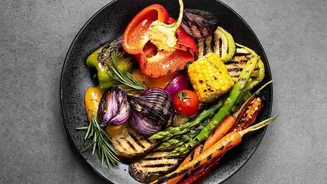
Your cooking method is the next crucial choice. Heat breaks down the cell walls in vegetables, making them tender. The type of heat you apply determines the final flavour and texture. Roasting and grilling use high heat to caramelise the natural sugars, creating deep, savoury notes. Steaming is a gentler method that preserves nutrients and results in a soft texture with a slight bite, making it one of the healthiest options. Sautéing in a little oil gives vegetables a slight crispness, while boiling softens them for mashes and soups. Think about the kind of dish you want. Are you craving the smoky char from a grill, the concentrated sweetness of roasted carrots, or the clean taste of steamed beans?
The Flavour: A World of Seasoning
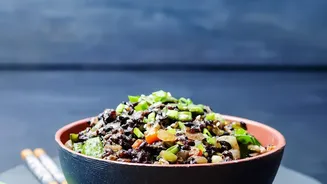
Seasoning is where you can truly get creative. Moving beyond your standard spice box can transform a dish. Group your spices into flavour profiles to make it easier. For a classic North Indian flavour, use garam masala, cumin, and coriander. For a South Indian twist, try mustard seeds, curry leaves, and asafoetida. Don't be afraid to go global. An Italian profile could involve oregano, basil, and garlic, while a simple Pan-Asian seasoning might use soy sauce, ginger, and sesame oil. Even a simple spritz of lemon juice or a sprinkle of chaat masala at the end can brighten and elevate the entire dish. Acids like vinegar and lemon are excellent for cutting through bitterness and tenderising vegetables.
The Finish: Adding That Crucial Texture
The final element that separates a good dish from a great one is texture. Many cooked vegetable dishes can be soft, so adding a contrasting crunch makes each bite more exciting. This can be as simple as topping your sabzi with toasted nuts like almonds or peanuts, or seeds like sunflower or pumpkin. Crispy fried onions or shallots, toasted breadcrumbs, or even crushed roasted papad can add a delightful crunch. For a different kind of texture, consider adding something with a satisfying chew, like paneer cubes, cooked lentils, or chickpeas. A final drizzle of a flavourful oil or a dollop of creamy yogurt can also add another layer of complexity.