
The New Festive Plate
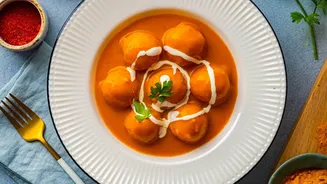
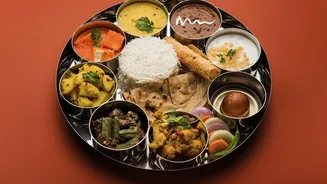
Across India, the festive table is starting to look a little different. While timeless classics like Gulab Jamun and Samosas remain beloved staples, a creative wave is washing over kitchens. Cooks are now deconstructing and reimagining traditional dishes
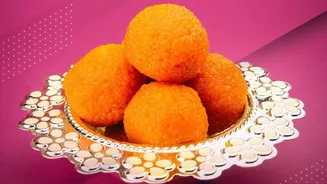
in surprising ways. Imagine a Rasmalai Tres Leches cake, a Motichoor Ladoo parfait, or even a savoury Butter Chicken Wellington. These creations aren't about replacing the old; they are about adding a new chapter to a rich culinary story, blending nostalgic flavours with global techniques and avant-garde presentation.
Drivers of the Delicious Change
This culinary evolution is fuelled by several factors. The rise of social media has turned every home cook into a potential influencer and every dish into 'grid-worthy' content. Platforms like Instagram have become virtual stages for showcasing creative recipes, inspiring millions to experiment. Furthermore, increased global exposure has introduced a world of new ingredients and techniques, from quinoa to cheesecake, which are now being infused into Indian recipes. A new generation of chefs and boutique sweet-makers are also leading the charge, viewing mithai as a form of edible art and transforming it with premium ingredients and elegant designs.
Classic Flavours, Modern Forms
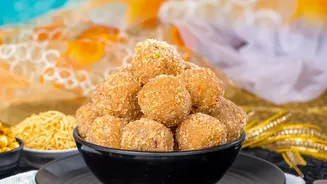
One of the most exciting aspects of this trend is the fusion of familiar Indian flavours with international dessert formats. Mithai is no longer just a standalone sweet; it's becoming an ingredient. Sweet shops and home bakers are creating delights like Gajar Halwa tarts, Kheer-filled sushi rolls, and Chocolate-Barfi bark. Even traditional sweets are getting a makeover, with healthier alternatives using jaggery, dates, or millets, and flavour infusions like coffee, blueberry, or hazelnut finding their way into laddoos and barfis. The result is a dessert that feels both celebratory and sophisticated.
Pairing the Unpaired
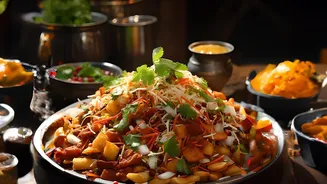
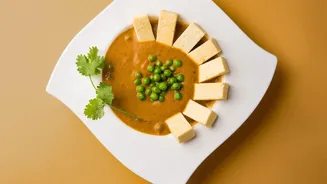
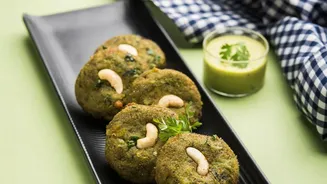
The innovation isn't limited to sweets. The headline's promise of looking 'beyond traditional pairings' is unfolding in fascinating ways. Savoury dishes are being presented with unexpected accompaniments, like Reshmi Kebab served with a cheese fondue or Kulia Chaat with refined, modern sauces. The line between courses is also blurring. Chefs are creating dishes like Achari Paneer Tikka bakes and Kashmiri Rogan Josh Shepherd's Pie, merging the robust spices of India with classic Western comfort food formats. Even beverages are part of the experiment, with suggestions to pair traditional sweets like Jalebi or Gajar Ka Halwa with mild beers to create a harmonious contrast of flavours.
Tradition Evolved, Not Replaced
This trend is not about abandoning the comforting embrace of a traditional festive meal. Rather, it reflects a growing confidence in Indian culinary identity—an identity that is secure enough to play, experiment, and evolve. It acknowledges that while classic recipes are cherished, there is always room for a new interpretation. Food bloggers are instrumental in this, reviving interest in regional heritage while also pushing the boundaries of fusion cuisine. This shift allows festive food to keep culture alive in a changing world, blending nostalgia with a dash of the unexpected.