

The End of the Straight Line
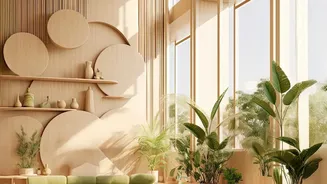
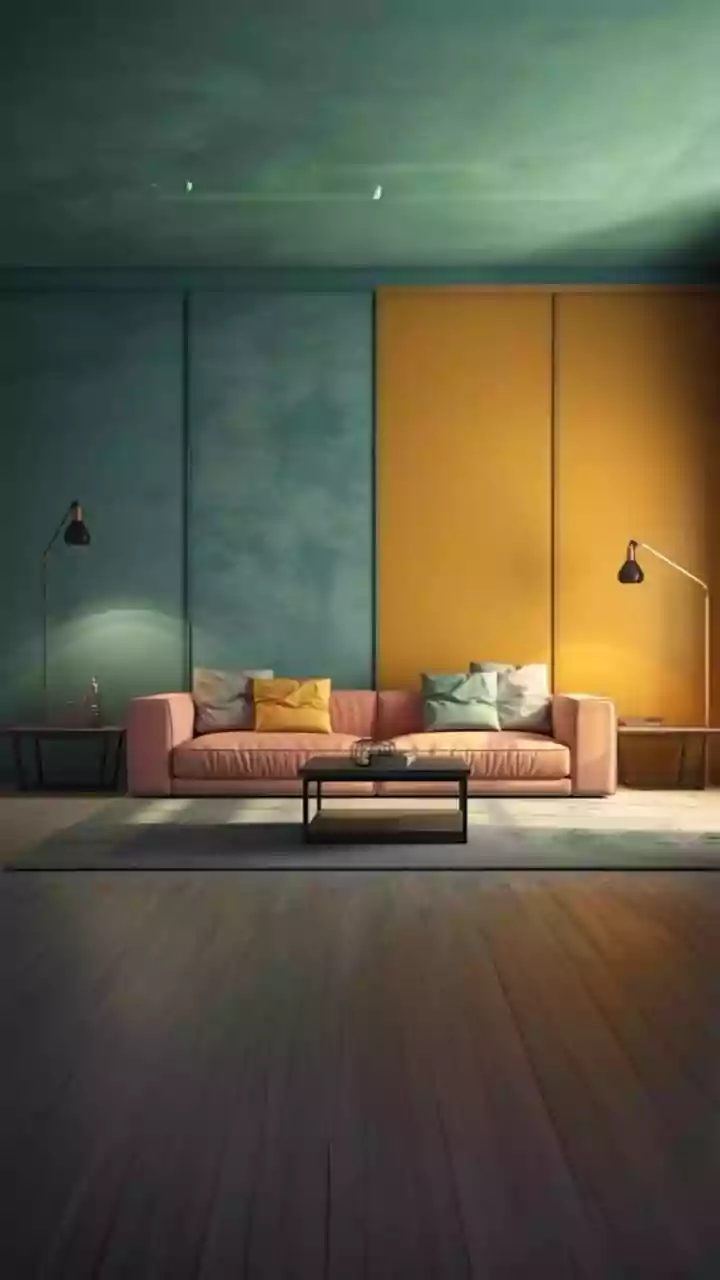
For years, modern interiors were defined by their geometry: rectangular sofas, square coffee tables, and sharp-cornered consoles. But a fundamental change is underway. Homeowners and designers are moving away from this rigidity and embracing curves, arches,
and fluid forms. This isn’t just a passing fad; it represents a deeper desire for comfort and a connection to nature in our living spaces. After a period where homes also had to function as offices and schools, there is a strong pull towards creating environments that feel enveloping and serene. The boxy, formal living room is being replaced by spaces that invite you to relax and linger.
The Psychological Power of Curves
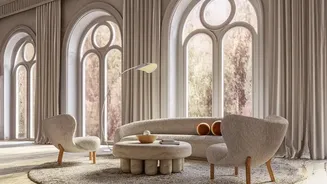
There’s a scientific reason why this shift feels so good. Studies in neuroscience show that the human brain is wired to prefer curved shapes over angular ones. Sharp corners can subconsciously trigger a mild threat response in the brain, a remnant of an evolutionary instinct to avoid pointed objects like thorns or shards. Curves, on the other hand, are perceived as safe, welcoming, and calming. They mimic forms found in nature—rolling hills, flowing rivers, and waves—which our brains associate with safety and tranquility. A room with rounded furniture and arched doorways can enhance positive emotions, making a space feel more sociable and relaxing. It’s a design choice that nurtures well-being from a neurological level.
A Symphony of Natural Materials
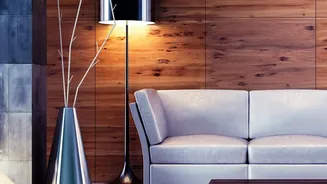
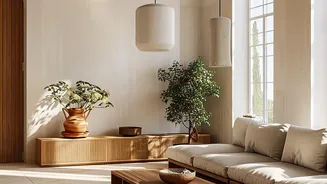
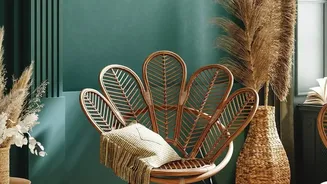
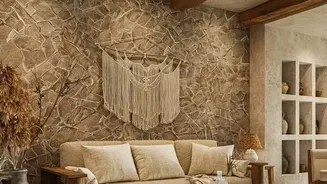
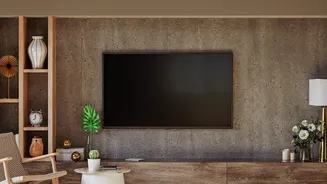
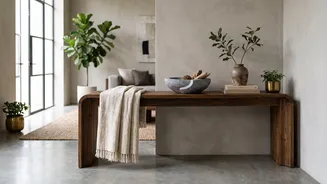
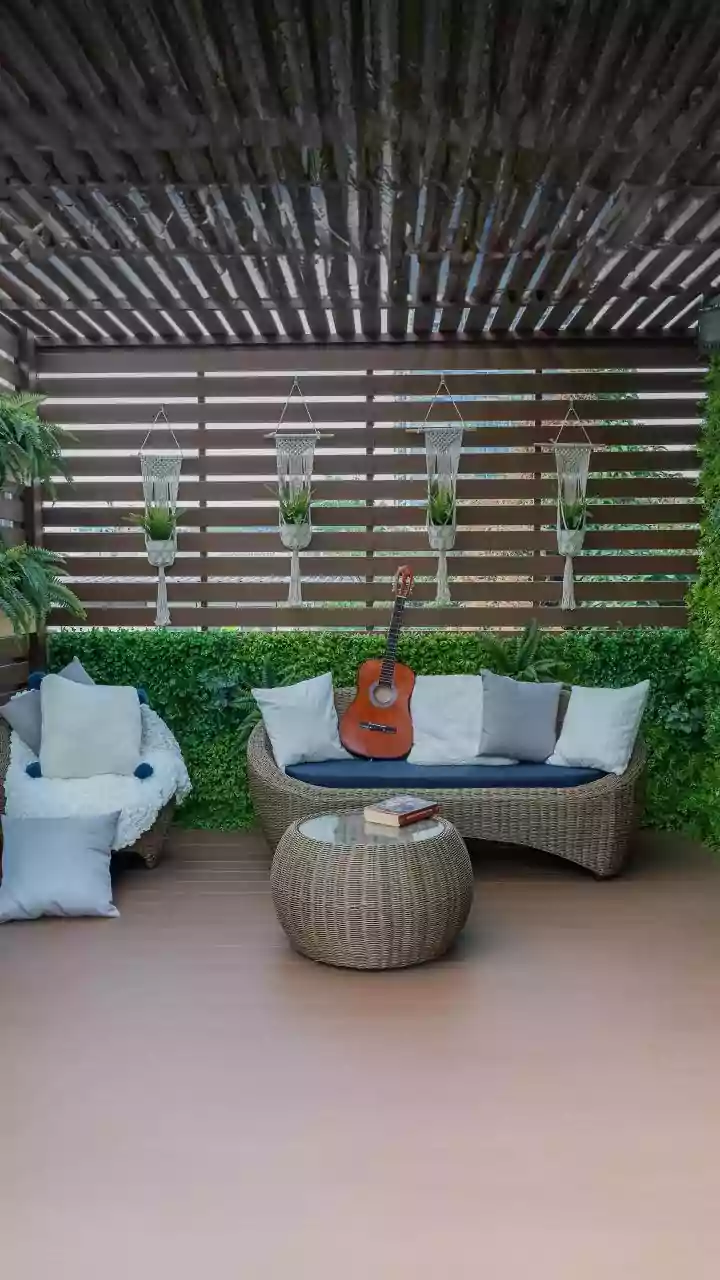
This move towards organic shapes is perfectly complemented by a renewed appreciation for natural materials. Wood, stone, and clay are becoming central to the Indian home's material palette, chosen for their texture, warmth, and timeless appeal. Wood brings a sense of grounding and character, whether it’s through reclaimed teak furniture that carries a story or lighter cane and rattan pieces that add a touch of handcrafted elegance. Stone flooring like Kota or Jaisalmer, and even stone-clad accent walls, provide a cooling effect suited to the Indian climate while adding a feeling of permanence. These materials are not just beautiful; they improve with age, developing a unique patina that reflects the life lived around them.
The Soft Embrace of Textiles
The final layer in this sensory-rich approach is the generous use of soft textiles. In rooms dominated by hard surfaces like tile floors and plastered walls, fabrics are essential for adding warmth, absorbing sound, and providing comfort. Think of nubby, handloom cotton cushions, soft woollen rugs, and light linen curtains that diffuse sunlight beautifully. Layering different textures is key to creating a rich, inviting space. A smooth leather sofa can be softened with a collection of block-printed and embroidered cushions, while a simple jute rug can ground an entire room with its earthy texture. These textiles, especially those rooted in India’s rich craft traditions like Ikat or Kalamkari, add a final touch of personality and soul.
Bringing the Look Home
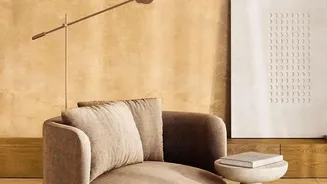
Incorporating this trend doesn’t require a complete overhaul. You can start small. Swap a rectangular coffee table for a round or oval one to immediately improve the flow of your living room. Introduce a single piece of curved furniture, like a sculptural armchair or a sofa with soft, rounded edges, to break up the monotony of straight lines. Focus on layering textures: add a cosy throw to your sofa, mix and match cushion covers in different materials, and place a textured rug underfoot. The goal is to create a balanced space where organic shapes and natural materials work together to build a home that is not just stylish, but a true sanctuary.