








A New Dawn for an Ancient Practice
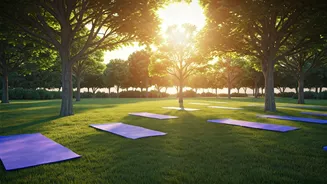
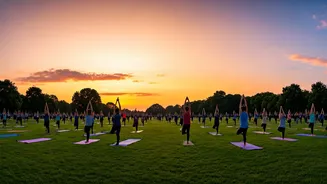
From Lodhi Garden in Delhi to Cubbon Park in Bengaluru, the picture was remarkably consistent. As the sun rose on June 21st, thousands of young Indians transformed public green spaces into sprawling open-air yoga studios. This wasn't the formal, state-led
event alone; this was organic. Groups of college students, young professionals, and even teenagers gathered, not out of obligation, but with genuine enthusiasm. The air was filled with the quiet instructions of a lead practitioner, the soft thud of mats being unrolled, and a collective sense of purpose. The visuals told a story of modern India embracing an ancient tradition on its own terms: yoga pants paired with kurtas, Bluetooth speakers playing calming mantras, and post-session selfies capturing the moment for social media. It was clear this was more than just an annual ritual; it was a cultural phenomenon in motion.
Beyond the Asana: What's Driving the Trend?
So, what's behind this youthful surge in a practice often associated with an older generation or spiritual gurus? The answer is multifaceted. A primary driver is the post-pandemic global wellness movement. Young Indians are more health-conscious than ever, seeking holistic approaches to manage stress, anxiety, and the pressures of a fast-paced life. Yoga, with its dual focus on physical fitness and mental clarity, is a perfect fit. It offers a tangible way to disconnect from screens and reconnect with one's body. Furthermore, the practice has shed its once-intimidating image. It's no longer seen as something reserved for the deeply spiritual or the hyper-flexible. Instead, it’s being marketed and perceived as a cool, accessible form of self-care, a trend amplified by countless wellness influencers and celebrities on platforms like Instagram and YouTube.
Not Your Grandfather's Yoga
Crucially, this generation is redefining what yoga means to them. They are unbundling it from rigid dogma and integrating it into their modern lifestyles. This isn't necessarily the contemplative, silent yoga of yore. Today’s popular forms include high-energy Power Yoga, athletic Vinyasa flows set to pop music, and partner-based AcroYoga that looks spectacular on a social feed. The park gatherings reflect this shift. They are social events as much as wellness sessions. The goal isn't just to perfect a headstand but to do it alongside friends, to be part of a community, and to share the experience. This reframing makes the practice more approachable and sustainable for a demographic that values experience and community over rigid tradition.
From Niche to National Pride
The government's consistent promotion of International Yoga Day has undoubtedly played a role in elevating its status. By successfully lobbying the UN to declare June 21st as International Yoga Day and framing yoga as a key element of India's cultural heritage and soft power, the practice has been imbued with a sense of national pride. For many young people, participating in Yoga Day is a way to connect with their roots in a way that feels contemporary and globally relevant. It's a celebration of an Indian export that has conquered the world. This sense of collective identity, of participating in something bigger than oneself, adds a powerful layer of motivation that goes beyond simple physical fitness.