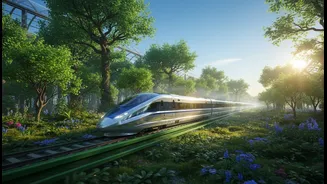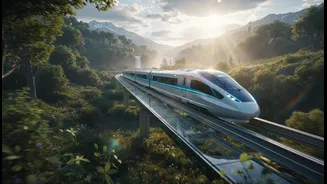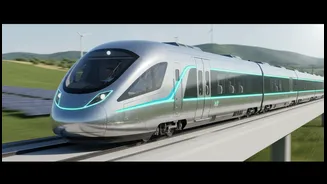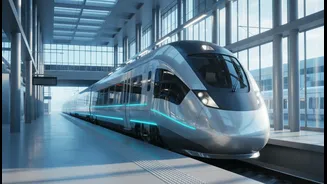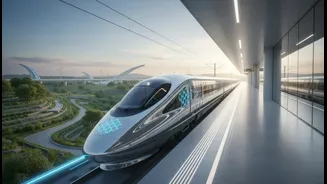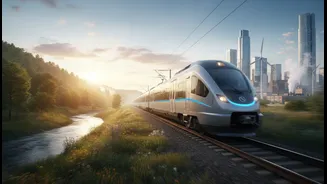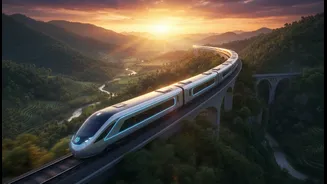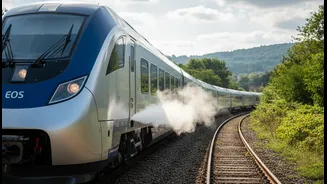





What Exactly Is a Hydrogen Train?
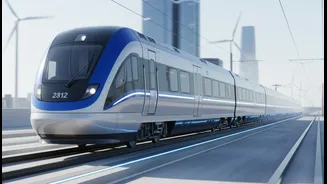
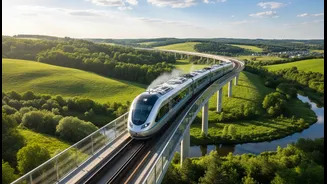
A hydrogen train is essentially an electric train that generates its own power onboard. Instead of drawing electricity from overhead lines, it uses hydrogen fuel cells. In these cells, hydrogen stored in tanks reacts with oxygen from the air. This electrochemical
process creates electricity to power the train's motors, with the only byproduct being water vapour and heat. This means no smoke, no carbon dioxide, and significantly less noise compared to traditional diesel engines that are still common on many routes.
India's Landmark Green Initiative
India is preparing to launch its first-ever hydrogen-powered train on July 17, 2026. Prime Minister Narendra Modi is expected to inaugurate the service, which will initially run on the Jind-Sonipat route in Haryana. This launch is a major milestone for the 'Make in India' initiative and the country's Green Transport Mission. After extensive trials, the train is set to begin commercial operations shortly after its inauguration, running two daily round trips. Built at an estimated cost of around Rs 89 crore, this pilot project is a cornerstone of Indian Railways' ambitious goal to become a 'Net Zero' emission network by 2030.
A Faster, Cleaner, and Cheaper Ride
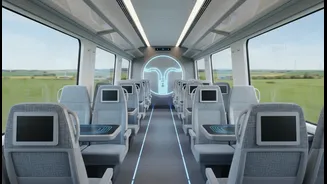
For passengers, the new service promises significant improvements. The train is expected to cut the travel time between Jind and Sonipat, a nearly 90-kilometre journey, to just one hour, down from the two hours it currently takes with the existing diesel service. Despite the advanced technology, fares are being kept remarkably affordable, with ticket prices projected to range from just Rs 5 to Rs 25. The 10-coach train has a seating capacity of 682 and can carry a total of around 2,600 passengers, making it a fast, cost-effective, and environmentally friendly travel option.
The Technology Under the Hood
The indigenously developed train is a retrofitted Diesel Electric Multiple Unit (DEMU). It is equipped with a powerful 1,200-kilowatt hydrogen fuel cell propulsion system in each of its two driving cars. While designed for a maximum speed of 110 kmph, it will operate at 75 kmph on the pilot route. To support this, a dedicated hydrogen storage and refuelling facility has been established in Jind. Safety is a top priority, with the train featuring multiple hydrogen cylinders, leakage detectors, and modern control systems, all validated by international safety auditors.
Challenges on the Path to a Hydrogen Future
While the launch is a monumental step, scaling up hydrogen rail across India presents challenges. The initial costs of developing the trains and building the necessary refuelling infrastructure are high. Furthermore, the sustainability of these trains depends on the source of the hydrogen. 'Green' hydrogen, produced using renewable energy, is the ideal, but scaling its production to meet future demand is a significant hurdle. There is also competition from other green technologies, like battery-electric trains, which may be more suitable for certain routes.
The Broader Vision for Indian Railways
The Jind-Sonipat route is just the beginning. The success of this pilot will inform the future rollout of more hydrogen trains. Indian Railways has identified several other routes, particularly heritage and hill railways like the Kalka-Shimla line, where electrification is difficult and costly. The 'Hydrogen for Heritage' programme aims to replace diesel locomotives on these scenic routes, preserving their charm while eliminating pollution. This initiative positions India among a select group of nations, including Germany and China, that are pioneering hydrogen rail technology.