





The Invisible Problem in Our Homes
It’s a common misconception that air pollution is an outdoor-only issue. In reality, the air inside our homes, offices, and schools can be two to five times more polluted than the air outside. This pollution comes from a surprising number of everyday
sources. In India, this includes everything from cooking fumes and the burning of incense sticks to chemicals released from cleaning products, paints, and new furniture. These pollutants, known as Volatile Organic Compounds (VOCs) and Particulate Matter (PM2.5), linger in the air we breathe, creating a complex cocktail of contaminants that can affect our health over time, contributing to respiratory issues, allergies, and even cardiovascular problems. Modern energy-efficient buildings can sometimes worsen the problem by being so well-sealed that pollutants get trapped inside.
Why One Solution Is Not Enough
The latest scientific understanding moves away from the idea of a single 'magic bullet' for clean air. For years, the default solution was often to buy an air purifier and assume the job was done. However, recent evidence and expert consensus highlight that different pollutants require different solutions. For example, a HEPA filter in an air purifier is excellent at trapping tiny particles like dust, pollen, and PM2.5 from smoke. But it does little to remove gaseous pollutants like VOCs from paint or formaldehyde from furniture. Those require activated carbon filters. Furthermore, no filter can address high levels of carbon dioxide from our own breathing, which can lead to stuffiness and affect cognitive function. This growing body of evidence makes it clear: to truly clean the air, you need a strategy, not just a product.
Pillar 1: Control Pollutants at the Source
The most effective and often most cost-efficient way to improve indoor air quality is to stop pollutants from entering the air in the first place. This is known as source control. Think of it as turning off the tap instead of just mopping up the floor. Simple actions can make a huge difference. Use an exhaust fan or open a window every time you cook to vent fumes outside. Choose low-VOC or zero-VOC paints, furnishings, and cleaning products when possible. Avoid smoking indoors, as it is a major source of indoor pollution. Reducing the use of chemical air fresheners and strong-smelling incense can also significantly cut down on the chemical load in your home's air. By controlling these sources, you reduce the overall burden on any other system you have in place.
Pillar 2: Ventilate to Dilute and Remove
After source control, ventilation is the next critical step. Ventilation is the process of replacing stale, polluted indoor air with fresh outdoor air. This dilutes the concentration of any contaminants that have built up inside. In its simplest form, this means opening windows and doors. However, in many Indian cities where outdoor air quality is also a concern, this needs to be done strategically. It's best to ventilate when outdoor air quality index (AQI) levels are at their lowest, often in the early morning or after it rains. Using exhaust fans in kitchens and bathrooms is another crucial form of ventilation, as it actively pulls polluted air out of the home. Without adequate ventilation, pollutants accumulate, and even the best air purifier has to work much harder to clean the air.
Pillar 3: Clean the Air with Filtration
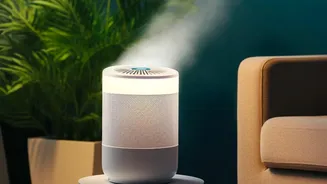
The final piece of the puzzle is air cleaning and filtration. This is where devices like air purifiers play their important, but supplementary, role. Once you have minimized sources and ensured proper ventilation, an air cleaner can handle the remaining pollutants. For a comprehensive solution, look for purifiers with a multi-stage filtration system: a pre-filter for large dust, a HEPA filter for fine particulate matter (PM2.5), and an activated carbon filter for gases, odours, and VOCs. This combination tackles the wide range of pollutants found in a typical home. Remember, filtration is the final layer of defence. It works best when it doesn't have to fight an uphill battle against constant new pollution and stagnant air.