


The Small-Space Dilemma
When you have limited square footage, every item you own competes for space. The natural impulse can be to fill every corner to make it feel 'lived-in', but this often backfires. Cluttered environments can contribute to stress and make a small space feel even
smaller. The visual noise from too many small items creates a sense of chaos, not comfort. The goal is to move from a mindset of filling space to one of curating it. By being intentional with your choices, you create a home that feels calm, open, and organized.
The 'Fewer, Better' Philosophy
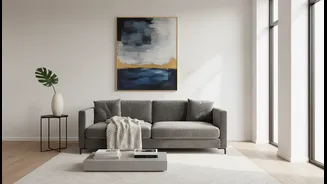
Adopting a minimalist-inspired approach isn't about having a bare, cold apartment; it's about making each piece count. Investing in fewer, higher-quality items has multiple benefits. Firstly, it elevates the entire space. One exceptional sofa or a single, large piece of art makes a stronger statement than a room full of smaller, less impactful things. Secondly, it promotes a more sustainable and mindful way of living. By choosing durable, timeless pieces, you reduce waste and create a home that reflects your personal style, not just passing trends. This philosophy encourages you to think like a curator, selecting only items that are either beautiful, functional, or both.
Anchor the Room with a Statement Piece
Instead of filling a room with many small decorations, choose one or two larger items to act as a focal point. This could be a large piece of artwork, an oversized sculptural vase, or a beautifully crafted rug. A single statement piece draws the eye, adds personality, and can make the room feel more grounded and intentional. This approach works because it avoids visual clutter; the eye has a clear place to rest, which creates a sense of calm and order. Even in a neutral room, a single bold item can provide all the drama and interest you need.
Invest in Multi-Functional Furniture
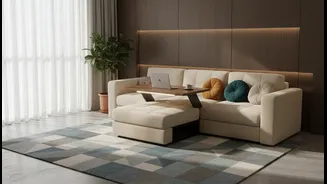
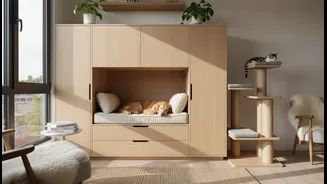
In a small Indian home, furniture that serves more than one purpose is not just a clever trick—it's a necessity. Think of a sofa that converts into a bed, an ottoman with hidden storage, or an extendable dining table that can be compact for daily use and expanded for guests. These pieces are the workhorses of a small flat. A bed with hydraulic storage can replace the need for an extra cupboard, freeing up valuable floor space. A slim console table can act as a workspace, a display surface, or an entryway organiser without blocking walkways. Choosing smart, adaptable furniture allows you to maximize functionality without sacrificing style.
Choose Quality Over Quantity
The 'better' part of the advice is about investing in quality. This doesn't necessarily mean expensive, but it does mean well-made, durable, and thoughtfully designed. A single, well-crafted wooden side table has more presence and longevity than several flimsy, mass-produced ones. When you focus on quality, you naturally buy less. You become more selective, waiting to find the perfect piece rather than buying something just to fill a space. This investment-piece philosophy argues for buying one exceptional item that you love, which will bring you joy and serve you well for years to come.
Let There Be Light (and Mirrors)
Good lighting and reflective surfaces are crucial in a small apartment. Maximise natural light by using sheer curtains instead of heavy drapes. Strategically placed lamps can create layers of light, making the room feel warmer and more inviting. To create an illusion of depth and space, use mirrors. A large mirror placed opposite a window can make a room feel brighter and more open by reflecting light and the view. Even furniture with reflective surfaces, like a glass coffee table or a metallic console, can help bounce light around the room.