








From Trial-and-Error to AI-Powered Precision
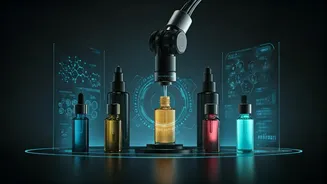
For decades, cosmetic formulation was a meticulous, often slow, process of trial and error. Scientists would test countless ingredient combinations to find a stable, effective formula. Today, generative AI and machine learning are compressing those timelines
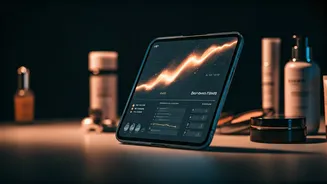
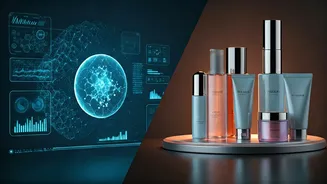
dramatically. These intelligent systems can analyze massive datasets of chemical compounds, predict how ingredients will interact, and even simulate their effect on digital models of human skin. This allows researchers to “fail fast” in a virtual environment, identifying promising formulations and weeding out duds before they ever reach a physical lab, saving significant time and resources. Major companies like L'Oréal are already partnering with tech giants to leverage AI, accelerating ingredient discovery and ensuring product stability and safety.
The Rise of Hyper-Personalization
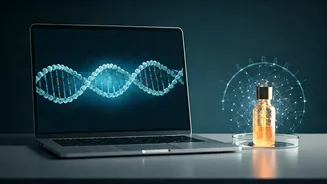
The one-size-fits-all approach to skincare is quickly becoming obsolete. Consumers now expect products tailored to their unique needs, and technology is making that possible on a mass scale. The most significant leap is happening at the intersection of artificial intelligence and genetic analysis. Companies can now use a simple DNA test (often a saliva swab) to analyze genetic markers related to skin elasticity, collagen breakdown, pigmentation risk, and sensitivity. An AI algorithm then processes this genetic data, alongside lifestyle factors gathered from questionnaires and even photos, to recommend or create bespoke product formulations. This moves skincare from being reactive to proactive, addressing predispositions before they become visible concerns.
Your Skin's Digital Twin
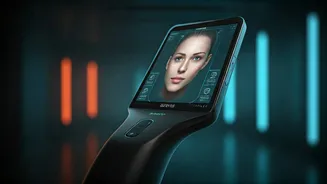
Beyond genetics, advanced diagnostics are providing a real-time snapshot of skin health. AI-powered tools, often accessible via a smartphone app, can analyze a user-submitted selfie to assess everything from fine lines and pore size to hydration levels and redness. Platforms like Haut.AI and those developed by major brands can track skin over time, offering dynamic recommendations that adapt to changes caused by environment, stress, or seasons. Some companies are developing 'digital human skin models' that simulate biochemical interactions and physiological responses to stressors, further refining preclinical testing and reducing the need for traditional methods. It’s a shift from personalized to truly *responsive* skincare, where your routine adapts to your life in real time.
Generative AI: The New Creative Partner
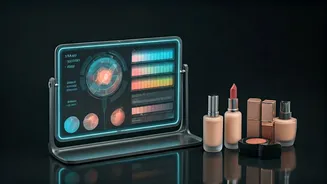
Generative AI is not just a tool for analysis; it's also becoming a creative force in the lab. R&D teams can input parameters like desired texture, target concerns, and sustainability goals, and the AI can generate an array of novel ingredient combinations or formulation ideas. It can sift through millions of natural compounds to predict their biological activity, helping to discover new, effective botanicals. This capability also extends to trend forecasting. By analyzing social media discussions, search queries, and purchasing patterns, AI can identify in-demand ingredients and consumer preferences, allowing brands to stay relevant and responsive. This agility is critical in an industry where trends can change almost overnight.
The Challenges on the Digital Frontier
This tech-led revolution is not without its hurdles. One of the primary concerns is data privacy, especially when dealing with sensitive genetic information. Brands must ensure consumer data is securely stored and handled ethically. There is also the risk of AI models reinforcing narrow beauty standards if their training data lacks diversity. Furthermore, the cost and accessibility of hyper-personalized solutions remain a barrier for many. While some lab-grown ingredients and 3D-printed products offer sustainable alternatives, integrating these complex technologies into a seamless and affordable consumer experience is an ongoing challenge for the industry. Success will depend on building trust through transparency and ensuring these powerful tools are used responsibly.