


Meet NASA's Next Great Observatory
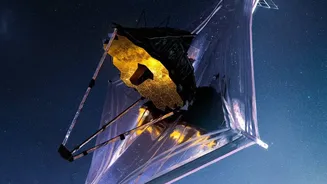
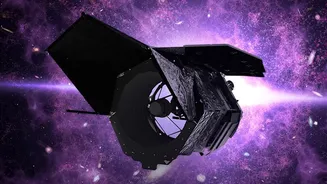
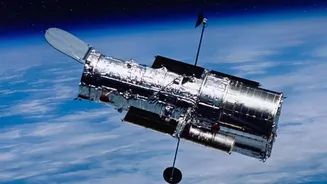
Set to launch by late 2026 or early 2027, the Nancy Grace Roman Space Telescope is NASA's next flagship mission, joining the ranks of Hubble and the James Webb Space Telescope. With a 2.4-meter primary mirror, the same size as Hubble's, Roman is engineered
not for narrow, deep dives into single points of interest, but for breathtakingly wide surveys of the sky. Its purpose is to address some of the biggest questions in cosmology by gathering data on a massive scale, observing billions of stars and millions of galaxies. This powerful new tool will help scientists investigate the mysteries of dark energy and dark matter, and conduct a massive census of planets beyond our solar system.
A View 200 Times Wider Than Hubble
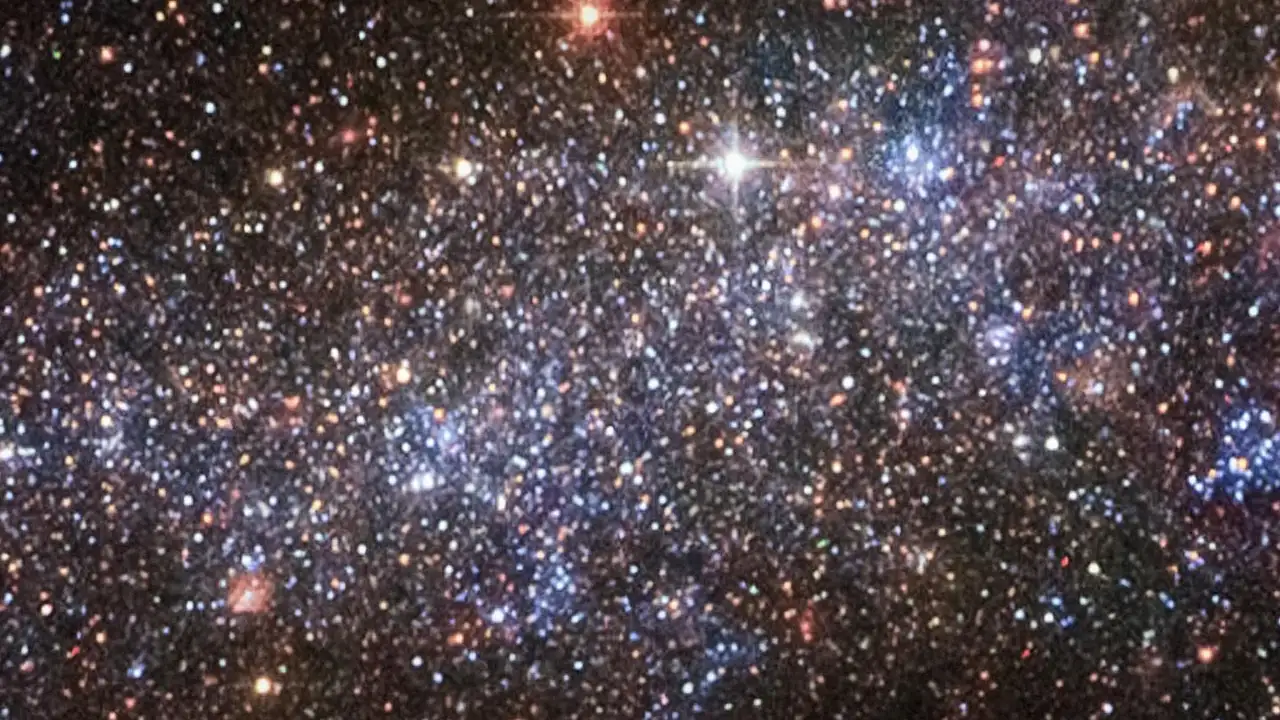
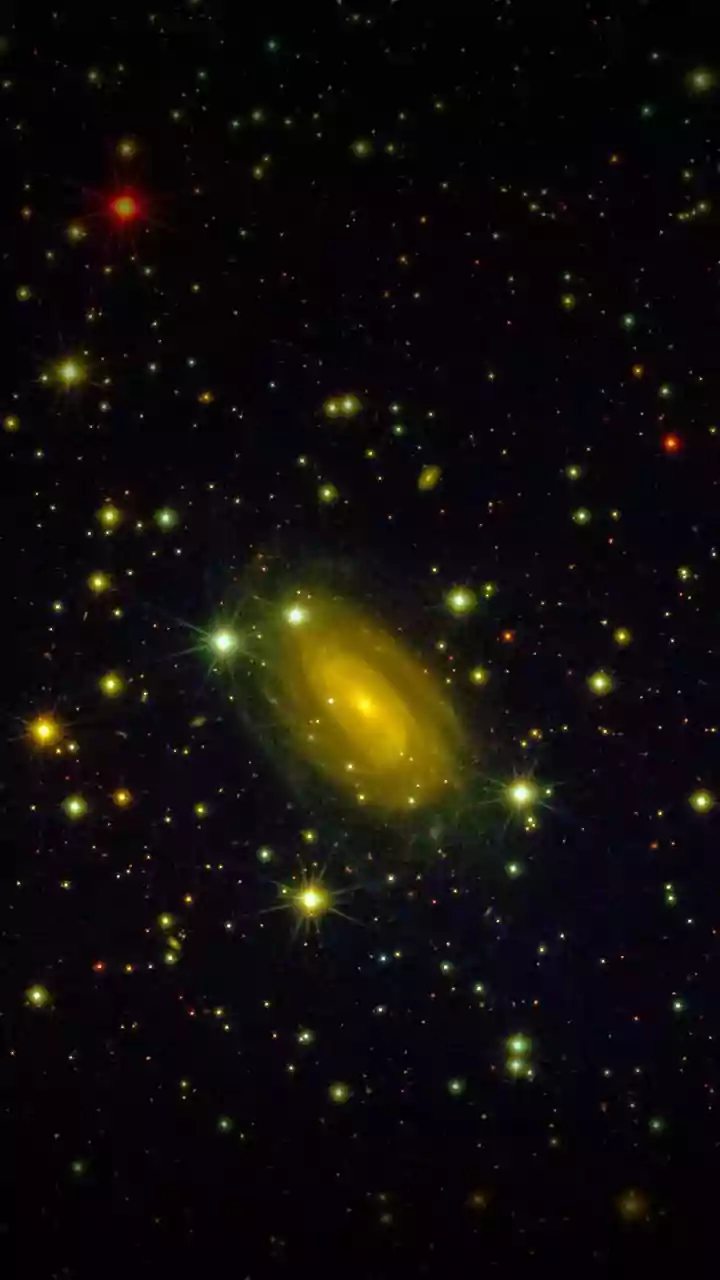
Roman's primary advantage is its colossal field of view. Its Wide Field Instrument (WFI) will be able to capture an area of the sky more than 100 to 200 times larger than Hubble can in a single snapshot, all while maintaining a similar sharpness and sensitivity in the infrared spectrum. To put that in perspective, where Hubble's iconic Ultra-Deep Field image revealed thousands of galaxies in a tiny patch of sky over hundreds of hours, Roman could capture a similarly deep image containing millions of galaxies in a fraction of the time. This survey speed will allow Roman to build enormous cosmic maps far more efficiently than any observatory before it, creating vast panoramas of the universe's structure.
Solving the Mystery of Dark Energy
One of Roman's key missions is to tackle the puzzle of dark energy, the enigmatic force causing the expansion of the universe to accelerate. To do this, Roman will conduct the High Latitude Wide Area Survey, a massive program that will map the 3D positions of hundreds of millions of galaxies and detect thousands of distant supernovae. By measuring how galaxies are clustered together and how their light has been bent by gravity over cosmic history—a technique called weak gravitational lensing—scientists can trace the influence of dark energy and dark matter. This massive dataset will provide the most precise measurements yet of how the universe's expansion has changed over time, helping to determine if dark energy is a constant force or something that has evolved.
A Galactic Planet Census
Beyond cosmology, Roman is poised to revolutionize the search for exoplanets. While missions like Kepler were adept at finding planets orbiting very close to their stars, Roman will specialize in finding worlds farther out, from their star's habitable zone to the icy outer reaches of planetary systems. It will do this using a technique called gravitational microlensing. When a star and its planets pass in front of a more distant star, their combined gravity acts as a lens, momentarily magnifying the background starlight. By monitoring hundreds of millions of stars toward the center of our galaxy, Roman is expected to discover thousands of new exoplanets, including Earth-sized worlds and even rogue planets that drift through space without a host star.
More Than a Mapmaker
In addition to its two primary surveys, Roman will also function as a general-purpose observatory, enabling a wide range of astrophysical investigations. Scientists will use its powerful infrared vision to study everything from the birth of new stars to the supermassive black holes lurking at the centers of distant galaxies. It will also pioneer new technology with its Coronagraph Instrument, a device designed to block the overwhelming glare from a star to directly image the planets orbiting it. This instrument is a crucial technology demonstration for future missions that aim to one day study the atmospheres of Earth-like planets for signs of life.