






Why Mumbai Remains Vulnerable
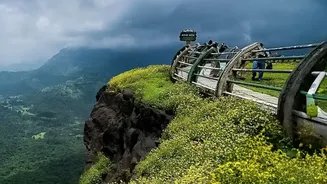
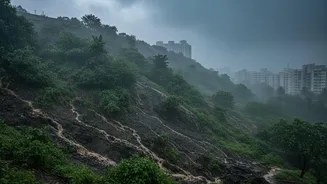
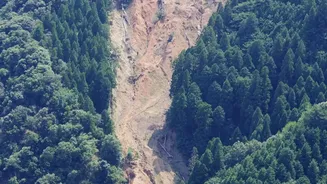
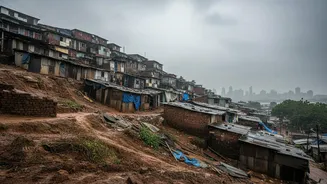
Mumbai's vulnerability to landslides is a mix of natural topography and urban pressures. The city is dotted with hillocks and slopes composed of jointed rock and loose soil, many of which were disturbed by quarrying activities in the past. During the monsoon,
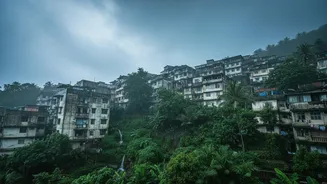
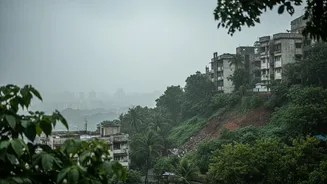
intense and prolonged rainfall saturates this soil, drastically increasing its weight and reducing the natural friction that holds it in place. This combination makes these slopes dangerously unstable. Compounding the natural risk are the dense informal settlements that often crowd the base and edges of these hills. Many of these structures are built in areas deemed unsafe, placing thousands of lives in the direct path of potential debris flows. The Geological Survey of India (GSI) has noted that factors like water seeping into rock fractures and pressure from tree roots can further weaken the slopes over time.
Identifying the High-Risk Zones
The Brihanmumbai Municipal Corporation (BMC) has identified approximately 249 landslide-prone locations across the city based on surveys, including those by the GSI. Certain areas bear a significantly higher risk. The Vikhroli-Bhandup belt is considered the most vulnerable, containing 152 of these sites and housing nearly 50,000 people. Other critical hotspots include Kurla, particularly the infamous Hill No. 3, as well as parts of Ghatkopar, Chembur, and even some locations in the affluent Malabar Hill area. Of these identified spots, dozens have been classified by the GSI as 'highly vulnerable' or 'most dangerous', indicating a severe threat to life and property. Official estimates state that over one lakh residents, across roughly 22,500 families, reside within these precarious zones.
Recognise the Early Warning Signs
Vigilance can be lifesaving. Landslides often provide subtle clues before they occur. Residents in hilly areas should watch for any new cracks appearing in the ground, on paved streets, or in home foundations, plaster, and tile. Other physical signs include doors or windows that suddenly begin to stick, outside walls or stairs pulling away from the building, and the appearance of bulging ground at the bottom of a slope. Pay close attention to trees, fences, and utility poles; if they begin to tilt, it signals ground movement. Water is another key indicator. Be alert for new springs, seeps, or unusually saturated ground. A sudden increase, decrease, or muddying of water in local streams can also signal an upstream disturbance. Finally, listen for unusual sounds like a faint rumbling that gets louder, or the sound of trees cracking and boulders knocking together.
A Resident's Monsoon Safety Plan
Preparation is paramount. Every household in a risk zone should have an emergency kit with essentials like a torch, first-aid supplies, dry food, and water. Discuss and establish a clear family evacuation plan, so everyone knows where to go and how to contact each other if separated. Sign up for your community's warning systems to receive timely alerts. During periods of heavy, continuous rain, stay alert, especially at night when many landslides occur. If authorities issue an evacuation notice, leave immediately. If you find yourself in the path of a landslide, move away from it as fast as possible, ideally to the side and towards higher ground. If you are indoors and cannot escape, do not run outside. Instead, take cover under a sturdy piece of furniture like a heavy table or desk, curl into a tight ball, and protect your head.
What the Authorities Are Doing
The BMC undertakes several measures before and during the monsoon. These include issuing notices to residents in the most dangerous areas, urging them to relocate temporarily, and setting up shelters in civic schools and community halls for emergencies. A key long-term strategy, based on GSI recommendations, is the construction of retaining walls to stabilize slopes. However, progress has been inconsistent, with hundreds of mitigation projects remaining incomplete. Following recent fatal landslides, the BMC has also announced plans for a post-monsoon drive to clear encroachments from the most vulnerable points. While these efforts are ongoing, the complex issues of jurisdiction, funding, and resident relocation continue to pose significant challenges to ensuring city-wide safety.