








The Monsoon-Kitchen Connection
In India, the link between rainfall and food prices is fundamental and deeply ingrained in the economy. The Southwest monsoon, which delivers about 75% of the country's annual rainfall, is the lifeblood of its agricultural sector. A significant portion
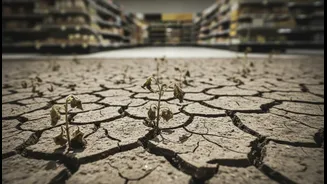
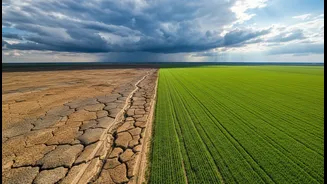
of India's farmland is rain-fed, meaning it depends directly on the monsoon for irrigation. The Kharif season, which coincides with the monsoon, accounts for roughly half of India's annual food grain production. When the monsoon is timely and well-distributed, it leads to bumper harvests, ensuring a steady supply of food items. This abundance helps keep prices stable. Conversely, a weak or erratic monsoon can lead to lower crop yields, creating supply shortages that drive up food prices for everyone.
What to Watch in the Weather Report
When tracking the monsoon's impact, it's not just about the total amount of rain. Consumers should pay attention to two key factors: timing and distribution. A delay in the monsoon's onset can disrupt the sowing schedule for critical Kharif crops. Furthermore, distribution is just as important as volume. National rainfall averages can be misleading if rain is not falling in the primary agricultural belts. As of early July 2026, the monsoon's performance has been uneven, with recent activity helping to reduce a large deficit from June, but overall sowing remains behind last year's levels. The India Meteorological Department (IMD) has forecast below-normal rainfall for July 2026, which could increase stress on agriculture.
The Foods Most at Risk
Not all food prices react the same way to rainfall. Perishable items and crops with limited irrigation are the most vulnerable. Vegetables like onions and tomatoes, along with various leafy greens, often see sharp price fluctuations due to supply disruptions caused by irregular rain. As of early July 2026, wholesale onion prices have seen a steep increase, reflecting tight supplies. Pulses (dal) and oilseeds are also highly dependent on monsoon rains. A poor monsoon can affect the production of key pulses like tur, urad, and moong, putting upward pressure on prices. While government buffer stocks of staples like rice and wheat offer some protection, perishable and rain-fed crops remain a major concern for household budgets.
From Wholesale to Your Wallet
The journey from a rainfall deficit to a higher grocery bill involves a clear chain of events. Lower crop production on the farm leads to reduced arrivals in wholesale markets (mandis). With less supply available, wholesale prices rise. These increased costs are then passed down through the supply chain, from distributors to local retailers, and ultimately, to you, the consumer. This is why market experts and even the Reserve Bank of India (RBI) closely monitor the monsoon's progress. A weak monsoon is flagged as a significant risk to inflation, as rising food prices can impact the entire economy.
How to Be an Informed Consumer
You don't need to become a meteorologist, but paying attention to monsoon headlines can help you anticipate price trends. Look for reports on rainfall distribution in key agricultural states, not just the national average. Track news about the progress of Kharif sowing for major crops like pulses, rice, and oilseeds; a significant lag compared to previous years is a red flag. Knowing that a dry spell might affect tomato or onion supplies in the coming weeks can help you budget accordingly or adjust your purchasing strategy, perhaps by opting for more stable items like potatoes, which have seen steadier prices. By understanding these signals, you can move from being a passive price-taker to a proactive and informed consumer.