






Prevention Is the Best Protection
The best way to handle a downpour is to be ready before the first drop falls. Before you even start the car, invest in a dedicated, high-quality waterproof backpack or a hard-shell case for your most valuable electronics. Many modern camera backpacks
come with built-in rain covers, which are fantastic, but for a true monsoon-level downpour, a fully waterproof bag offers superior peace of mind. For an extra layer of security, consider waterproof sleeves for laptops or individual dry bags within your main luggage. You can also pre-pack several large ziplock bags or even simple plastic garbage bags in your car's glove compartment; in a pinch, they can be lifesavers.
Strategic In-Car Storage
Where you keep your gear inside the car matters immensely. Avoid leaving your electronics bag on the floor, which is the first place water will pool if there's a leak or if you open the door in a storm. Instead, keep your tech bag on a seat, securely buckled in if possible, or in a raised area of the boot. A great habit is to designate a 'tech zone' in your car that is away from windows and doors. Also, consider the ambient humidity; a car left in the sun and then rapidly cooled can create condensation. A few silica gel packets tossed into your camera or laptop bag can help absorb excess moisture from the air, preventing internal fogging and dampness before it becomes a problem.
When You’re Caught in the Open
Sometimes the rain hits when you’re away from the car, perhaps on a short hike or at a viewpoint. This is where a small, foldable poncho or even a large plastic bag can save your gear. If you don't have a waterproof bag, your priority is to shield the device. Huddle over your backpack, turning your body into a shield against the rain. If your backpack isn't waterproof, swing it around to your front to keep it under your rain jacket. The goal is to get to shelter immediately, but without panicking and tripping. If you’re carrying a camera, a dedicated rain cover for your specific camera model is a worthy investment for any serious photographer.
Immediate Action During a Downpour
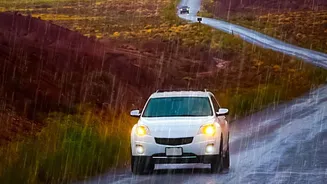
The moment heavy rain starts while you’re driving, your focus should be safety first—pull over when it's safe to do so. Once parked, quickly do a check. Are all windows fully rolled up? Are any bags or items partially sticking out of a door? If you have to get out of the car to move gear from the roof rack to the inside, do it as quickly as possible. Have a towel ready just inside the door to wipe down any wet bags before bringing them fully into the dry cabin. This simple step prevents dripping water all over your car's interior and other belongings. This is also the time to use those emergency plastic bags to double-wrap any bags that aren't fully waterproof.
Damage Control: What If It Gets Wet?
If the worst happens and your laptop or camera gets wet, do not turn it on to see if it still works. This is the most common and damaging mistake, as it can cause an immediate short circuit. First, immediately power down the device, unplug any peripherals, and remove the battery and memory card. Use a dry, absorbent cloth to gently wipe all exterior surfaces. Do not use a hairdryer or compressed air, as this can force water deeper into the device's components. Once you have a chance, place the device and its removed battery in a sealed container with several silica gel packets or, in an emergency, uncooked rice. Leave it there for at least 48 hours to allow the desiccant to draw out the internal moisture before you even think about attempting to power it on.